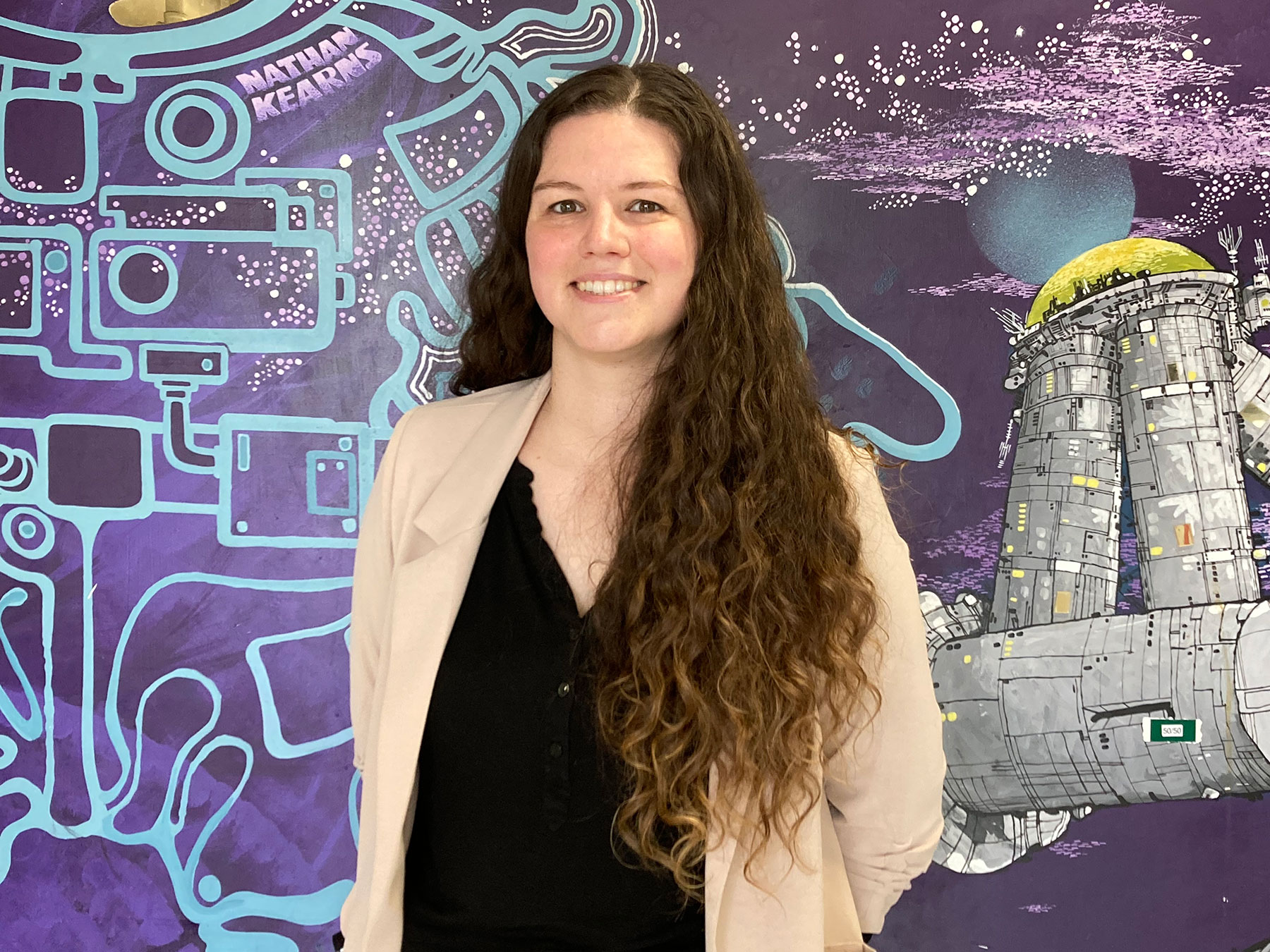
The research that Dr Alisa Boucsein is leading in the Department of Paediatrics & Child Health at the Dunedin School of Medicine, University of Otago has already produced life-changing outcomes for people with Type 1 diabetes.
Alisa came to the University of Otago as a visiting PhD student from Germany in 2015,with her doctorate in Physiology focused on obesity and Type 2 diabetes. Having been diagnosed with Type 1 diabetes when she was 13, Alisa had always hoped to move intot his field of research.
“When I was diagnosed with Type 1 diabetes as a child in Germany, the therapy options were very limited. Having to inject insulin manually every time I wanted to eat was extremely challenging, particularly as a teenager”, Alisa recalls.
Knowing these challenges first-hand, Alisa jumped at the opportunity to join Prof Ben Wheeler and his team. An early project tested automated insulin delivery systems in children with Type 1 diabetes. The results, Alisa says, were striking.
“The data showed huge improvements in health, with an additional 8.5 hours per day spent in the healthy blood sugar range. This meant less stress and anxiety for children and their families, and a marked increase in quality of life”.
Building on this success, the Otago Medical Research Foundation awarded Alisa an Annual Grant in 2024, which focused on Māori and Pasifika adults using a smart insulin pump. This device automatically adjusts insulin doses, reducing the daily burden of injections.
The results showed that when Māori and Pasifika adults are given equitable access to advanced diabetes technology, the benefits are dramatic, lasting and life-changing.
Alisa values the close relationships built with participants over the course of these studies and is excited to continue this research. She is also optimistic about the future: as pump technology advances, fully automated systems are on the horizon.
“It is incredibly rewarding to see people benefit and to receive such positive feedback. It’s estimated that people with Type 1 diabetes make around 180 extra decisions everyday compared with those without the condition-from what to eat, to how much insulin to take. This technology can ease that constant mental load, giving people more freedom and better health.”
(Profile written 2025)