
Summer Research Scholarships
Summer Research Scholarships are currently $7,000 for a ten-week project to take place over the summer break. These scholarships are competitive, with many more students applying than it is possible to fund. The applications are assessed by the Foundation’s Scientific Committee so only the very best are chosen.
The application process is managed by the University of Otago’s Health Sciences Divisional Office.
Applications for the 2026/27 Summer Research Scholarship Programme have now closed.
Applications closed on Thursday, 13 August 2026 (5:00pm).
See this year's successful recipients below. We sincerely thank all the donors who have enabled us to support 20 summer research scholarships this year! All donors are acknowledged with each student below.
(Please note the photos of the students are interim photos, and will be replaced with professional photos taken in early 2027.)
For details of how to apply, please see the University of Otago OMRF Summer Scholarships page, or take a look at the Information Handbook link on the University's Summer Research Frequently Asked Questions page.
For further details contact:
Dr Manon Knapen,
Division of Health Sciences Administration
summer.research.scholarship@otago.ac.nz
Previous Summer Research Scholarships awarded (last 10 years)
Funder: Professor Ailsa Goulding
Abdul Obaidullah
Project: The effect of treating rectal cancer with radiotherapy and chemotherapy on cancer outcomes and bowel function
Supervisor: Assoc Prof Mark Thompson-Fawcett, Department of Surgery & Critical Care, Faculty of Medicine - Dunedin
Amidst the rapidly evolving therapeutic landscape for the management of locally advanced rectal cancer treatment, high-quality evidence pertaining to the perioperative and clinical pathways for total neoadjuvant therapy (TNT) is needed. Total neoadjuvant therapy (TNT) refers to the application of therapeutic courses of chemotherapy and chemoradiotherapy upfront, pre-surgery. Traditional treatment may have involved preoperative chemoradiotherapy, surgery and possibly chemotherapy post-operatively. Adjuvant therapy (which is post-surgical cancer treatments) can be poorly tolerated or cause complications which suggests TNT may be better.
Recent clinical trials have shown TNT enables a complete clinical response in 50% of patients, allowing them to avoid surgery that removes the rectum. This reduces the risk of bowel and urinary and sexual dysfunction, stoma formation and major postoperative complications.
This study will be the first of its kind to locally evaluate TNT since its introduction to Te Whatu Ora Southern in 2022. Patient characteristics and outcomes will be analysed including incidence and severity of low anterior resection syndrome (LARS), a multitude of bowel symptoms including changes in bowel frequency, urgency and incontinence.
Patients who have a major LARS will be referred for nuclear medicine 23-seleno-25-homotaurocholic acid (SeHCAT) testing for bile acid malabsorption (BAM). BAM may be the main cause for major LARS after TNT without surgery, but this has not previously been assessed. This is a particularly meaningful area of research because in cases where BAM causes LARS, there is the possibility of using specific treatments such as bile acid sequestrants to address bowel dysfunction.
Funder: University of Otago McGillivray Brothers Legacy
Ailah Taring
Project: How does stress impact weight gain in females?
Supervisor: Dr Bridget Barraclough, Department of Physiology, Faculty of Biomedical Sciences
Obesity is a leading cause of health decline and premature death. Chronic stress is a well- recognised contributing factor to obesity through its disruptions of metabolic functions. However, the specific mechanism underlying how stress causes weight gain remains unknown. Furthermore, past research investigating stress and obesity has predominantly focused on males, obscuring the effects and underlying processes in females. Preliminary findings from the Kim laboratory demonstrate that chronic activation of stress neurons can lead to increased bodyweight in male mice, providing the first evidence of a neural substrate linking stress and weight gain. However, whether activation of the stress neurons produces similar effects females remain unknown. Therefore, the aim of this project is to investigate the relationship between chronic activation of stress neurons and metabolic changes in female mice. It is hypothesised that chronic stress neuron activation will also induce weight gain in female. This research can determine whether the neural mechanisms underlying stress induced obesity are conserved between sexes or exhibit sex-specific differences. Understanding these sex-specific mechanisms is critical for the development of effective obesity therapeutics, as drugs developed primarily from male-biased preclinical research may not produce equivalent metabolic responses in females. This project will lay the foundations to future research that may help inform the development of treatments that are more effective and appropriately tailored across sexes.
Funder: Marion and Tony Rhodes Memorial Scholarship
Charlotte Light

Project: Can chemotherapy increase the cellular recycling machines in intestinal gastric cancer
Supervisor: Dr Silke Neumann, Department of Pathology and Molecular Medicine, Faculty of Medicine - Dunedin
Gastric cancer, or stomach cancer, occurs when a tumour grows within the stomach. Different types of gastric cancer can be identified by how the cancer cells look under a microscope, with the most common being diffuse gastric cancer and intestinal gastric cancer. Diffuse gastric cancer typically occurs at a younger age, while intestinal gastric cancer presents later in life. The treatment for both types of gastric cancer involves the same chemotherapy drugs.
New evidence has identified two genes that are associated with better survival in intestinal gastric cancer. In contrast, these genes are associated with poorer survival in diffuse gastric cancer. This research will investigate how chemotherapy treatment changes the expression of these genes in intestinal gastric cancer cells. This information may help identify which chemotherapy drugs are most effective for intestinal gastric cancer cells and whether chemotherapy can increase the expression of the genes of interest.
Funder: Marsh Family Charitable Trust
Eliza East
Project: Does what you eat before pregnancy affect fertility hormones?
Supervisor: Assoc Prof Mike Garratt, Department of Anatomy, Faculty of Biomedical Sciences
We know a lot about how diet affects pregnancy once it’s underway, but almost nothing about how diet in the weeks before conception shapes a woman’s chances of conceiving in the first place. This project tests whether the balance of protein and carbohydrate eaten before conception changes key reproductive hormones and ovarian function, using a mouse model. I’m approaching this from an optimisation and prevention angle, not a clinical fix-it one - the goal isn’t treating infertility once it’s already a problem, but understanding what gives a woman’s body the best possible starting point going in. What does “optimal” pre-conception nutrition look like, before anything’s gone wrong? This sits at an intersection that’s still surprisingly under-explored - most research looks at diet, or hormones, or fertility outcomes in isolation, rather than how they interact in this specific window.
Findings from this project could eventually help shape pre-conception nutrition guidance for women planning pregnancy.
Funder: United Machinists
Emily Andrews

Project: Investigating the killing range and genetic aspects of staphylococcin Y, a new proteinaceous antibiotic produced by Staphylococcus aureus
Supervisors: Assoc Prof Nicholas Heng, Department of Oral Sciences, Faculty of Dentistry
At the present time, new antibiotics are needed to combat the worldwide scourge of antibiotic resistance development in disease-causing microbes. Our project focuses on a group of common human bacteria, the staphylococci, notably Staphylococcus aureus, which produce a variety of antimicrobials called bacteriocins. Bacteriocins are proteins that can kill or prevent the growth of other microbes, usually bacterial species that are similar to the producer.
This project will investigate a newly-identified bacteriocin called staphylococcin Y, which is produced by S. aureus strain YAS1 (originally found in the mouth of a University of Otago dental student). Preliminary research suggests that staphylococcin Y prevents the growth of many different species of mouth and skin bacteria.
This study will expand the research by investigating the potency (killing range) of staphylococcin Y using agar plate tests against a wide range of bacteria that we have in our lab collection, including important disease-causing bacteria such as those associated with dental decay and foodborne illness. This project will also investigate the genes which specify the production of staphylococcin Y by using special molecular techniques to knock them out. So far, we think five genes are involved in this process. Furthermore, there are two other genes that might be involved in protecting strain YAS1 from being killed by its own bacteriocin. Understanding what species staphylococcin Y kills and how it is made will be valuable information in developing new antibiotic treatments in the future.
Funders: Estate of Frances Kenney Miles
and Division of Health Sciences
Genevieve Blackburn

Project: Understanding How Genes Influence Breast Cancer Risk
Supervisor: Associate Professor Anita Dunbier, Department of Biochemistry, Faculty of Biomedical Sciences
Breast cancer is a highly prevalent form of cancer in Aotearoa, with around 3,500 diagnosed annually. Wahine Māori with breast cancer experience markedly higher mortality rates than European women, displaying the need for development in how treatment and identification is approached. Inherited genes can contribute to development of cancer; however, many cancers occur without linkage to already known cancer-causing genes. The APOBEC3A/B gene has been identified as a potential gene of interest. In normal function, the gene edits DNA and RNA. When mutated, APOBEC can be associated with increased likelihood of incidence of breast cancer and other cancers. APOBEC related cancers display a high rate of mutation; however, these highly mutated tumours may respond well to immune-based treatments. Indigenous communities are often under-represented in studies of these cancer-causing genes, but in Māori and Pasifika, the ABOBEC variation occurs at a very high frequency compared to European and Asian women. Development of different therapies is important to advancing treatment of breast cancers, but there is a gap in knowledge of the exact impact of the APOBEC mutation in Māori and Polynesian populations. This project aims to investigate how APOBEC3A/B variants impact development of breast cancers and how to most effectively treat cancers caused by this variant in a clinical setting. In this project we will compare cancers and laboratory models with and without the APOBEC variation and look for differences in the patterns of genetic changes found in tumours.
Funder: MM & JH Hughes Family Trust
Grier Buchanan
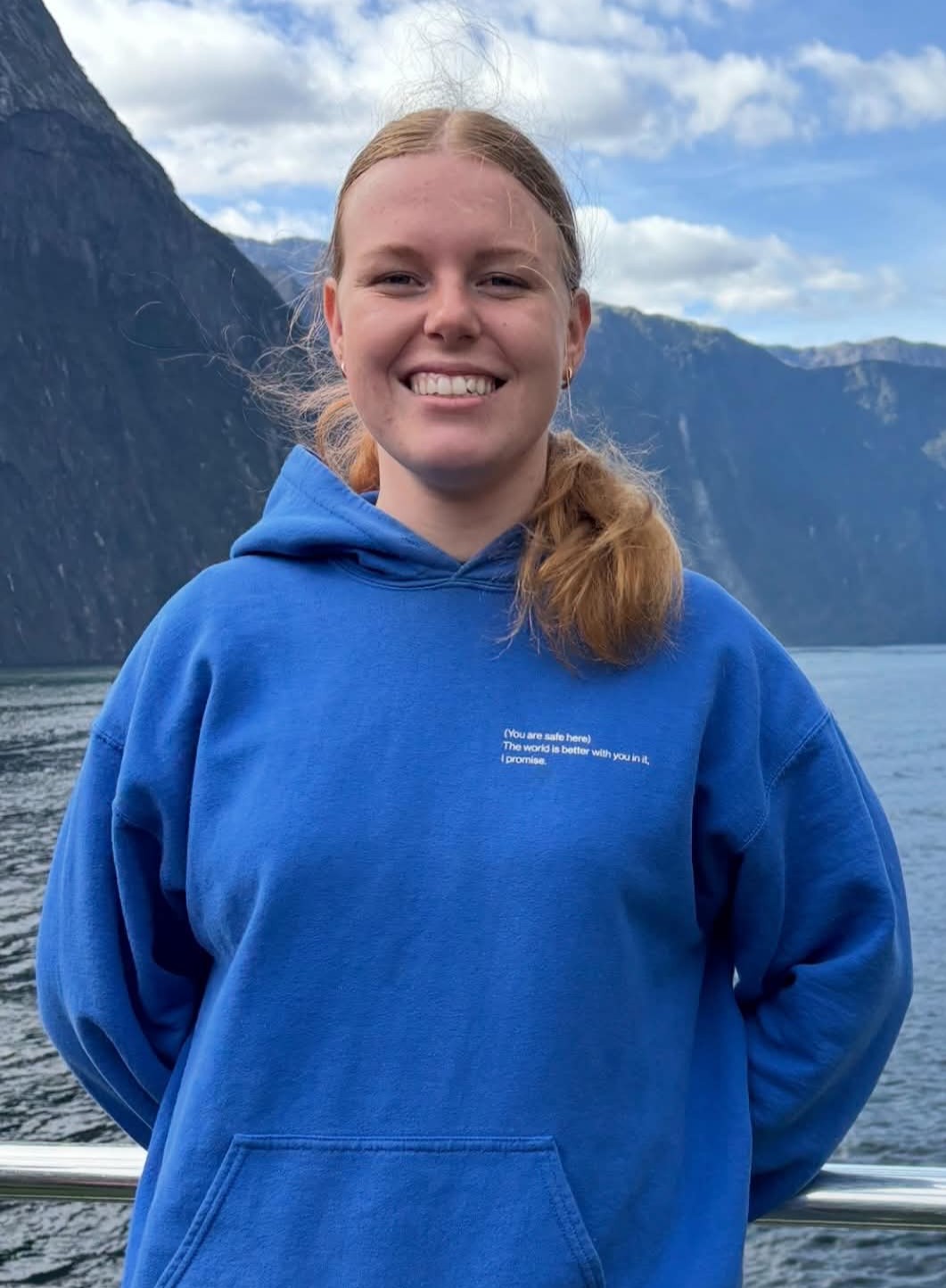
Project: Improving CAR-T Cells Recognition of Cancer Cells with AI-Designed Proteins
Supervisor: Prof Peter Mace, Department of Biochemistry, Faculty of Biomedical Sciences
T cells are part of the body's immune system, identifying and destroying abnormal cells. Scientists can genetically alter T cells to display chimeric antigen receptors (CARs) which are engineered proteins on the surface of T cells that recognise specific antigens or distinctive proteins found on the surface of target cells, such as blood cancer cells. These modified cells, called CAR-T cells, can bind more effectively to cancer cells, triggering an immune response that kills them. Current CAR receptors can be expensive, and difficult to adapt to new cancer types. This project aims to discover new recognition proteins that can bind to other cancer-specific targets, like an antigen called TACI.
New possible binding proteins will be designed using BindCraft, an artificial intelligence (AI)-based software. Bacteria will produce these AI-designed proteins, which will be purified and tested for their ability to bind TACI using yeast cells that have been genetically engineered to display TACI on their surface. This high-throughput approach allows many binders to be tested at once, making the most of the project's limited timeframe. The most promising binders will undergo further quality testing before being sent to the Malaghan Institute, to be tested in CAR-T cells, confirming they still function correctly in this dfferent setting.
Developing these new binding proteins will support the formation of more effective and specific CAR-T cell therapies, particularly for blood cancers that can evade current treatments, and in the future for solid cancers, where existing CAR-T cell therapy has so far been largely ineffective.
Funder: Deloitte Dunedin
Hoang Khanh Ngoc (Hoang) Bùi
Project: Understanding How EsxW May Help Beijing-Strain Tuberculosis Spread More Easily
Supervisor: Assoc Prof Htin Lin Aung, Department of Microbiology & Immunology, Faculty of Biomedical Sciences
Tuberculosis (TB) is a severe infectious disease that creates a global health burden and is caused by bacterium Mycobacterium tuberculosis (Mtb). Some strains of this bacterium are able to spread more successfully than others, however, the mechanisms behind this are still unclear. The Beijing strain of Mtb is particularly common in Vietnam and has been associated with more recent transmission, making it an important strain to study.
Previous research identified a variant in a protein called EsxW in the Beijing strain. This variant interestingly presents independently in some other Mtb strains that have successful transmission. Thus, this variant is believed to alter the function of EsxW and its interaction with other proteins, providing the bacteria with an advantage.
This project will use CRISPR interference (CRISPRi), a technique that reduces the activity of a specific gene, to silence the EsxW gene. By examining how reducing EsxW affects Mtb fitness, this study aims to determine whether EsxW contributes to the success of Mtb. It will also answer the question that whether the repeated appearance of this EsxW variant is simply coincidental or truly does something with the bacterial pathogenicity.
Understanding how EsxW contributes to Mtb fitness might provide a new insight into why some strains spread more successfully. Therefore, it could be a step closer to the goal of limiting Mtb transmission.
Funder: Aotearoa Gaming Trust
Jada Keig
Project: Tracking inhibin staining patterns in mice ovaries to understand PMOS-related infertility
Supervisor: Dr Michael Pankhurst, Department of Anatomy, Faculty of Biomedical Sciences
Polyendocrine metabolic ovarian syndrome (PMOS), formerly known as polycystic ovarian syndrome, is a common hormone disorder affecting 10% of women of childbearing age. PMOS is a leading cause of infertility because it disrupts ovulation, preventing the ovaries from releasing healthy eggs. Inside the ovaries, eggs grow inside tiny fluid-filled sacs called follicles. To develop properly, follicles need an important hormone called Follicle-Stimulating Hormone (FSH). In PMOS patients, the follicles get stuck halfway through development because they lack proper FSH support which traps the immature eggs inside. Scientists believe an ovarian protein called inhibin may be responsible - it is inhibin’s normally blocks FSH release. If the ovaries produce too much inhibin, it may halt follicle growth entirely and stop ovulation (egg release).
Previously, progress was slow because scientists lacked animal models that accurately mirrored human PMOS. Recently, researchers developed a new mouse model that successfully replicates these “stuck” follicles. In this project, researchers will use stored tissue samples from these mice and apply special staining techniques to map how much inhibin is being made.
This work is very important because we must identify exactly what is going wrong biologically before effective treatments can be created. By uncovering the role inhibin has in causing follicles to be stuck, this study aims to solve a valuable piece of the PMOS puzzle. This research brings science one crucial step closer to developing new, specific treatments that can offer hope and potentially improved fertility outcomes for millions of affected women worldwide.
Funder: Aotearoa Gaming Trust
Kenzie McKay

Project: Beyond age 75: risk adapted faecal immunochemical testing (FIT) and colonoscopy thresholds for colorectal cancer surveillance after resection
Supervisor: Dr Deborah Wright, Department of Surgery and Critical Care, Faculty of Medicine - Dunedin
Colorectal cancer (CRC) is one of the most common cancers in Aotearoa. After treatment, patients have follow-up colonoscopies to look to identify and remove new bowel polyps to prevent another cancer. However, routine colonoscopy surveillance often stops at age 75 because the possible benefits may be reduced by other health conditions and a shorter life expectancy. This means healthy older adults no longer receive follow-up that could prevent a new cancer developing.
This study will investigate metachronous CRC, which means a new colorectal cancer that develops after a person has previously been treated for CRC. Previous work focused on patients who underwent surgery for a second CRC. By adding Cancer Registry data, this project will identify a broader group of patients whose metachronous cancer was not treated with surgery. We will compare patients aged 75 years and older with those under 75. We will examine their prior surveillance, how the new cancer was detected, its stage, and treatment approach. Where recorded, we will record documented reasons why curative surgery was not undertaken. Using additional data looking at colonoscopy surveillance, FIT and elderly patient health outcomes different models for trying to prevent patients 75 years and older from developing CRC will be assessed.
Funders: Evan & Carolyn Matheson
Lucia Scott
Project: Developing a light-activated pro-drug to improve blood perfusionvasodilating drug to restore blood flow after stroke
Supervisor: Prof Ivan Sammut, School of Pharmacy and Pharmacology, Health Professional Programmes
Ischaemic strokes occur when a blood clot blocks an artery in the brain, cutting off oxygen and causing rapid death of the surrounding brain tissue. Fast, targeted treatment is critical, but current therapeutics often affect the whole body rather than targeting the blockage, causing side effects and sometimes even redirecting blood away from the injured brain.
One promising treatment is nitric oxide (NO), a naturally produced gas that widens blood vessels, restoring blood flow and allowing oxygen to return to the affected area. NO, however, breaks down within seconds and existing delivery methods spread it throughout the body, limiting its usefulness for stroke treatment. Otago researchers have developed a "smart" nanoparticle that releases NO when triggered by light, allowing precise, localised delivery. This project aims to test whether this nanoparticle can be safely used to treat ischaemic strokes caused by occluded blood vessels. By activating the nanoparticle with light directly at the site of a thrombus, we hope to widen the collateral blood vessels locally and restore oxygen flow to starved brain tissue, without the side effects of current treatments.
Before this technology can be tested in stroke patients, we need to ensure that activating the nanoparticle with light doesn't damage surrounding healthy brain tissue. This project will identify safe, non-toxic conditions for releasing NO from the nanoparticle, allowing a promising concept to develop into a viable therapeutic candidate.
Funder: Aotearoa Gaming Trust
Matt Bruce-Jones
Project: Heat and hold: How hot baths and exercise affect blood pressure
Supervisor: Dr Brendon Roxburgh, School of Physical Education, Division of Sciences
High blood pressure affects 31% of New Zealand adults and contributes to almost half of heart disease related deaths. However, high blood pressure can be reduced through many therapies allowing people to improve their lifestyle and reduce the risk of death. Regular hot water bathing and isometric exercise have been shown to improve heart health and reduce the risk of heart disease related death through lowering blood pressure. Isometric exercise is a sustained muscular contraction with no joint movement. Both are thought to lower blood pressure with enlargement of blood vessels and lowering of heart rate. We theorise that performing isometric exercise immediately after hot water bathing will show a larger reduction in blood pressure for the rest of the day compared to how water bathing alone.
The 10 participants in this study will complete 3 sessions: 1) 30-minute hot water bathing (40ºC), 2) 30-minute hot water bathing + post-bath isometric exercise, and 3) 30-minute seated no exposure. The isometric exercise will be 4 x 2-minute intervals of single hand sustained contraction at 30% maximum strength. Participant’s blood pressure, heart rate, core body temperature, and comfort before, during, and for 10 minutes after each exposure will be measured. Blood samples will be taken before and 24 hours after exposure. Automated blood pressure monitor, and accelerometer will be fitted and worn for 24 hours. Statistical analysis will be done to measure the difference between the 3 conditions to find significance.
Funder: Central Lakes Trust
Oliver (Ollie) Simcock Smith
Project: Emergency department services in the Central Otago Lakes Region: Utilisation and costs
Supervisor: Prof Garry Nixon, Centre for Rural Health, Faculty of Medicine - Dunedin
In previous years, research has been conducted that revealed that people in the Queenstown Lakes/Central Otago area had fewer people in hospital relative to their population compared to all other rural areas in the South Island, but when they were in hospital they had the longest stays. This suggests that hospital capacity in these areas is limited, and that this has consequences on the health of the population. However, further research is required to analyse how different Emergency Department (ED) care strategies impact equity, costs and the incentive for patients to travel elsewhere for treatment.
This research project is designed to find out about differences in equity of Emergency Department (ED) access and cost between different areas of the Queenstown-Lakes / Central Otago area. We can find this out by analysing data collected about how many ED visits people from a certain area had in a certain time, and the number of people in that geographical area to find out a value called the utilisation rate. With this value, and tracking it over time and between regions, we can find broader trends in which areas have the highest ED usage, and which areas do not. With the addition of dollar values, costings can be integrated into this analysis too. Additionally, data regarding the incentive for patients to travel elsewhere for treatment will be included.
Funder: Aotearoa Gaming Trust
Olivia Chapman
Project: Developing new tools to understand bacterial viruses and advance phage therapy
Supervisor: Prof Peter Fineran, Department of Microbiology & Immunology, Faculty of Biomedical Sciences
Bacteriophages, or phages, are viruses that specifically infect bacteria. They are abundant and have potential to be developed as a therapeutic alternative to antibiotics for treating bacterial infections. However, we have limited knowledge and understanding of what many phage genes do, which hinders their development as therapeutics. This means it is important to develop tools for studying these viruses.
The host laboratory recently developed a method called phage transposon sequencing (phage Tn-Seq), which allows the disruption of phage genes to determine which are important for phage survival. The current method relies on CRISPR-Cas, which must be uniquely adapted for each phage being studied. This project will contribute to the development of a simpler phage Tn-Seq method using a natural bacterial defence system called toxIN. As a non-specific toxin/ anti-toxin system, toxIN does not need to be redesigned for each new phage. However, toxIN is not effective against all phages, meaning identifying the phages it is effective against will be critical to the development of this method.
In this project I will test a diverse collection of phages to identify the range for which this method may be applicable and determine if the system can also be used to disrupt phage genes. Ultimately this project will help to optimise phage Tn-Seq to make it simpler and more broadly applicable. This will help us gain a better understanding of phage genetics and potentially advance the development of bacteriophages as antibiotic alternatives.
Funders: ACE Shacklock Charitable Trust and Aotearoa Gaming Trust
Oshadha Perera

Project: What is the role of surveillance colonoscopy to prevent the development of a second colorectal cancer after the age of 75?
Supervisor: Assoc Prof John Woodfield, Department of Surgery & Critical Care, Faculty of Medicine - Dunedin
New Zealand has one of the world’s highest colorectal cancer (CRC) rates. Metachronous CRC (MCRC) is a new CRC diagnosed > 6 months after the previous diagnosis. Screening colonoscopies for detecting CRC are only funded up to age 75 in New Zealand. However, people ≥ 75 years have a high MCRC rate. Previous research at Health New Zealand Southern found that around 13% of CRC surgeries for people ≥ 75 years were done for metachronous CRC. Since colonoscopies can help detect and to treat polyps before they develop into MCRC, these statistics suggest that funding colonoscopies for over 75-year-olds who have had previous colon surgery for CRC may be beneficial.
This research project will gather real patient data to answer questions about the utility of surveillance colonoscopies for MCRC detection in patients ≥ 75 years by:
(1) Determining the rate of MCRC in patients ≥ 75 years between 2023 and 2025.
(2) Analysing post-surgical colonoscopies of patients aged ≥ 65 years who have previously had surgery for CRC between 2015 and 2018. This will identify the proportion of patients with higher risk of metachronous CRC by assessing the number and risk profile of subsequent polyps.
Data for this research will be gathered from electronic clinical records and databases, including the Otago Clinical Audit. We believe that the findings will enable assessment of the utility of surveillance colonoscopies for preventing MCRC in patients who are above the age threshold for publicly funded colonoscopies, with a local focus on Otago and Southland.
Funder: Professor Ailsa Goulding
Rajat Chauhan
Project: Fully Automated Insulin Delivery in Young People with Type 1 Diabetes
Supervisor: Dr Alisa Boucsein, Department of Paediatrics and Child Health, Faculty of Medicine - Dunedin
Type 1 diabetes (T1D) is a lifelong condition where the body cannot produce insulin, meaning people living with T1D must carefully manage their blood glucose levels manually every day. This involves checking glucose levels, calculating food intake and adjusting insulin doses, which can place a significant burden, especially on young people with T1D and their whānau.
New advances in diabetes technology aim to reduce these daily challenges. Current automated insulin delivery (AID) systems, which consist of an insulin pump, a sensor that continuously measures glucose levels, and a computer algorithm, can automatically adjust basal insulin delivery throughout the day, but users are still required to announce when they eat. This study will investigate a novel AID system that automatically provides insulin around mealtimes. This removes the need for users to announce meals and reduces the need for frequent manual adjustments. We will investigate the effects of this new AID system on blood glucose levels and treatment burden over 8 weeks in young people with T1D.
The findings from this research will provide important information about whether this technology can help make diabetes management easier, improve blood glucose levels, and support better long-term health outcomes for people living with T1D.
Funders: Evan & Carolyn Matheson
Sophia Still
.jpg)
Project: Mapping an anxiety neural pathway in the brain
Supervisor: Assoc Prof Karl Iremonger, Department of Physiology, Faculty of Biomedical Sciences
Anxiety disorders are the most common mental health condition worldwide, affecting one in five people in Aotearoa, and disproportionately impacting women. In order to develop more effective treatments, it is necessary to first understand how different regions of the brain interact to create the experience of anxiety. One region of the brain highly involved in processing anxiety is the Bed Nucleus of the Stria Terminalis (BNST), a region made up of many subdivisions, each of which can give rise to different, and often opposing anxiety effects. The BNST consists of many distinct populations of neurons, distinguished by the release of a variety of neurotransmitters and neuropeptides. One such neuropeptide is corticotropin-releasing hormone (CRH), which is
highly central to the modulation of stress responses in other regions of the brain. The role of neurons specifically in the BNST expressing CRH remains largely unknown. As the BNST differs between sexes, this project aims to characterize these CRH-expressing neurons in the BNST in both the male and female brain. Using fluorescent viral tracers and immunohistochemistry techniques, we will map and compare these neurons between the sexes in two
ways: first, by measuring the quantity and location of these neurons in the BNST, and second, by investigating the projections of these neurons to other brain regions. These findings will provide a more complete understanding of the role of the CRH neurons of the BNST in anxiety.
Funder: Healthcare Otago Charitable Trust
Thea Pacure

Project: Does chemotherapy alter cellular recycling machinery in diffuse gastric cancer?
Supervisor: Assoc Prof Sharon Pattison, Department of Pathology and Molecular Medicine, Faculty of Medicine – Dunedin
Stomach or Gastric cancer is a leading cause of cancer-related deaths worldwide. In Aotearoa, a particular type of stomach cancer called diffuse gastric cancer is more common in Māori and Pacific peoples. It is often more aggressive than other forms of the disease. Despite this, most patients receive the same chemotherapy treatment regardless of the type of stomach cancer they have.
Our research aims to better understand why diffuse gastric cancer responds differently to treatment. Previous work by the laboratory found two genes that appear to be linked to patient survival. However, it is not known yet whether commonly used chemotherapy drugs affect how these genes behave.
In my project, stomach cancer cells grown in the laboratory will be treated with several chemotherapy drugs currently used to treat patients. We will then measure whether these drugs change the activity of the two genes and the proteins they make. Understanding these changes may provide information about why some patients respond poorly to treatment. This research could improve understanding diffuse gastric cancer and help identify new ways to personalise treatment in the future. Ultimately, it contributes to a bigger goal of making more effective therapies for patients, particularly Māori and Pacific communities who are disproportionately affected by this form of stomach cancer.
Funder: Healthcare Otago Charitable Trust
Thomas Doyle

Project: Identifying vulnerable amino acids pathways in antibiotic-resistant tuberculosis
Supervisor: Dr Matthew McNeil, Department of Biochemistry, Faculty of Biomedical Sciences
Tuberculosis is the world's most deadly infectious disease, caused by the infection of the lungs by Mycobacterium tuberculosis. M. tuberculosis needs to be able to make proteins in order to survive. Clinicians can use specific antibiotics like rifampicin that bind to the machinery that is necessary to ‘read' DNA instructions for proteins, to kill the bacterial cells. However, M. tuberculosis has evolved a mutation that causes rifampicin to be no longer able to bind this essential machinery, meaning they cannot be treated via rifampicin. This mutation has specific drawbacks, which can be identified via silencing all the genes in the M. tuberculosis genome one at a time and comparing how losing a particular gene affects growth. Previous research has identified that antibiotic resistant strains are more affected by the loss of genes needed to create amino acids (the building blocks of proteins), than antibiotic susceptible strains.
This project aims to leverage the information from this screen to identify which amino acid synthesis genes are most vulnerable in antibiotic resistant strains. This will allow researchers to develop therapeutics that target these amino acids specifically, allowing us to use the bacteria's mutation against them.
Funder: Central Lakes Trust
William (Will) Stevens
Project: Healthcare access for disabled people living in Central Otago
Supervisor: Prof Garry Nixon, Centre for Rural Health, Faculty of Medicine - Dunedin
We wish to examine the barriers to healthcare experienced by people living with disability in Central Otago.
Accessing healthcare can already be a difficult experience by many in the Central Otago region, especially regarding high travel times and cost associated with such distances. These costs are amplified in individuals who have more specific healthcare requirements, such as those with chronic health conditions or mobility problems. This study aims to examine what barriers they face compared to those faced by other residents, and strategies that these individuals devise to make accessing healthcare easier.
Funders: Evan and Carolyn Matheson
Andre Morice

Project: Exploring Calcium Channel Expression and Function in a Frontotemporal Dementia Mouse Model
Supervisors: Dr Owen Jones and Prof Cliff Abraham, Department of Psychology, Division of Sciences
Behavioural variant frontotemporal dementia (bvFTD) is often associated with Tau protein pathology. In PS19 mice expressing the human P301S Microtubule Associated Protein Tau mutation, prior work in the Jones laboratory identified aberrant L-type voltage-gated Ca2+ channel (L-VGCC) activity in the ventral hippocampus long before overt Tau aggregation. In this study, I investigated whether similar dysregulation occurs in the infralimbic (IL) and prelimbic (PL) regions of prefrontal cortex in PS19 mice by 8–9 months. Using immunofluorescence and voltage-clamp electrophysiology, L-VGCC expression and currents were examined in PS19 and wild-type mice. No significant differences were observed in expression of the L-VGCC subunit Cav1.2, or L-VGCC currents. Tau immunoreactivity was also comparable between genotypes, indicating minimal pathology. These findings suggest that L-VGCC abnormalities in the hippocampus are not mirrored in IL or PL at this age, highlighting potential regional differences in vulnerability to Tau-associated Ca2+ dysregulation. The results emphasize the need for subregion-specific analyses to understand bvFTD pathophysiology.
Funder: Professor Ailsa Goulding
Anne Puyat

Project: Role of Stress Neuron Activation on Aggressive Behaviours
Supervisor: Dr Joon Kim, Department of Physiology, Faculty of Biomedical Sciences
Aggression is an evolutionarily conserved social behaviour that can be both adaptive and maladaptive. Recent evidence suggests that stress-related dysregulation of the hypothalamic-pituitary-adrenal axis, driven by corticotropin-releasing hormone (CRH), may result in heightened aggression. This study aimed to investigate if CRH neuron activation could alter aggression in male mice. An excitatory designer receptor was placed exclusively in the PVN CRH neurons and chronically activated using deschloroclozapine. Aggression was assessed from continuous video recordings using automated detection and manual confirmation. No statistically significant changes to aggression parameters were observed initially but a significant increase in number of fights lost by the dominant male was observed following 2 days of neuron activation. This suggests that activation of PVN CRH neurons disrupted established social hierarchies and altered intermale aggression. By understanding the mechanistic link between stress circuitry and aggression, we can better inform the treatment of stress-related psychiatric disorders characterised by maladaptive aggression.
Funder: Aotearoa Gaming Trust
Audrey Zohrab

Project: Assessment of recombinase polymerase amplification as a point of care diagnostic tool for Staphylococcus aureus in low resource environments
Supervisor: Prof James Ussher, Department of Microbiology and Immunology, Faculty Biomedical Sciences
Recombinase polymerase amplification (RPA) is an emerging technology that amplifies DNA and allows for detection of pathogens. It has been applied to many contexts to fill gaps in point-of-care (POC) testing. This research aimed to look at if RPA could reliably detect the bacteria S. aureus using novel molecular target genes for S. aureus, identified by Kim et al. This research was conducted using the Thermofisher lyo-ready RPA kit, and results detected via gel electrophoresis. Through troubleshooting, we were able to successfully detect S. aureus DNA using this kit. We discovered the importance of product clean-up, which was a key difference compared to when working with PCR. However, we were unable to assess specificity and sensitivity due to timing and issues with consistency of results. This research contributes to an emerging field of POC diagnostics, and these findings may be useful for further studies using this RPA testing kit.
Funder: Healthcare Otago Charitable Trust
Bonnie Huang

Project: Discovering the proteins that interact with different forms of an antioxidant enzyme
Supervisor: Assoc Prof Liz Ledgerwood, Department of Biochemistry, Faculty of Biomedical Sciences
Elevated levels of reactive oxygen species (ROS) such as hydrogen peroxide (H2O2) can result in oxidative stress which is associated with many diseases. However, H2O2 plays many important roles within the cell such as in redox signalling and in the immune response. Peroxiredoxin 2 (Prdx2) is an antioxidant enzyme which has a major role in regulating H2O2 levels, thus protecting against oxidative stress. Prdx2 has been observed to transition between oligomeric states such as homodimers and decamers. There is extensive in vitro research, however, in vivo studies lacking due to experimental procedure limitations. Nanobodies are small molecules that can be designed to bind specifically to Prdx2, allowing for tracking of their activity in vivo. The aim of this project was to purify and characterise nanobodies that specifically bind to Prdx2 dimer. It was observed that two of the nanobodies were able to bind to Prdx2 but had relatively low expression.
Funder: Healthcare Otago Charitable Trust
Caleb Lopez-Sanchez

Project: Understanding the Experiences of People with Type 1 Diabetes Using Fully Automated Insulin Pumps
Supervisors: Prof Ben Wheeler and Dr Alisa Boucsein, Department of Paediatrics & Child Health, Faculty of Medicine - Dunedin
Background: While automated insulin delivery (AID) systems have improved type 1 diabetes management, commercial systems contribute to treatment burden through carbohydrate counting. This study evaluated user experiences, particularly children and young people, using a novel AID system featuring complete automation without carbohydrate counting.
Methods: Semi-structured interviews were conducted with 16 participants (aged 2-71 years) following at least four weeks of system use. Participants were recruited from a clinical trial cohort. Thematic analysis was performed using NVivo software.
Results: All interviewees reported reduced effort in managing diabetes, with improved quality of life. Children and youth were particularly satisfied with the pumps ability to improve their dietary freedom and provide normalcy.
Conclusion: This system reduced cognitive burden and offering greater flexibility in diabetes management. These findings contribute to understanding how fully automated AID systems may better meet the needs of people with type 1 diabetes, particularly those from high-need populations.
Funder: University of Otago Fund – McGillivray Brother’s Legacy
Campbell Buck

Project: How a Liver Transporter Protein Affects the Uptake of Lipoprotein(a)
Supervisor: Prof Sally McCormick, Department of Biochemistry, Faculty of Biomedical Sciences
Lipoprotein(a) (Lp(a)) is a highly atherogenic lipoprotein, primarily cleared from circulation by liver cells. Variants in the solute transporter gene SLC22A3 have been associated with altered Lp(a) levels, but its role in liver uptake remains unclear. This study investigated the effects of overexpressing wild-type (WT) and loss-of-function E390Q SLC22A3 in HEPG2 cells on apo(a) and Lp(a) uptake. Cells were genetically altered, treated with lipoproteins, and uptake quantified by Western blotting. Overexpression of both WT and E390Q increased apo(a) (WT: 1.6; E390Q: 1.5) and Lp(a) (WT: 1.4; E390Q: 1.7) uptake relative to mock (1). The increase in uptake for both variants may reflect the combined effects of extracellular serotonin-mediated cell uptake and potential intracellular signalling mechanisms. These findings indicate that SLC22A3 modulates apo(a) and Lp(a) uptake, though further investigation is required to determine the precise mechanisms involved.
Anonymous Funder
Charlotte Hayde

Project: How Somatostatin Helps Regulate the Brain’s Stress Response
Supervisor: Assoc Prof Karl Iremonger, Department of Physiology, Faculty of Biomedical Sciences
The hypothalamic-pituitary-adrenal (HPA) axis regulates the body’s response to stress. Activity of the HPA axis is controlled by corticotropin-releasing hormone (CRH) neurons located in the paraventricular nucleus (PVN) of the hypothalamus. Somatostatin (SST) is a neuropeptide, known to be inhibitory, but its direct effect on CRH neuron excitability was previously unknown. We applied SST to acute brain slices from CRH-ires-Cre × GCaMP6f mice and recorded calcium responses via changes in fluorescence. SST initially inhibited CRH neurons, with some neurons showing rebound activation and/or synchronised bursting afterwards. These effects may be mediated by different SST receptor (SSTR) subtypes or intrinsic neuronal properties. Our results provide novel evidence that SST directly regulates CRH neurons without fully suppressing the HPA axis. This highlights SST as a potential therapy for conditions associated with HPA axis dysregulation, such as depression and anxiety, and provides a foundation for future studies on SSTR subtype specificity and sex differences to refine therapies.
Funder: Aotearoa Gaming Trust
Chloe Goodkind

Project: Investigating the role of key proteins in nerve repair
Supervisor: Dr Laura Gumy, Department of Anatomy, Faculty of Biomedical Sciences
Spinal cord injury often leads to permanent sensory and motor function loss, due to the inability of central dorsal root ganglion axons to repair themselves. Reducing the expression of the intracellular protein MAP2 has been associated with increased nerve cell outgrowth, making it a potential therapeutic option. However, the mechanisms underlying MAP2’s behaviour remain unclear. Mass spectrometry identified L1CAM as a possible downstream effector of MAP2 that regulates axon growth. To investigate their relationship, (shRNA-mediated) gene knockdown of MAP2 and L1CAM, alone and in combination, was performed. Neurons were examined after 3 days and analysed using confocal microscopy to quantify protein expression and axon length. Knockdown of MAP2 was insufficient in permissive conditions, though a modest rescue of MAP2 expression was observed during double knockdown in an inhibitory environment. These findings suggest a possible interaction between MAP2 and L1CAM in regulating axon growth, which requires investigation using improved MAP2 knockdown.
Funders: Kingston Sedgfield Charitable Trust and the Estate of H Robert Wilson
Chloe Johnston

Project: Plaque analysis after drug treatment to prevent seizures in Alzheimer’s disease model mice
Supervisor: Dr Shane Ohline, Department of Physiology, Faculty of Biomedical Sciences
Alzheimer’s disease involves beta-amyloid plaque deposition and disturbed calcium handling, which contribute to neuronal hyperexcitability and seizure risk. In APPswe/PS1dE9 mice, R-carvedilol has been linked to sex dependent effects on seizure related survival, but its impact on core Alzheimer’s pathology is unclear. Because plaques form first in the hippocampus, then the cortex, amyloid plaque burden was analysed in this region after being treated by R-carvedilol or a control compound. Brains were sectioned at 30 µm, stained with Congo red and DAPI, and imaged under standardised fluorescence conditions; plaque covered area was measured using ImageJ. Group means showed similar plaque percentages in treated and control animals, and sex stratified analyses revealed only modest treatment related shifts, more apparent in females than males. These findings suggest that R-carvedilol’s effects on seizure related mortality may be at least partly independent of bulk plaque burden, highlighting the need to integrate network excitability and sex differences into preclinical Alzheimer’s studies.
Funder: Aotearoa Gaming Trust
Gryffin Powell

Project: ACTL6A: Understanding its Role in Brain Development and Disease
Supervisor: Assoc Prof Louise Bicknell, Department of Biochemistry, Faculty of Biomedical Sciences
ACTL6A encodes a core subunit of the BAF (SWI/SNF) chromatin remodelling complex, which regulates nucleosome positioning and gene expression during neurodevelopment. Pathogenic variants in ACTL6A are associated with neurodevelopmental disorders called BAFopathies. This study investigated the functional consequences of two ACTL6A variants, p.P126L and p.R377W, selected based on prior evidence of reduced protein stability and predicted pathogenicity, respectively. HEK293FT cells were transiently transfected with wild-type or variant ACTL6A constructs, followed by RNA extraction and RT-qPCR analysis of candidate downstream targets. Primer validation confirmed amplification of FOXD1 and SATB2, while WNT7B were excluded due to due to low expression levels of the gene in WT cells, which could impair the detection of any changes in gene expression. The p.P126L variant demonstrated increased but variable FOXD1 expression, indicating a possible change of function. These findings support variant-specific transcriptional consequences of ACTL6A variants and provide insight into the link between ACTL6A and neurodevelopment disorders.
Funders: Evan and Carolyn Matheson
Hannah Sime

Project: Using low-dose ketamine to model schizophrenia in rats, and marking brain wave changes
Supervisor: Dr Robert Munn, Department of Anatomy, Faculty of Biomedical Sciences
Schizophrenia (SZ) is a debilitating psychiatric disorder associated with cognitive dysfunction and disrupted neural circuit integration. Increasing evidence suggests that coordinated oscillatory activity in the hippocampus, particularly cross-frequency coupling between theta and gamma rhythms, is critical for memory processing and may be impaired in SZ. This study examined whether low-dose ketamine, a model of SZ, alters theta–gamma cross-frequency coherence in the CA1 region of the rat hippocampus. Two female Sprague-Dawley rats were implanted with tetrode microdrives targeting CA1, and electrophysiological recordings were obtained following saline (3 mg/kg) and ketamine (7.5 mg/kg) administration. Cross-frequency coherence between theta (5–12 Hz) and slow and fast gamma oscillations was analysed using MATLAB. Ketamine reduced theta–gamma coherence, particularly within fast gamma frequencies, while overall theta frequency remained stable. These findings suggest that disrupted oscillatory synchrony may represent a circuit-level mechanism underlying schizophrenia-like cognitive dysfunction.
Funder: Estate of H Robert Wilson
Jay Taylor

Project: Stabilisation motifs to optimise RNA vaccine design
Supervisor: Assoc Prof Paul Gardner, Department of Biochemistry, Faculty of Biomedical Sciences
RNA is on the rise in the world of medicine. The ability to design RNA tools and therapeutics to perform targeted functions is highly desirable in the current climate, illustrated by significant and diverse uses of this biomolecule emerging. Defined elements within RNA sequences are known to confer properties and perform functions within the molecule, hence incorporation of these elements into design greatly improves the product. Preserving the coding sequence of the mRNA is integral to preserving its function, creating challenges when incorporating desired elements that may disrupt the encoded protein. Through exploiting natural redundancy in the genetic code and functional similarities between amino acids, substitutions can occur within the coding sequence that introduce motifs while preventing disruption to the encoded product. This will allow for optimised design of functional RNA molecules and improved uses and applications of RNA in medicine.
Funder: MM & JH Hughes Family Trust
Liam Young

Project: Can we improve breast cancer treatment by understanding genetic drivers?
Supervisor: Assoc Prof Anita Dunbier, Department of Biochemistry, Faculty of Biomedical Sciences
The annual incidence of breast cancer in New Zealand is the highest worldwide, with trends only increasing incidence and mortality rate by 2050. A high frequency polymorphism found within Pasifika and Māori fuses APOBEC3A and APOBEC3B together creating a highly stable mRNA outcompeting wildtype by 20-fold. This polymorphism has been linked to increased risk in breast and liver cancers, despite this the fusion mRNA has yet to be investigated. This study aims to lay the foundation to investigate this abnormal gene product by creating the variant within the SSM3 cell line as it has the unique advantage of being inserted into an immunocompetent mouse. The preliminary work conducted established critical technical expertise and generated high-quality, high-yield genomic DNA from the MCF7 human cell line, thereby facilitating downstream CRISPR applications for continued investigation.
Funder: Deloitte
Lily Stoddart

Project: Chemically modifying RNA to improve drug delivery in cancer treatments
Supervisors: Dr Nicholas Green and Dr Nathan Kenny, Department of Chemistry, Division of Sciences
Synthetic and analytical techniques were applied to the optimisation of diol acylation of adenosine monophosphate, modelling the lipidation of therapeutic oligonucleotides to advance next generation cancer treatments. By studying pH optimisation, stability timescales, buffer catalysis, nucleophilic catalysis, metal-mediated acylation, and various acylation reagents, novel insights into the reactivity of A5P are described. A range of analytical methods were used to confirm the identity and/or quantity of mono-, di- and tri- acylated products along with by-products and other species in the reactions.
Funder: Professor Ailsa Goulding
Matthew Bradley

Project: Exploring the Role of DNA Loss in Drug-Resistant Tuberculosis
Supervisor: Assoc Prof Htin Lin Aung, Department of Microbiology & Immunology, Faculty of Biomedical Sciences
Large genomic deletions (LGDs) contribute to structural variation in Mycobacterium tuberculosis and are implicated in drug resistance. A deletion spanning plcC (Rv2349c), plcB (Rv2350c), plcA (Rv2351c), and PPE38 (Rv2352c) has been identified in drug-resistant isolates, but its functional effects remain undefined. This research aimed to generate CRISPR interference (CRISPRi) constructs targeting these genes through Golden Gate assembly of sgRNA-encoding oligonucleotides into the pLJR965 backbone. Nanopore sequencing of four independently assembled constructs revealed recovery of the unmodified backbone, with intact BsmBI recognition sites and no detectable oligonucleotide duplex between nucleotide positions 163 and 188. The consistent absence of insertion across distinct targeting designs indicates that the limiting step occurred within the experimental workflow rather than from sequence specific design error. Early verification of backbone linearisation and colony PCR screening are therefore recommended to optimise assembly efficiency and establish a functional CRISPRi platform for analysing deletion associated loci in drug-resistant tuberculosis strains.
Funders: ACE Shacklock Charitable Trust and Estate of Shona Anne Rowley
Megan Lilly

Project: Investigating FN14 as a Driver of Malignant Cell Behaviour in Triple Negative Breast Cancer
Supervisor: Assoc Prof Heather Cunliffe, Department of Pathology, Faculty of Medicine - Dunedin
Triple negative breast cancer (TNBC) is a distinct subtype of breast cancer, accounting for ~15% of all diagnoses. Effective treatment options are urgently required for TNBC as it is disproportionally responsible for 40% of breast cancer deaths. A key challenge in our treatment approach is TNBC’s high metastatic potential and lack of targeted therapeutic vulnerabilities.
This research project investigated the role of the Fn14 gene in the in vitro malignant behaviour of a MDA-MB-231 cell line model, including cell proliferation, migration, invasion, and clonogenicity. We observed that cell that lacked Fn14 (null) demonstrated reduced migratory and invasive behaviour but not proliferative capacity relative to parental cells. Variation in phenotypic behaviour was observed between the two MDA-MB-231 Fn14-null cell lines. Future studies would benefit from investigation of additional Fn14-null cell lines. It will also be of benefit to investigate the role of the activating KRAS mutation present in the MDA-MB-231 cells alongside Fn14 as a potential confounding factor.
Funder: Kākāpō Consulting
Norah Lee

Project: Clinical Outcomes and Patterns of Care in Mid-Trimester Pregnancy Loss in Aotearoa New Zealand
Supervisor: Dr Helen Paterson, Department of Obstetrics, Gynaecology and Women's Health, Faculty of Medicine - Dunedin
Background: Mid-trimester uterine evacuation procedures are a critical component of reproductive healthcare, yet national data on procedural patterns and outcomes in Aotearoa are limited.
Methods: A retrospective observational study was conducted using de-identified National Minimum Dataset records (2012-2022) for events coded at 14-25 weeks’ gestation, with procedures and complications identified using a clinical coding (ICD-10-AM|ACHI|ACS) system
Results: Most mid-trimester uterine evacuations were performed via medical induction or Dilation & Evacuation (D&E), with hysterotomy occurring rarely. Overall complications were low with similar complication rates observed following medical induction and D&E. Limited access to D&E was observed in the Midland region (Waikato, Lakes, Bay of Plenty, Taranaki) and Canterbury. There was a deficit in D&E provision at 20-25 weeks’ nationally.
Conclusion: Inequities in access to mid-trimester uterine evacuation services in Aotearoa highlight the need for comprehensive data collection. Increasing provider availability in underserved regions and compulsory D&E training are needed to support equitable access to care.
Funder: Aotearoa Gaming Trust
Sam Meikle
Renshaw Joint Prize Winner for the best OMRF Summer Research Scholar Report

Project: Do immune cells in the brain program PCOS
Supervisor: Prof Rebecca Campbell, Department of Physiology, Faculty of Biomedical Sciences
Polycystic ovary syndrome (PCOS) is a common hormonal disorder which affects an estimated 1 in 10 women of reproductive age worldwide, and is associated with a wide range of possible symptoms. The exact cause of PCOS is not yet understood, however, it is known to involve disruptions in the way the brain regulates hormones throughout the body. We hypothesized that, in PCOS, microglial pruning of kisspeptin neurons is reduced, leading to too many connections in adulthood and hormone imbalances. To test this, we examined microglia and kisspeptin neurons in the brains of young female mice with and without a PCOS-like condition. While we found that PCOS-like mice showed lower average amounts of kisspeptin taken up by microglia, this observation requires careful interpretation because we only looked at one moment in time, which could simply mean these cells were further along the breakdown stage, rather than having absorbed less kisspeptin overall. Our conclusion is that microglial pruning of kisspeptin neurons is not significantly altered in mice with a PCOS-like condition, at least at the young age we examined.
Anonymous Funder
Sasha Anisimova
Renshaw Joint Prize Winner for the best OMRF Summer Research Scholar Report

Project: Does Vaping Help Smokers Quit? Real-World Outcomes and Health Impacts in the Dunedin Study
Supervisor: Prof Bob Hancox, Department of Preventive & Social Medicine, Faculty of Medicine - Dunedin
Background: Electronic cigarettes (ECs) are promoted as smoking cessation tools, yet real-world evidence of their effectiveness remains limited.
Methods: Data were drawn from the Dunedin Multidisciplinary Health and Development Study, a longitudinal birth cohort in New Zealand. Smoking cessation between ages 45 and 52 was examined in to determine whether vaping was linked to increased success in quitting smoking. The study also examined the impact on withdrawal symptoms, respiratory symptoms and whether vaping replaced smoking or was used alongside it.
Results: Neither ever-vaping nor regular vaping at age 45 predicted cessation. Withdrawal and respiratory symptoms showed no significant difference between vapers and non-vapers. Among current smokers at 52, EC use at 45 strongly predicted EC use at 52 (risk ratio 3.38).
Conclusions: EC use is not associated with cessation or symptom improvement and was strongly linked to continued dual use, suggesting limited harm-reduction in this population.
Funder: Marsh Family Charitable Trust
Tabitha Leinfellner

Project: Comparing care before and after a new Emergency Department pathway for early pregnancy patients
Supervisor: Dr Sierra Beck, Department of Medicine, Faculty of Medicine - Dunedin
Introduction: The impact of a Dunedin Emergency Department pathway for management of symptomatic first trimester pregnancies is unknown.
Methods: A retrospective cohort study of patients presenting with vaginal bleeding or lower abdominal pain in the first trimester of pregnancy between October 2022 and May 2024.
Results: 300 ED presentations were included. The median length of stay was 365 minutes (IQR 320 – 415) before the pathway and 316 minutes (IQR 282 – 352) after the pathway, median difference 49.5 minutes, (p = 0.006). There was no difference in the number of patients referred to O&G or who re-attended to the ED. Thirty two pre-pathway ED presentations had radiology ultrasound during their ED stay which reduced to 13 post pathway. Six percent of all presentations had an ectopic pregnancy.
Conclusion: The study showed a decreased length of stay in the ED after implementation of the clinical management pathway, providing a basis for further quality assurance.
Professor Ailsa Goulding
Abraham Siaw

Project: Unravelling the role of large genome deletions (LGD) in drug-resistant Mycobacterium tuberculosis isolates
Supervisor: Assoc Prof Hitin Li Aung, Department of Microbiology and Immunology, BMS
This research project aims to understand the role of large genome deletions (LGD) in the drug-resistant Mycobacterium tuberculosis (DR-TB) in New Zealand and the Pacific region. In New Zealand, most DR-TB cases come from people born overseas, particularly from the Pacific region. The Aung Lab has conducted a genome sequencing study of DR-TB isolates across high, middle, and low TB-burden countries, including New Zealand and Fiji, using short-read Illumina sequencing. The study found more than a 5kb genome deletion in a DR-TB strain from New Zealand and the Pacific region that might contribute to drug resistance in Mtb. However, due to the limitation of short-read Illumina sequencing, there is a risk of sequencing errors that provide false-positive results. To accurately identify the significance of teh LGD, the research will conduct long-read DNS sequencing with Oxford Nanopore technology (ONT), which can span large variants and cover the sequence gaps missed by short-read sequencing. Identifying LGDs in DR-TB helps in understanding their role in antimicrobial resistance in Mtb. This understanding could lead to more effective public health strategies and treatments, ultimately helping to control the spread of drug-resistant TB in New Zealand and the Pacific region.
Aotearoa Gaming Trust
Ally Genet

Project: The Role of Protein Synthesis in Impairments of Memory Mechanisms
Supervisor: Prof Cliff Abraham, Department of Psychology, Division of Sciences
Synaptic plasticity refers to the activity-dependent enhancement or reduction of connections between brain cells. By extension, metaplasticity is the brain’s ability to regulate its own synaptic plasticity over time that is critical for learning and memory.
Certain brain activities have shown to suppress synaptic plasticity, and this particular metaplasticity mechanism is linked to the inhibition of memory-related synaptic plasticity seen in Alzheimer’s and related dementia models. The mechanism of the metaplasticity effect is unknown however, it appears to be linked to the production of certain proteins made within brain cells. In particular, pro/brain-derived neurotrophic factor is a specific protein of interest, with its role in synaptic plasticity being analogous to the metaplasticity impairment seen in Alzheimer’s. However, the contribution of abnormal pro/BDNF synthesis on cognitive decline still needs to be confirmed.
The current research project will use mouse models to further understand these processes. Normal control mice will be compared with genetically altered mice who lack the metaplasticity effect to observe any existing protein synthesis differences within the hippocampus, a brain region that is impaired in Alzheimer’s disease. By ethically preparing brain slices and using specific labelling techniques, the aim is to pinpoint how and when proBDNF is produced in hippocampal brain cells and whether this may play a role in inhibiting memory-related brain changes. Overall, this research could help identify new treatment targets for conditions like Alzheimer’s disease, which is estimated to impact 170,000 New Zealanders by 2050 (Alzheimer’s New Zealand, 2023).
Aotearoa Gaming Trust
Asha Bhakta

Project: Determination of the molecular mechanisms underpinning bacteriophage hitchhiking
Supervisor: Dr Suzanne-Louise Warring, Department of Microbiology and Immunology, BMS
This project explores the mechanisms of bacteriophage ‘hitchhiking’, where bacteriophage (viruses that infect bacteria), attach to motile non-host bacteria for enhanced environmental speed, beyond what is observed with passive diffusion.
While little is known about this process, preliminary data suggests that key phage proteins may play a pivotal role. Specifically, the T4-phage hoc gene has been identified as crucial for binding to and carriage by the non-host bacterium Pseudomonas fluorescens. However, it is unclear if similar genes in other phages have the same function. To test this, we have identified hoc homologue proteins in Escherichia coli phages Bas44 and Bas63. This project aims to delete these proteins via gene knockouts and assess the effects on phage binding and carriage in spatial assays. Understanding phage hitchhiking could significantly impact phage therapy, an emerging antimicrobial strategy targeting drug-resistant bacteria like E. coli. Phage therapeutic effectiveness against multi-drug-resistant bacteria is promising, but challenges include inefficient delivery, poor pharmacokinetics and bacterial resistance. By investigating phage hitchhiking, this research seeks to improve phage delivery systems, enhancing the efficacy of phage therapy. Further exploration of proteins involved in bindings between E. coli phages and P. fluorescens would be groundbreaking, offering valuable insights into phage ecology and contributing to development of more effective therapeutic application of phages.
Walsh & Beck
Connor Nicholls
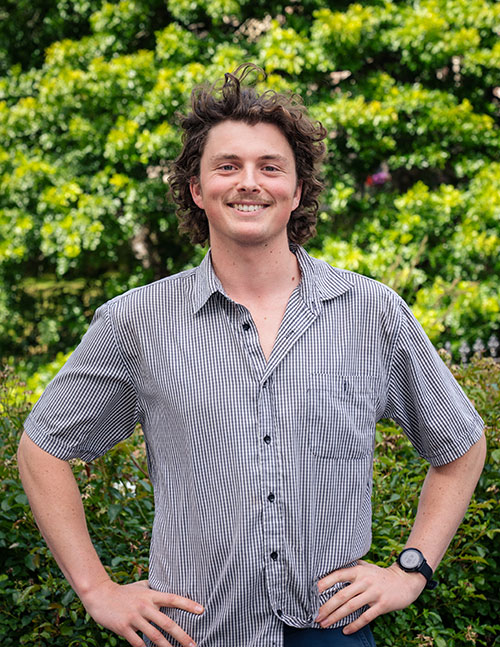
Project: Calcium channel-mediated plasticity in a model of frontotemporal dementia
Supervisor: Dr Owen Jones, Department of Psychology, Division of Sciences
Frontotemporal dementia (FTD) is a group of diseases in which the frontal and temporal lobes of the brain degenerate, causing progressive and devastating cognitive problems, and eventually death. Sadly, no effective treatments exist.
A main culprit in FTD is tau, a protein which normally stabilizes nerve cell structure. In FTD, genetic mutations cause tau to clump together, disrupting normal processes and damaging brain cells. Mice with these same toxic tau mutations show similar pathological changes. Typically, these mice show disrupted functions of synapses, the connections between cells that are strengthened during learning. This means neurons cannot communicate properly, or effective store information. Cognitive function therefore becomes impaired. Unfortunately, most information about toxic tau comes from investigating older animals, meaning we don’t know much about the early stages of FTD pathology. Unexpectedly, our lab discovered that certain calcium channels are overly engaged in young FTD model mice, and drive changes in synapse strengthening and the generation of nerve impulses. This is important, as calcium entering through these channels can be toxic, meaning their prolonged and repeated activation could be driving the later death of brain cells in the FTD model mice. We know that toxic tau causes a string of biological events which results in calcium channel overactivity. We want to see whether inhibiting this chain of events normalises the effects of calcium channel activation in young FTD model mice. If successful, we may reveal new drug targets for treating FTD by stopping harmful changes early on in the disease.
Deloitte
Emma McKay

Project: The Availability of Effective Emergency Contraception in Aotearoa New Zealand: A qualitative study
Supervisor: Dr Helen Paterson, Department of Women's and Children's Health, DSM
Emergency contraception can be used after unprotected sexual intercourse to prevent an unwanted pregnancy. In Aotearoa we have two types of emergency contraception available; the first is a pill that is taken orally known as levonorgestrel, and the second is the copper intra-uterine device (IUD) which is inserted by a health professional into the uterus. The oral pill is more commonly used for this purpose since it is easier to obtain than the copper IUD, however it is not as effective if taken beyond three days after unprotected intercourse, and if the individual taking it weighs more than 70 kg. This is a problem as the average weight for women in Aotearoa is about 75kg (health survey) and even higher for Māori and Pacific women, creating a barrier to accessing effective and equitable emergency contraception for these populations. A survey on emergency contraception was carried out earlier this year, and the results show that there are significant barriers preventing people from accessing emergency contraception in Aotearoa. This indicates a need for a new oral pill to be available in Aotearoa, known as EllaOne®, which can be taken up to five days after unprotected intercourse and works better in those over 70 kg. In order to expand on the survey results, this research will involve recruiting participants and then interviewing them so that this data can be used alongside the survey data in a Pharmac application to get EllaOne® funded.
OMRF Iverach
Janaya Mitchell-Byrne

Project: Timely intervention, monitoring and education matters in Multiple Sclerosis - Standards of care in newly diagnosed MS in the South Island of New Zealand 2022-2024
Supervisor: Dr Sarah Buchanan, Department of Medicine, DSM
Multiple sclerosis (MS) is an incurable chronic inflammatory disease. MS is caused by an autoimmune reaction, which means the body mistakenly attacks itself, along with a combination of viruses, environmental factors, and genetics. The areas of the body that are attacked are the brain and spinal cord, specifically the fatty substance called myelin that surrounds and protects the nerves. MS is a very unpredictable disease, as it affects various areas of the brain and spinal cord, resulting in a wide range of presentations in different individuals.
This study aims to assess standards of care against the internal consensus standard for newly diagnosed MS patients in the South Island. The internal consensus for standards of care includes three levels: core (minimal care), achievable (good care) and aspirational (high-quality care). Additionally, the study aims to evaluate differences in quality of care among subgroups at risk of inequities and regional variations in newly diagnosed MS patients. The subgroups to be explored for inequities and barriers to care include ethnicity, socioeconomic deprivation, and distance to treatment centre.
Data will be collected from the three main databases in the South Island that contain information on newly diagnosed and clinical follow-up patients. Data collected will include time to diagnosis, initiation of treatment, follow-up, and subgroup information. Data will be compared to international standards of care to assess the levels of core, achievable, and aspirational care. The study will identify areas of need and inequities and will be valuable for informing resource allocation in regional areas.
Healthcare Otago Charitable Trust
John Clemance

Project: A clinical audit of patients listed for total hip replacement to ascertain presence of Developmental Dysplasia of the Hip
Supervisor: Assoc Prof Sebastian Lippross, Department of Surgical Sciences, DSM
Hip dysplasia in Aotearoa is hypothesised to contribute to over 10% of total hip arthroplasty (hip replacements) cases later in life. Misdiagnosis or residual dysplasia can predispose individuals to early-onset hip osteoarthritis (destruction of cartilage). The link
between hip dysplasia (lateral deviation of the head of ball and socket joint) and osteoarthritis is complex, likely involving abnormal biomechanics and shear forces.
In Aotearoa, there is a lack of data in this field, particularly concerning its impact on Māori. Our study aims to gain greater insight into these effects by reviewing X-rays to determine the prevalence of hip dysplasia in adults, including subcategories such as Māori. By establishing the prevalence, we can identify the need for new methods and understand the potential effects of misdiagnosis on Aotearoa and Māori specifically. This information could help prevent the severity and number of total hip replacements, reduce surgeries, maintain function, and enable lives with fewer comorbidities. The data collected will provide a clearer picture of the extent of the issue and help us determine if there is a need for improved diagnostic techniques or interventions.
If our hypothesis is confirmed by the data, it will allow us to question and potentially improve our screening methods and standardisation. This could involve considering techniques such as the Graf screening technique used in Europe. By better understanding the prevalence and impact of hip dysplasia, particularly among Māori, we can work towards reducing the incidence of hip osteoarthritis and the need for surgical interventions.
Aotearoa Gaming Trust
Luke Geddes
Renshaw Prize Winner for the best OMRF Summer Research Scholar Report

Project: Investigating neuron-astrocyte crosstalk in Parkinson's disease
Supervisor: Dr Indranil Basak, Department of Biochemistry, BMS
A neurodegenerative condition with no cure, Parkinson’s Disease (PD) is a debilitating disease disproportionately affecting men which will dramatically increase in prevalence across New Zealand in the coming years.
Dr Indranil Basak leads a research team at Otago, determined to improve our ability to model PD. Skin cell-derived stem cells can be reprogrammed into different human brain cell types like neurons and astrocytes, thereby providing a way to determine how PD symptoms develop from specific genetic mutations. There is a lack of clarity, however, as to whether the neuronal death in PD is associated with astrocytes interacting directly or indirectly with neurons.
Dr Basak's group have successfully established a direct and indirect co-culture of human astrocytes and neurons to study PD. In this summer internship, I will track morphological changes in human neurons cultured directly with astrocytes deficient of a protein leading to PD-like cellular changes. To study the neuronal changes, I will gain a high level of proficiency in immunocytochemistry critical for detecting proteins of interest, which can indicate whether neurons and astrocytes are interacting directly or indirectly.
Continuing the work of current members of Dr Basak’s group, this project endeavours to chart how cells interact with each other in PD alongside teaching myself valuable lab techniques essential for future projects with Dr Basak. Understanding the contribution of different brain cells in the development and progression of PD will enable us to develop more targeted therapies in PD.
K and J Scott Family Trust
Nicole Whittaker

Project: Acetylation in inflammasome-mediated sensing of influenza virus infection
Supervisor: Assoc Prof Matloob Husain, Department of Microbiology and Immunology, BMS
Influenza A virus (IAV) has been endemic in human populations for centuries and is expected to remain so for the foreseeable future. Seasonally, the flu puts a huge strain on the healthcare system and can be very dangerous for those who are young, old, or immunocompromised. Therefore, research on IAV should be at the forefront of our minds. Additionally, IAV remains a pandemic threat, as it easily mutates due to its highly malleable genome. It has broad host range, inhabiting animals in the water (seals, waterfowl), land (humans, pigs, chickens, cats, horses), and air (birds, bats). IAV’s plastic RNA genome and numerous hosts mean that it can emerge in various forms with new mutations and behaviours, which causes reduction in the efficacy of vaccines and emergence of resistance to antiviral drugs. Therefore, it is important to continue studying IAV biology in the host to understand its pathogenesis and develop alternative antiviral strategies.
During IAV infection, the first step in the host innate immune response is the sensing of virus particles by intracellular receptors, one of which is the inflammasome. This research project aims to better understand the molecular mechanisms of the sensing of IAV particles by inflammasomes, and to determine whether those mechanisms could be targeted for anti-influenza strategies. For this, a physiologically relevant cell culture model and contemporary molecular biology techniques will be used, and the data will be analysed for statistical significance.
Professor Ailsa Goulding
Qiyue (Teresa) Gu

Project: The optimal patient position in the quantification of venous reflux using non-invasive ultrasound
Supervisor: Gerry Hill, Department of Surgical Sciences, DSM
Venous disease is common problem within our community. The gold standard to help manage this problem is to perform a non-invasive venous ultrasound scan to determine the function of the lower limb venous system. Poor function is defined as reverse flow
(reflux) in veins, and the duration of reflux is important. What is not clear, is the best way to perform this test. Some suggest that it should be conducted whilst standing, whilst others suggest that a tilt-bed will be sufficient. This continues to cause debate
and hence it is important to measure what difference the patient position can have on the functional values (i.e. reflux times).
In this project reflux time will be measured in patients with known venous disease, when lying down and standing up, and four in between tilted positions. The idea is that reflex would be worse when standing up as gravity will affect the veins more.
Aotearoa Gaming Trust
Shivannee Ganeshan

Project: Identifying novel treatment options for carbapenemase-producing WHO critical pathogens in Fiji
Supervisor: Prof James Ussher, Department of Microbiology and Immunology, BMS
The proposed research project aims to investigate the susceptibility of various carbapenemase-producing gram-negative bacteria to a panel of novel antibiotics. The bacterial strains in focus include Escherichia coli, Klebsiella pneumoniae, Acinetobacter baumannii, and Pseudomonas aeruginosa. These strains are significantly known for their resistance to carbapenems (a form of beta-lactams) and pose as a higher risk. In a study, 32% of patients infectedwith these strains died within 14 days of admission. This signifies the
severeness of these bacteria. With the importance of discovering more about these strains of bacteria and contributing to treatment, it has led us to the question, “What antibiotics would be effective in treating these carbapenemase-producing gram negatives?”. These isolates will be sourced from a culture collection curated by Saki with samples originally from Fiji. The antibiotics being tested encompass a range of new and promising compounds, such as minocycline, eravacycline, tigecycline, cefiderocol, sulbactam-durlobactam, aztreonam, and ceeazidime-avibactam. The susceptibility testing will be conducted using a combination of disc diffusion, E-tests, and broth microdilution methods which would help both verify and quantify the effectiveness of antimicrobials ensuring comprehensive and accurate results. This research is pivotal in identifying effective treatment options against these resistant pathogens, potentially guiding future clinical practices and contributing to the global effort in combating antibiotic resistance.
OMRF Wilkinson
Amy Hoi-Yan Choi

Project: The Relationship Between Vision Loss and Dementia
Supervisors: Dr Nick Cutfield and Dr Francesc March de Ribot, Department of Medicine, DSM
Dementia is a key challenge to healthy ageing, and the lack of treatment options makes prevention a strong public interest. Several studies have shown that correcting sensory impairment, including hearing loss and, more recently, vision loss, is a potential approach to reducing dementia risk.
The aim of this project was to explore how vision impairment affects rates of dementia diagnosis in older New Zealanders. We used the interRAI database a mandatory health questionnaire routinely-collected. The data analyzed has included 469,817 analysis between 2016 - 2020. We found that increasing severity of visual impairment was correlated to an increasing prevalence of dementia, with a stronger trend in Māori and Pacific ethnic groups.
In contrast to this trend, we found that the group with no vision had a lower rate of dementia diagnosis. This could have been due them having a greater chance of being sampled with their admission to long-term residential care. As the ‘no vision’ group was younger on average, we proposed that despite vision negatively affecting independence, health management, and physical activity, which are key dementia risk factors, early complete vision loss may affect influence other risk factors differently compared to later onset, progressive vision loss.
Hearing loss and vision loss affect social connection, mediating the risk of dementia. The effects of hearing loss are more significant in mid-life than late life, possibly because social events tend to occur in louder environments, imposing more social isolation in mid-life. Thus, we suggest that the onset of vision impairment could impact dementia risk through differential effects on social connection. Retention of more friends may be more likely at younger ages, and friendship has been found to be more influential in adapting to vision impairment than other relationships. Depression is another key risk factor for dementia, and it is correlated with earlier stages of adaptation to sensory impairment. Younger people losing all vision are therefore may have more sufficiently adapted to their visual function, having less consequences on depression and therefore dementia development.
Early visual loss is correlated to reorganisation of brain structure and function, which may mitigate the mechanisms which sensory impairment is proposed to contribute to dementia.
The relationship between the severity of vision loss and modelled proportions of dementia was consistent with other studies. As our study is not longitudinal, we cannot ascertain causation and studies following cohorts of people with vision loss over time are needed to confirm that the visual impairment precedes dementia. There is increasing evidence that preventing or treating vision loss will benefit cognitive health on a population scale. In light of recent studies showing that cataract surgery reduces dementia risk by 30%, promoting more public funding surgeries would be a significant improvement.
Marion Rhodes Memorial Scholarship
Andrew Yip

Project: How does MKRN1 label other proteins for destruction?
Supervisors: Professor Catherine Day and Dr Fareeda Barzak, Department of Biochemistry, BMS
Our bodies are made of around 36 trillion cells, each of which performs a specific function to keep us alive. Proteins are essential biomolecules that are within all of our cells that make these functions happen. To ensure that the right processes are happening at the right time, there are a series of proteins that can regulate the abundance of other proteins. One key process that controls abundance is called ubiquitylation, which involves attaching a small protein called ubiquitin to other proteins. Once attached, a ubiquitin chain can be formed which signals the cell to destroy the substrate protein. This cascade involves three types of enzymes.
E3 ligases facilitate the attachment of ubiquitin to the target protein. With over 700 E3 ligases known, they have been shown to ensure that the correct protein is tagged with ubiquitin to maintain protein abundance. Dysfunctions in the E3 ligase family of proteins can lead to a multitude of diseases.
Makorin-1 (MKRN1) is a RING E3 ligase with five domains called zinc fingers (ZFs). The RING domain attaches ubiquitin to the target protein, while the ZFs assist with the functionality of the protein. MKRN1 specifically targets a protein called poly-A binding protein C (PABPC), which regulates the construction of proteins from mRNA. Studies of MKRN1 dysfunction have shown to be associated with many diseases, such as cancer and cardiac-related diseases. While much research has been conducted on the cellular functionality of MKRN1, the mechanism by which MKRN1 attaches ubiquitin to proteins is not well understood. This project aimed to identify if any ZFs are required to attach ubiquitin to proteins such as PABPC via the RING domain in MKRN1.
Throughout the project, we have identified domain boundaries by comparing sequences of MKRN1 between species, designed five constructs and purified full-length MKRN1 (FL-MKRN1) and RZ5, which was a construct containing the RING domain and ZF5. It was found that RZ5 was capable of forming ubiquitin chains, which suggests that ZF5 supports ubiquitin chain formation.
To determine if ZF5 is required for activity, we would need to compare it with the RING domain alone. We would also need to test other combinations of the five ZFs to see if any of the other ZFs support ubiquitylation from MKRN1. However, showing that ZF5 supports RING activity in MKRN1 provides valuable insight into how this protein functions and will support future research.
C&E Matheson
Ariana Tuson

Project: The Contribution of Protein Synthesis to the Impairment of Memory Mechanisms
Supervisors: Professor Cliff Abraham and Dr Shruthi Sateesh, Department of Psychology, Sciences Division
The hippocampus is a brain structure with a vital role in memory. Synaptic plasticity plays a key role in memory formation. Memories are formed by altering connections between nerve cells, and long-term potentiation (LTP) can strengthen these connections. Prior neural activity (priming) can influence synaptic plasticity and inhibit subsequent LTP, a phenomenon known as metaplasticity. Protein synthesis plays a vital role in regulating synaptic strength and plasticity thresholds (Abraham & Bear, 1996). Previous research has found protein synthesis in the hippocampus to be important for one form of metaplasticity, but the location, the protein being synthesised, and the type of cell involved (neuronal or astrocytic) are unknown. This research focused significantly on the Cornu Ammonis (CA1) hippocampal region. The primary objective was to first confirm if there is protein synthesis that is occurring post-priming, the subregion where it is occurring in the hippocampus, and whether it is an astrocyte-mediated process. The second objective was to identify which protein is being synthesised. There is evidence that pro-brain-derived neurotrophic factor (pro-BDNF; a precursor of BDNF) impairs LTP (Xie et al., 2015). Thus, my research focused on the possibility of pro-BDNF being the synthesised protein. I used mice without the inositol trisphosphate (IP3) receptor type 2 (IP3R2-KO; present only in astrocytes), in which the metaplasticity effect is absent (Jones et al., 2023). These mice were compared to their normal counterparts (Wild-type (WT)). My study hypothesised that priming stimulation increases protein synthesis in WT but not KO mice. I also hypothesised that the newly synthesized protein is pro-BDNF, with astrocytes playing a role in this process. To explore these objectives, I first undertook electrophysiology to confirm elevated protein synthesis by priming stimulation. This was followed by immunofluorescence staining to further identify the location and identity of protein synthesis. This was done using antibodies to NeuN (a neuronal marker), GFAP (an astrocytic marker), puromycin to label newly synthesised proteins, and pro-BDNF. Results showed no significant priming-induced LTP differences between KO and WT mice, with no notable CA1 differences, particularly between puromycin and pro-BDNF staining. However, there was a significant puromycin staining disparity in the dentate gyrus (DG) subregion of the hippocampus between KO test pulses and KO priming, opposing the initial hypothesis (that this staining would be higher in WT mice). From staining observations, it appears there is an overlap between puromycin and both astrocyte and neuronal bodies, and thus protein synthesis may be occurring in both locations. Furthermore, pro-BDNF staining appears to coincide with puromycin staining, but little conclusion can yet be drawn from this without more specific co-localisation methods conducted. The hypothesis of astrocytic involvement is partially supported by qualitative conclusions of astrocytic staining, but cannot be entirely confirmed as the location is still unclear. This research suggests that the absence of IP3R2 does not significantly impact protein synthesis activity in CA1 under the conditions tested. In the broader context, this may imply that other mechanisms or compensatory pathways may be regulating protein synthesis, highlighting the complexity of synaptic plasticity regulation.
Platinum Recruitment
Bonnie Huang

Project: Investigating the effects of a novel targeted therapy combined with a conventional therapy in a subset of breast cancer
Supervisors: Dr Sarah Diermeier and Dr Kaitlyn Tippett, Department of Biochemistry, BMS
Breast cancer is the third most common cancer in New Zealand and accounts for more than 600 deaths every year. Triple negative breast cancer (TNBC) makes up ~15% of those cases. It is an aggressive subtype of breast cancer that is prone to spreading to other parts of the body. Patients with TNBC have limited targeted therapeutic options compared those with other breast cancer subtypes. This is because TNBC lacks the three markers present in the other breast cancer subtypes that can be targeted. Olaparib is one of the few targeted therapies available for a subset of TNBC patients but development of drug resistance in patients is a problem. A way to combat this is through combining treatments which reduces the likelihood of drug resistance developing and may make the treatment overall more effective.
Long non-coding RNAs (lncRNAs) are RNAs that do not produce a protein and are longer than 200 nucleotides. Some of them are highly tissue specific and are abnormally expressed in cancer cells. This makes them potential targets for developing new cancer therapies. Antisense oligonucleotides (ASOs) can bind to RNA and target these lncRNAs, therefore, can be used as a potential drug. I hypothesise that lncRNA targeting drugs can work synergistically with existing therapies such as Olaparib.
The aims of my project were to test whether a novel oncogene lncRNA target (lncTNBC3) is expressed in a TNBC cell line, can be downregulated by a specific ASO drug, and whether combination of the new ASO drug with Olaparib has a synergistic effect on cell growth.
We showed that lncTNBC3 was expressed in our model cell line. We discovered that our ASO drug reduced the levels of lncTNBC3 in the cells, and inhibited TNBC cell growth. However, when cells were treated with ASO and Olaparib together, there was no significant synergistic effect.
The next steps include experimenting with other concentrations of Olaparib to find the concentration at which synergistic effects can be observed. In addition to this, ASO2 may not work in synergy with Olaparib, so combinations with other available treatment options for TNBC patients such as Paclitaxel could be further investigated.
OMRF McQueen
Echo Kite-Bell

Project: Electronic patient healthcare information in Surgery. Cultural co-design of a patient centred health platform
Supervisors: Dr John Woodfield and Dr Kari Clifford, Department of Surgical Sciences, DSM
The aim of this study was to investigate whether integrating tikanga Māori (culturally appropriate practices) into an electronic health platform would enhance the user experience, particularly for those who self-identify as Māori. The health platform called ‘Go Well Health’ is currently utilised in the colorectal surgical department of Dunedin Hospital. It provides tailored educational information and support for patients throughout their surgical journey. Co-design of the original packs given to participants is underway, focusing on the incorporation of tikanga Māori, mātauranga Māori (Māori knowledge) and Te Reo Māori (Māori language).
Participants were contacted based on a series of selection criteria, one of which was identifying as having Māori heritage. They were asked to read five sets of documents comparing the original versions to the co-designed versions. A short survey was conducted after each set and a final interview was held.
This study was a collaboration between Māori who had colorectal surgery within the last 10 years, their immediate family/friends, and the surgical sciences research department. Co-design studies have been highlighted as the best way to work with Māori regarding their health. It gives Māori the chance to have a say in their own health narrative, and allows them to be heard, listened to and most importantly, understood.
The key findings of this study were as followed:
- The inability to read Te Reo Māori proved to be a barrier for some individuals, affecting their ability to engage in the co-design documents.
- The co-designed document was praised for its easy readability and cultural inclusivity.
- The inclusion of tikanga Māori, mātauranga Māori and Te Reo Māori received largely positive feedback from participants.
It is widely recognized that disparities exist concerning Māori health statistics. It is acknowledged as a multifaceted issue with various layers to consider. Several areas have been highlighted as contributors; socioeconomic elements, lifestyle choices, healthcare accessibility, and discriminatory practices(1) all playing a major role. The expectation is that through enhancing the user experience, individuals would be more likely to participate in the online platform, therefore adhere to recommendations, consequently reducing health disparities between Māori and Non-Māori.
One of the primary challenges encountered in this study was the limited number of eligible participants, which consequently influenced the recruitment. Upon reviewing the initial data, it became evident that there were minimal individuals with Māori ancestry available for contact. This study would therefore benefit from employing a combined approach, incorporating data from other regions who have a greater proportion of Māori. Preliminary findings pointed towards the cultural integration benefiting the user experience, particularly those of Māori ancestry, however further study is recommended to understand how beneficial it may be, and to explore the delicate nature of implementing such a program.
Walsh & Beck
Emily Light

Project: Incidence of umbilical cord insertion variations and their association with adverse outcomes in Otago
Supervisors: Dr Celia Devenish and Dr Susan Craw, Department of Women's and Children's Health, DSM
The placenta is an essential organ for pregnancy which enables the baby to grow. Usually, it develops with a central umbilical cord insertion, but variations include insertion at the edge of the placenta (marginal cord insertion) or where the umbilical cord may not directly attach to the placenta because it divides in the surrounding tissue (velamentous cord insertion). The shape of the placenta disc may also be different. There could be an additional lobe connected to the main placenta (succenturiate lobe) or the placenta disc could be smaller, causing the membranes to fold back on itself (circumvallate placenta).
International research has shown cord insertion anomalies can increase the risk of adverse outcomes for the mother and baby. These include reduced fetal growth, fetal concerns in labour, emergency caesarean section, and the need for newborn resuscitation or admission to the neonatal intensive care unit. To our knowledge, there has been no research on ultrasound diagnosis of placenta and cord insertion anomalies and their association with adverse outcomes in New Zealand.
This study aimed to identify how common these placenta and umbilical cord insertion anomalies are in the Otago District and to investigate their association with adverse outcomes. We identified patients diagnosed with these conditions at their 20-week pregnancy ultrasound scan in the Otago district over 20 months between 1st January 2022 and 1st August 2023. We then found the total number of births in the Otago district during this time period to estimate how frequent these conditions were. At routine 20-week ultrasound, we found that 0.5% had velamentous cord insertion, 1.9% had marginal cord insertion, 0.2% had succenturiate placenta and 0.6% had circumvallate placenta.
Next, we looked at the association between abnormal cord insertion (marginal cord insertion and velamentous cord insertion) and adverse outcomes. This included emergency caesarean section, elective caesarean section, low birthweight, resuscitation of the newborn, NICU admission, fetal distress, and total fetal adverse outcomes. Our abnormal cord insertion group included 57 patients diagnosed at the 20-week pregnancy scan. Our comparison group included 2108 people who did not have these conditions at the 20-week scan. They all gave birth in Dunedin Hospital. Our study showed that there was no association between abnormal cord insertion and adverse outcomes. This result differs from international studies and likely occurred because of the small number of people in our exposed group. A larger multi-centered study in New Zealand would be recommended to clarify these results.
Interestingly, we found that the diagnosis of cord insertion anomalies at the 20-week ultrasound differed from what was reported at birth. We found that 8% of people who had a normal report at the 20-week ultrasound had the condition identified at birth. We also found that only 23% of people who had an abnormal cord insertion at the 20-week scan had a matching report at birth.
This study has provided important information about how common these conditions are in Otago and has highlighted the need for a larger study to be done in New Zealand.
Aotearoa Gaming Trust
Finlay Anderson

Project: Targeted next-generation sequencing as a diagnostic tool for multi-drug resistant tuberculosis
Supervisor: Dr Htin Lin Aung, Department of Microbiology and Immunology, BMS
Tuberculosis (TB), the disease caused by Mycobacterium tuberculosis is currently the leading cause of death from infectious disease. The usual treatment for TB consists of multiple injectable drugs which are administered daily for around nine months and is associated with a multitude of harmful side-effects and huge costs both for health systems and patients. Furthermore, resistance to these drugs is on the rise, making treatment considerably less effective and posing a major threat to the global fight against TB. Because of the financial burdens associated with treatment, many TB patients fail to adhere to this, further contributing to the rise of resistance in lower-socioeconomic regions where most TB cases occur.
In New Zealand, TB disproportionately affects marginalised communities such as refugees, Māori, and Pasifika. Thus, TB is as much an equity issue as it is a health issue, and fighting it requires consideration of a variety of determinants. To try overcome this, the World Health Organisation (WHO) recently recommended a shorter, entirely oral drug regimen for multi-drug resistant TB (MDR-TB) which exhibits resistance to two or more first-line TB drugs. However, resistance is already emerging for these drugs, some of which have no alternatives. Therefore, it is crucial that effective diagnostics are made available to accurately diagnose and treat MDR-TB to curb the rise of resistance to these vital drugs.
Oxford Nanopore Technologies (ONT) MinION device is the cheapest and most portable next-generation sequencing technology currently available and has been previously shown to effectively diagnose drug resistance. Furthermore, the WHO has recently endorsed targeted next-generation sequencing (tNGS) for diagnosis of MDR-TB. This project aimed to develop a tNGS platform using MinION to detect drug resistance to key drugs of the new oral regimen. This involved using polymerase chain reaction (PCR) to amplify specific genes which mutations occur in causing resistance. These genes are atpE, Rv0678 and pepQ for the drug bedaquiline, ddn and fbiA for delamanid and rrl and rplC for linezolid. We successfully amplified these specific genes, allowing us to sequence them (hence “targeted” sequencing). We then used a variety of software to visualise the sequencing data, confirm it was done correctly, and determine resistance status. We had difficulty figuring out the right conditions for PCR, however now that we have these optimised, the process would be relatively efficient to repeat. This is a crucial first step in developing MinIONs diagnostic capability for resistance to these drugs. The next step would be to streamline this process further by optimising PCR conditions for multiplex PCR, meaning all genes could be amplified simultaneously, shortening the diagnostic timeline. Another important next step is to explore the ability of MinION to perform tNGS directly from patient sputum samples, bypassing lengthy culturing and DNA-extraction procedures. Our results suggest that tNGS with MinION could make TB diagnostics more accurate and more accessible (both financially and operationally). Because it predominantly affects lower-socioeconomic regions with limited infrastructure, this could be revolutionary in the fight against TB, where the many complex factors contributing to disease cannot be overlooked.
Perpetual Guardian Foundation
Leesuk Isaac Kim

Project: Engineering of nanobody protein to block migraine signalling
Supervisors: Assoc Professor Peter Mace, Department of Biochemistry, and Dr Michael Garelja, Department of Pharmacology and Toxicology, BMS
The focus of my research is to design and engineer a nanobody protein, which is a smaller version of antibody, to bind to a neural receptor called CLR-RAMP1 which usually causes neural inflammation and migraine symptoms when it meets with its partner protein, CGRP. The nanobody that we design does a similar job as the CGRP, by binding to the CLR-RAMP1 receptor, however, does not cause migraine symptoms. Therefore, this provides a therapeutic effect by blocking migraine-causing CGRP from binding to its receptor CLR-RAMP1. A therapeutically approved drug, called Erenumab is also an antibody that treats migraine through the same mechanism. Therefore, this study will help deepen the understanding of the mechanism of Erenumab.
Furthermore, this research looks deep into designing a nanobody that can differentiate between CLR-RAMP1 and its twin brother receptor CLR-RAMP3. It was known studying CLR-RAMP3 may also help enhance migraine therapy.
The 10 weeks of my research starts from constructing, making, and purifying both the nanobody and the CLR-RAMP1 protein. I have been able to sequence the DNA, purify the proteins, and use yeast system to test whether the designed nanobody is competent to bind to the protein CLR-RAMP1.
MM & JH Hughes Family Trust
Katie Wong

Project: Understanding PBT2-Zn’s role in enhancing antibiotics against MRSA
Supervisors: Professor Greg Cook and Dr Scott Ferguson, Department of Microbiology and Immunology, BMS
Summary: Antimicrobial resistance (AMR) poses a major global health threat, reducing our ability to combat bacterial infections, and methicillin-resistant Staphylococcus aureus (MRSA) is a leading cause of AMR-related deaths. In New Zealand, rising AMR is expected to impact Māori and Pasifika communities disproportionately. Unfortunately, research and development of new antimicrobials have decreased over the past few decades, emphasising the need for alternative strategies. PBT2 is a zinc ionophore that transports zinc (Zn) ions across biological membranes, and PBT2 has been previously shown to act as an antibiotic adjuvant, effectively overcoming/breaking AMR in bacterial pathogens when combined with Zn. It has also been observed that the antimicrobial effects of PBT2- Zn are reduced when MRSA is supplemented with manganese (Mn). This is referred to as Mn rescue, and this process is not fully understood.
Aims of the Project: This research aims to understand the molecular and metabolic mechanisms behind breaking AMR, specifically focusing on PBT2-Zn (PZ) ability to render MRSA susceptible to otherwise ineffective antibiotics. Additionally, we aim to understand the role of Mn in this process. This aim will be achieved by identifying and characterising genes associated with Mn rescue in MRSA.
Main Findings: We have identified approximately 80 putative MRSA genes which we hypothesise are involved in Mn rescue, and five of these mutants were further characterised, including NTML1725, which has a non-functional Cytochrome D ubiquinol oxidase subunit II (cydD). This study utilised many complementary techniques, including screening, checkerboard synergy assays, and time-kill experiments to observe the effects of PZ and Mn on MRSA cell viability.
Key Points of Discussion: The research highlights the importance of Mn in the ability of PBT2-Zn to reverse antibacterial resistance in MRSA and potentially implicates a role for cydD due to its hypothesised role in bacterial metal ions. However, this study also recognises the need for further investigation, including statistical validation, ICP-MS analysis, and the generation of single- or double-gene markerless deletion mutations, to validate our findings further.
Conclusions and Recommendations: The study concludes that the identified genes involved in cell viability restoration under Mn supplementation require further characterisation and confirmation. Understanding the molecular mechanism that drives PBT2-Zn-mediated resistance reversal is crucial for advancing this work further. The broader implication of this work emphasises the importance of studying chemical adjuvants to revitalise existing antimicrobials, which will be critical for combating the AMR crisis. Future experiments should include additional biological replicates to reduce variation, detailed metal ion concentration analysis, and the creation of markerless gene deletion MRSA mutants to facilitate a more comprehensive understanding. This research provides valuable insights into potential avenues for overcoming antimicrobial resistance and underscores the urgency of addressing this critical health issue.
Healthcare Otago Charitable Trust
Lucy Simmonds

Project: Barriers and facilitators of compression stocking use in patients with disease affecting veins of the lower limb
Supervisors: Dr Jo Krysa, Dr Kari Clifford and Abby Currie, Department of Surgical Sciences, DSM
Compression Stockings are a key aspect of treatment for conditions associated with vein dysfunction in the legs. Their benefits in symptom relief and preventing disease progression are well documented. Despite this, adherence is poor. This project aimed to identify factors affecting stocking adherence, in the form of barriers and facilitators to compression stocking use.
Patients in Dunedin get their first pair of stockings funded, after which they self-fund further stockings, whereas Invercargill patients do not get any stockings funded. To determine the impact of this, the experiences of participants from Dunedin and Invercargill were compared. Furthermore, the vein clinics in Dunedin have noted several young patients employed at the freezing works coming in with severe disease likely associated with their occupation, which requires long periods of time standing still. This study aimed to get the freezing works involved, as well as to compare barriers for patients of varying ages.
Twenty-five participants were recruited and interviewed about their use of compression stockings. Through analysis of the interview transcriptions, three key themes were identified, and ten subthemes outlined below.
Theme 1: Physical Factors. Subthemes: symptom relief, discomfort, application difficulty.
Theme 2: Psychological Factors. Subthemes: sense of security, daily routine, appearance, interactions with health care workers, disbelief of efficacy.
Theme 3: External Factors. Subthemes: finances, post-surgical experiences.
Many of these themes are consistent with previous studies. The subtheme of having the compression stockings become a part of patients’ daily routine is a facilitator that has not been previously identified. Experiences with finances were similar between Invercargill and Dunedin participants as they described having to choose between purchasing stockings and various other necessities. Although Dunedin participants appreciated having the first pair funded, many wore stockings for several years, minimising the overall impact of having a single pair funded. The study also found that participants aged over 65 more frequently mentioned disease, such as arthritis, making it more difficult to put the stockings on. On the other hand, the subtheme of appearance was more frequently mentioned in younger participants. Many males cited appearance concerns regarding their gender expression due to stockings being traditionally associated with women’s clothing, which acted as a deterrent.
Despite numerous enquiries, the freezing works companies were not interested in taking part in the study. One current and one previous employee were recruited. During their interviews they discussed that the freezing works were not taking any steps to reduce the development of venous disease in their employees. They were uncertain whether the introduction of compression stockings for employees would encourage use.
This study consolidates much of the previous research, in addition to gaining a deeper understanding of the influence of age and sex. Areas for further research include the previously undocumented facilitator of stocking use being part of a patient’s daily routine, as well as more enquiries with freezing works companies.
Deloitte
Naomi Grambin

Project: Testing whether novel antimicrobial peptides are toxic to human cells or cause an immune reaction.
Supervisor: Dr Daniel Pletzer, Department of Microbiology and Immunology, BMS
The focus of this project was to discover whether novel antimicrobial peptides, so-called peptoids, can cause harm to human skin cells, alongside identifying whether their application interferes with the immune system. The study of peptoids is an attractive area of research for the development of new antimicrobial treatments, given the problems associated with the rise of antibiotic resistance in many high-risk microbes. The potential for peptoids to kill human cells has not yet been fully explored, therefore, part of this project was dedicated to exposing peptoids to human skin cells. Out of the fifteen peptoids tested, six of them did not cause the skin cells to die, at the tested concentrations. Therefore, these six would be the only suitable contenders to potentially becoming usable antimicrobial treatments. There is little to no previous research that was conducted to investigate the antimicrobial properties of three of the six peptoids that did not damage skin cells. Therefore, in the future, the ability to efficiently kill bacteria may be explored further for these peptoids, against skin-specific disease-causing bacteria. Their efficacy in killing those microbes will tell whether they can be further developed as tangible alternatives to antibiotics. The second part of this project was directed towards determining whether peptoids can assist the host immune system in fighting off an infection. Previous research with other peptoids showed that they could assist the immune system to fight off microbial infection at a faster rate. Therefore, it is a significant property for a novel potential antimicrobial treatment to have and warrants further investigation. Unfortunately, due to the short amount of time allocated to this part of the summer project, alongside difficulty in optimizing the specific experiment, it was not possible to determine the immunomodulatory effect of the non-toxic lead peptoids. Therefore, future directions would include the continuation of this project by further optimizing the experimental parameters. To conclude, during this summer project, a few properties of the fifteen peptoids were tested. This provided information on their behaviour upon contact with human skin cells, which aids in the development of a novel antimicrobial treatment. Although there remains room for more work to be done in this investigation of the tested peptoids’ properties, the data obtained in this project has provided a head start on the drug development process.
Aotearoa Gaming Trust
Noah Kelly-Foleni

Project: How does the X126 splice mutation impact cancer cells
Supervisor: Dr Sunali Mehta, Department of Pathology, DSM
Cancer affects thousands of people each year in New Zealand with 25,000 people being diagnosed each year. Within this group there are ethnic disparities, and some communities face a higher burden than others. The Pasifika community although having similar rates of cancer diagnosis compared to other ethnic groups have a much higher mortality rate for cancers such as breast, lung, uterine, stomach, and liver. This is due to many factors such as late screenings and diagnoses, socioeconomic factors, ease of health care factors etc. These factors make characterising mutations such as the TP53 X126 splice mutation important to study as it can lead to better understanding of cancer development and treatment.
The X126 splice mutation occurs in the TP53 tumour supressing gene. The TP53 gene produces a p53 protein which helps stress response such as DNA damage and helps maintain regular cell function. When this gene is mutated, it can cause disruptions to these functions and result in more aggressive cancers and poorer patient outcomes. Normally when activated the TP53 gene will create a message to make a p53 protein. However, when there is an X126 splice mutation part of the message (mRNA) is changed which means the instructions to build the p53 proteins and how much protein to build will be changed.
The aim of this project was to determine the influence of the X126 splice mutation on known p53 protein forms. This was done by first obtaining cells that had two normal copies of the TP53 gene (Wild type), cells with one normal copy of TP53 gene and one copy of the X126 mutated gene (heterozygous), and finally cells with two copies of the X126 mutated gene. Then I preformed RT-qPCR and ddPCR analysis which measure the type, amount, and number of messages sent by each of the cell types.
When compared to the wild type cells the heterozygous cells produced less mRNA in all of the target transcripts in both RT-qPCR and ddPCR. This implied that protein p53 levels would be low in these cells which could cause issues with cell function and potentially influence cancer development. The levels of target mRNA in the homozygous cells were shown to either be much higher or at a similar level to the wild type cells but could not be determined as the two measurement methods conflicted with each other. Because of these conflicting results the experiments will have to be repeated in order to find out what is truly happening in the homozygous cells.
In future it would be necessary to test the protein levels to see if the messages the mutant TP53 genes are sending are being utilised and to see what kind of proteins are being made as not all mRNA transcripts are necessarily made into proteins. It would also be necessary to sequence the whole mRNA message to see what messages are being sent as only parts of the mRNA transcript were being measured in this experiment.
Aotearoa Gaming Trust
Sana Atithi
Project: Deciphering the Brain’s Rapid Stress Response Circuit
Supervisors: Professor Colin Brown and Dr Joon Kim, Department of Physiology, BMS
Aim: This study explored the complexities of the brain's mechanisms in responding to stress, with a particular focus on identifying the neural pathways that facilitate rapid escape reactions when faced with stress. Understanding the stress circuits responsible for such behaviours is crucial for understanding mammalian survival strategies and illuminating how disruptions to these pathways could lead to dysregulated stress responses. Recent evidence has suggested that brain regions involved in detecting stress and escape motor control might be directly connected to orchestrate swift escape responses upon the onset of stress. This investigation aimed to determine the stress-escape circuit by employing a virus to deliver a fluorescent marker into specific neurons to map the pathway between the stress detecting areas and motor control regions.
Findings: Contrary to our expectations, we did not find evidence of a direct projection from the stress detecting areas and motor control regions. instead, our findings revealed the possible involvement of the thalamus (which is an integrative hub facilitating complex decision-making tasks) as an intermediary region within the stress-escape circuit.
Discussion: These findings challenge the traditional view that stress responses are mere reflexes. They suggest that the brain's response to stress involves a more sophisticated process evaluating a wide array of sensory inputs and potential outcomes to develop effective navigation strategies. This allows for a more adaptive approach and a better chance of survival.
Conclusion and Recommendations: Further research is needed to understand the importance of the thalamus in the stress-escape circuit. Our research has uncovered a previously unknown aspect of the brain's stress response network, enriching our understanding of how stress modifies behaviour in mammals. This work opens new avenues for research in this field to understand the stress response and address abnormal stress responses.
Aotearoa Gaming Trust
Sarah Grant

Project: Investigating the effect of antidepressants on lipoprotein metabolism
Supervisor: Professor Sally McCormick, Department of Biochemistry, BMS
There are several things that contribute to a healthy heart. Many people have heard of ‘good’ and ‘bad’ cholesterol, otherwise known as HDL and LDL, but there is another important one called lipoprotein (a) [Lp(a)]. Lp(a) looks similar to LDL but has a unique piece attached to it called apolipoprotein(a) [apo(a)]. Researchers have found that a lot of Lp(a) in plasma causes increased risk of heart disease. It has also been found that people with depression have higher levels of Lp(a). This means that people with depression are more likely to have heart disease. Recent studies have shown that serotonin-based antidepressants can cause liver cells to increase the amount of Lp(a) they clear from the blood. This could mean that the risk of heart disease decreases. The aim of this study was to find out if norepinephrine-based antidepressants functioned similarly. It was found that one norepinephrine based antidepressant called atomoxetine was able to increase the uptake of apo(a) up to a certain concentration. While these are early findings it could mean that both types of antidepressants have the ability to remove Lp(a) from plasma. This could translate to a lower chance of heart disease.
C&E Matheson
Solomon Filipo

Project: Electronic patient healthcare information in Surgery. Cultural co-design of a patient centred health platform
Supervisor: Dr Francesc March de Ribot, Department of Medicine, DSM
During my summer studentship, I was directed to complete two projects. The first piece was an editorial to the New Zealand medical journal highlighting the need for more population-based eye research in New Zealand. The main aims of this project were to evaluate the current state of eye health in New Zealand. The editorial is titled – Open your eyes: the need for population-based eye research in New Zealand. The main goals of this project were to get more equitable outcomes for Māori and Pacific eye health in New Zealand. The main findings from this editorial piece were that there is a current shortage of data on Pacific and Māori eye health in New Zealand. The current research shows that other public health efforts have been made for more equitable health outcomes. This piece highlighted the need for more data, as well as gave recommendations for more equitable health outcomes in the future. I hope to present this editorial at the Pacific medical conference, as well as the Royal Australian and New Zealand college of Ophthalmology conference in May.
The other project I completed was a report on the Mercy charitable trust in Dunedin. I was able to connect with the trust to reach the Pacific community of Dunedin to share data on access to visual aids, as well as the links between low vision and Dementia. The event was attended by 30 members of the Pacific community and robust discussion was facilitated on Dementia risk and eye health by me, Dr March, and guest speaker Dr. Xaviour Walker. The main aims of this project were to investigate the charitable trust and highlight the work they do for the local Dunedin community, within the field of Ophthalmology. The main findings from this report were the funding of 21 Cataract surgeries over the last 5 years. The surgeries that were funded was mostly for Māori and Pacific who would not usually be able to access their eye surgery in the public health system. Through this report, I was able to demonstrate a local need for more funding and research within the field of Ophthalmology. Furthermore, I was able to inform the public about important measures that need to be taken to prevent worsening vision. From networking with the local community through the trust, I am now able to plan more outreach sessions through the help of local Pacific organisations. In the future, hopefully this discussion can reach a national stage.
Dr Ailsa Goulding
Tessa Cloutman

Project: Examining a region associated with breast cancer susceptibility
Supervisor: Assoc Professor Anita Dunbier, Department of Biochemistry, BMS
One in nine New Zealand women will be affected by breast cancer over their lifetimes. Approximately 70% of these cases will be positive for the presence of the oestrogen receptor, particularly the oestrogen receptor alpha (ERα), which is coded for by the ESR1 gene. Exposure of these cells to the hormone oestrogen is known to promote tumour growth by activating the oestrogen receptor and inducing the proliferation and invasiveness of cells. Previous work has identified a genomic variant within an enhancer element upstream of ESR1, which is associated with breast cancer susceptibility. Enhancers are non-coding distal genetic elements that activate the expression of target genes. It is possible that this variant may therefore influence the expression of ESR1, hence affecting the development of breast cancer. This project aimed to investigate the influence of the risk variant on enhancer activity in this region.
The first stage of this project was to insert this potential enhancer element containing the variant into a circular piece of DNA known as a plasmid in a process called ‘cloning’. In this step of the cloning process, many copies of the region of interest (ROI) are amplified through a specific Polymerase Chain Reaction (PCR). However, as the ROI had a very similar sequence to other areas in the genome, I found that the PCR also amplified other off-target regions of DNA. This resulted in the first plasmids constructed containing inserts of inconsistent lengths ranging from 750 base pairs (bp) up to 1500bp. From this, the DNA mixture made from the PCR was purified to remove any DNA outside of the 1000-1200bp range before being used in a second cloning attempt. This was done to isolate only the 1112bp long region of insert. However, sequencing of the insert regions of the second group of plasmids revealed that they still did not contain the correct insert. This was explained by there being other DNA fragments of the same length as the region of interest within the DNA mixture used in the cloning, and hence remained in the DNA mixture following the purification. The PCR primers, the component of the reaction which give specificity to the PCR, were therefore redesigned to better target just the region of interest. Following the third cloning attempt, five out of the six plasmids made contained the correct insert and were therefore deemed successful. From the cloning procedure optimised during this project, the plasmids will be able to be used in future experiments to further explore if the variant influences enhancer activity. This work will help provide insight into the development of breast cancer and aid in the development of new treatments.
Rosey McConnon
Tom McDermott

Project: Are CAR T cells susceptible to natural killer cell mediated killing?
Supervisor: Professor Alexander McLellan, Department of Microbiology and Immunology, BMS
Chimeric antigen receptor (CAR) T cell therapy is a novel means of treating cancers involving the sampling of a patient’s blood and genetically modifying a specific subset of their immune cells (T cells) that are present within this blood sample. This modification allows these immune cells to recognise, target and kill cancerous cells, which are put back into the patient after being altered to allow them to clear out the cancer. While this has been shown to be successful in cancers of the blood and lymph, such as non-Hodgkin’s lymphoma, a major challenge facing this therapy is its effective application in solid tumours. A potential solution to this problem is combining the use of CAR T cells with other therapeutic cell types, such as Natural Killer (NK) cells. NK cells can readily be obtained from a patient or donor’s blood, with populations expanded and prepared for therapeutic delivery – however, their potential negative effects on CAR T cells require further investigation. For example, in a normal immune response, NK cells have been shown to inhibit T cells as a means of preventing an overpowered immune response (which can lead to further pathologies similar to septic shock). The aim of this project was to culture these two cell types together and determine whether therapeutically cultured NK cells had any killing action on CAR T cells, in order to guide how these two agents may be co-delivered (ie. whether this could be done simultaneously or staggered). We did not observe any killing of T cells by NK cells in our co-culture experiments, but instead the continued proliferation of both cell types. This suggests synergistic interactions between NK and T cells different to those seen during a typical immune response. This means that delivery of the two therapeutic cell types could be simultaneous, however, their interactions in the presence of a malignancy and proper in vivo investigations are necessary before this can be said with any confidence.
Walsh & Beck Scholar
Alice Robinson

Project: Investigating a novel target for gastric cancer therapy
Supervisor: Dr Silke Neumann and Dr Sharon Pattison, Department of Medicine, Dunedin School of Medicine
Gastric cancer is the fifth most common cancer in Aotearoa. Māori and Pasifika experience younger diagnoses and worse outcomes compared to NZ Europeans. We identified a protein complex controlling immune responses in gastric cancer together with the immunoproteasome. This breaks down intracellular proteins, prolonging inflammation in several cancers through effects on immune cells within the tumour. It is unclear why this complex improves survival in some cancers but worsens outcomes in others. In this project, we examined the role of the immunoproteasome in gastric cancer’s immune response, and whether it is a suitable cancer therapy target. We did not detect statistically significant differences in immune responses toward gastric cancer cells with decreased immunoproteasome subunit expression. However, we found a trend of decreased immune cell migration towards cancer cells in intestinal type gastric cancer with decreased expression of immunoproteasome subunits, but conversely, increases in immune cell migration in the diffuse type.
Aotearoa Gaming Trust Scholar
Annabel Walsh

Renshaw Prize Winner (joint) for the best OMRF summer research scholar report
Project: Developing new treatment tools for bacterial infections
Supervisor: Dr Matthias Fellner, Biochemisty, BMS
The FphH protein from the disease-causing bacteria, Staphylococcus aureus, has been identified as an enzyme associated with biofilm formation. Biofilm formation is a process by which bacterial cells secrete a sticky substance around their growing population, shielding them from the attack of an infected person’s immune system or antibiotics taken to treat the infection. FphH has shown potential as a target for new antibiotic development, requiring knowledge about the structure and function of the enzyme for medications to be developed in the future. To characterise FphH, the substrate preference was investigated as well as the activity of a suspected inhibitory compound, and antibiotic, fusidic acid. To connect these observations, an in-depth search of the available publications referencing FphH was carried out. FphH was found to be a lipase, an enzyme which breaks down fats, that was inhibited by Compound 3 and unaffected by fusidic acid.
C & E Matheson Scholar
Bochen Zhu

Project: Targeting the Undruggable: Investing Small Peptide Modulators of E2 Ubiquitin Conjugating
Supervisor: Dr Adam Middleton, Biochemistry, BMS
Proteins are one of the fundamental building blocks of cells. When proteins are not needed or become dysfunctional, they are tagged with a molecule called ubiquitin which signals the cell to degrade these proteins. This project focused on E2 ubiquitin conjugating enzymes which catalyse the central step of ubiquitin transfer. Abnormal E2 enzymes have been found in various types of cancer. So, blocking these enzymes could be beneficial for cancer treatment. Recently, the Middleton lab discovered four small molecules called peptides that could bind to E2 enzymes. However, whether these peptides would block the activity of E2 enzymes was not determined. So, in this project, we used well-established biochemistry methods to investigate the effects of peptides on E2 enzyme activity. Three peptides stopped the E2 enzymes from transferring ubiquitin. These peptides will be used in future experiments to further investigate peptide-E2 enzyme interaction and could eventually be developed into therapeutics.
A Goulding Scholar
Erin Porter

Project: An investigation of the differential methylation of certain genes and their potential to aid early diagnosis of lung cancer
Supervisor: Dr Magda Ratajska and Dr Suzan AlMomani, Department of Pathology, Dunedin School of Medicine
Lung cancer is the leading cause of global cancer-related mortality with Māori as the most affected ethnic group at the highest incidence and mortality. Lung cancer is associated with DNA methylation, a molecular mechanism of gene silencing of gene promoters, which plays a vital role in the development of a variety of cancers. We hypothesised that because methylation plays an important role in lung cancer progression and if differential methylation could be found for the genes we investigated, that could present them as potential early diagnostic tools. We investigated the methylation status of multiple genes in lung cancer and normal cell samples, and found that every gene tested was differentially methylated with statistical significance. Overall, this is a step toward finding new and promising biomarkers to aid in early diagnosis of lung cancer.
Taieri Rotary Club Scholar
Grace Kelly

Project: Hippocampal long-term potentiation in response to tinnitus in rats
Supervisor: Dr Anurag Singh, Associate Professor Yiwen Zheng and Professor Paul Smith, Department of Pharmacology and Toxicology, School of Biomedical Sciences
Tinnitus occurs when sound is heard in absence of an external sound stimulus. This common condition can lead to insomnia, anxiety, and depression. Tinnitus is thought to be caused by the failure of a “noise cancellation” system in the brain to prevent unwanted sound from being consciously perceived. To further understand how this occurs, this project investigated the ability of neurons to communicate with each other in a specific brain region called the hippocampus, which is part of the “noise cancellation” system, in an animal model of tinnitus. In this animal model, tinnitus was induced by exposing the animals to acoustic trauma. It was found that animals that received acoustic trauma had an increased strength of communication in the hippocampus compared to the control. This suggests that increased neural communication inside the hippocampus may contribute to the failure of the cancellation of tinnitus sound in the brain.
OMRF Iverach Scholar
Grayson Wass

Project: Investigating the use and prognostic value of PET scans in patients with prostate cancer
Supervisor: Professor Rathan Subramaniam, Department of Medicine and Dr Kari Clifford, Department of Surgical Sciences, Dunedin School of Medicine
Prostate cancer (PCa) is an uncontrolled growth of cells in the prostate gland, which can later spread to other areas of the body. During diagnosis, nuclear medicine imaging such as PSMA positron emission tomography (PET) can help stage the cancer and determine the best options for treatment. PSMA PET is a new imaging technique which is more accurate for staging PCa compared to conventional imaging. This study analysed the demographic and clinical characteristics of NZ PCa patients who received PSMA scans. We found that patients living in Auckland had the most PSMA scans (41.3%). Of the patients who received scans, 85.4% were European and 8.9% were Māori/Pacific. We found that patients living in the South Island were 0.78 times (CI 0.62-0.99); p = 0.038) as likely to be diagnosed at a public hospital, compared to patients in the North Island, highlighting potential differences in the availability of public healthcare.
C&E Matheson Scholar
Harry Gardner

Project: Neurotransmitter regulation of a memory mechanism
Supervisor: Professor Cliff Abraham and Dr Shruthi Sateesh, Department of Psychology, Division of Sciences
The brain works on electrical impulses, and the ability of brain cells to change this electrical conductivity underpins learning and memory. The ability of certain regions of the brain to learn can be influenced by prior electrical activity in completely separate areas of the brain. This is termed metaplasticity and is a crucial memory mechanism which appears to be dysregulated in neurodegenerative diseases such as Alzheimer’s. I investigated the trigger of this effect by replacing this prior electrical activity with a chemical which acts like the one that starts this chain reaction. I found a difference in the trigger of the mechanism compared to other major brain memory regions. This novel data helps further understand the complexity of this strange phenomenon. This is crucial because understanding these processes helps us generate treatments for diseases such as Alzheimer’s which have rising incidence rates due to our ageing population.
Don Sims Memorial Scholarship
Isabel Ayora

Project: Long lasting disruption to neurocircuitry following adolescent stress: role of epigenetics
Supervisor: Dr Megan Wilson and Dr Mick Watt, Department of Anatomy, School of Biomedical Sciences
Stress during adolescence has lasting impacts on the functioning of the adult brain. This study used an animal model to investigate how these lasting impacts might reflect changes to the control of a key gene, DAT1, and whether these changes differed between males and females. DAT1 is responsible for the Through measurements of relative DAT1 expression compared between isolated and control rats (kept in pairs), a significantly greater expression of DAT1 was identified in the isolated rats. There was no evidence that this effect differed between male and female rats. These findings are limited by the small number of rats available for analysis, especially female control (paired) rats (of which there was only one). Conclusions about the mechanism for this increased DAT1 expression are still on hold until the converted sequences of the key DAT1 control regions are returned for analysis.
Rosey McConnon Scholar
Joshua Young

Project: Dolphin Teeth: A Natural Model for Unravelling the Complexity of Tooth Development
Supervisor: Dr Carolina Loch and Professor Dawn Coates, Sir John Walsh Research Institute, Faculty of Dentistry
Enamel is the outermost layer of mammalian teeth. In humans, enamel has a complex structure. Enamel development disturbances can simplify structure and cause diseases, compromising oral and general health. However, in dolphins, different types of enamel structure are naturally occurring from complex to extremely simple. Two key proteins important in human enamel development are Runt-related transcription factor 2 (RUNX2) and Kallikrein-related peptidase-4 (KLK4); the presence of these proteins are yet to be confirmed in dolphins. We conducted experiments to confirm whether RUNX2 and KLK4 are present in Common dolphins. We identified KLK4, but RUNX2 could not be confirmed. These findings confirm dolphin tissues are viable natural models to study enamel development and structural differences. This project provided foundations for future investigation of key enamel development proteins, and how they may influence enamel structure.
Middlemass Scholar
Madeleine Hardie Boys

Project: DNA-binding proteins as drug targets in Pseudomonas aeruginosa
Supervisor: Dr Daniel Pletzer, Microbiology and Immunology, BMS
Pseudomonas aeruginosa is a top priority bacterium, causing infections in the urinary tract, lungs, and wounds. It causes especially high death rates in people with cystic fibrosis and is highly resistant to multiple antibiotics. It has a variety of mechanisms that contribute to its high drug resistance and infectivity, including the ability to clump together and adhere to surfaces such as the airways or medical equipment. The aim of this research project was to delete two genes, hypothesised to be involved in these mechanisms, and analyse the effects of these deletions on the bacterium. If the deletions reduced infectivity, then these genes are possible new drug targets. A screening process identified potential isolates with both genes deleted, but confirmation tests revealed that they had reverted to a wild-type phenotype.
OMRF McQueen Scholar
Natasha Drummy

Project: CRISPR-Cas technologies for therapeutic outcomes
Supervisor: Professor Peter Fineran and Dr Rob Fagerlund, Department of Microbiology and Immunology, and Dr Laura Gumy and Dr Macarena Pavez, Department of Anatomy, School of Biomedical Sciences
Silencing of particular genes may hold therapeutic potential if those genes are involved in pathology or are inhibitory for cellular repair pathways. CRISPR-Cas systems can be used to silence genes, but their therapeutic use in this manner has been limited. Here, we have initiated work to generate expression vectors and develop proof-of-concept data to test whether newly characterised CRISPR-Cas systems may have therapeutic potential in eukaryotic cells. Multiple plasmids were constructed and transfection experiments into eukaryotic cells was initiated.
Deloitte Scholar
Nicholas Anderson
Project: Does the speed of egg growth in the ovary affect its quality?
Supervisor: Dr Michael Pankhurst, Anatomy, BMS
In the ovary, eggs mature inside ovarian follicles. As the egg develops, the fastest-growing follicle in the ovary will become dominant and ovulate. Good eggs are important for a successful pregnancy and for IVF success rates. Naturally, ovulated eggs usually are the best quality and have the highest chance of resulting in pregnancy. It has been suggested that the fastest-growing follicles contain good-quality eggs. This research examined whether we can predict the quality of eggs based on how quickly the follicles grew in culture. No relationship was found between growth speed and egg quality. This suggests that other factors in the ovary are at play in determining and selecting good eggs. Further research in this area is important for improving the success of IVF and assisting those experiencing infertility.
Werribee Trust Scholar
Polina Shevchuk

Project: The Effect of an Uncharacterised Mutation in a Tumour Suppressor on Cell Responses
Supervisor: Dr Magda Ratajska and Dr Sunali Mehta, Department of Pathology, Dunedin School of Medicine
The protein p53 normally prevents damaged cells from turning into cancers, however, it is mutated in about half of all human cancers causing it to lose its function. Although it is frequently mutated, it is not yet understood how each p53 mutation specifically influences the biology of the cancer cell. One mutation causes significantly worse patient outcomes compared to patients with commonly studied p53 mutations, but it is not yet known why. This project created this singular mutation and showed it causes the cell to respond as if the protein is completely absent from the cell, even though this mutation is the only thing different about the p53. This forms a basis for future studies in understanding exactly what changes happen to the cell when this mutation is present.
Aotearoa Gaming Trust Scholar
Rhea Bhide

Project: Site of the lingual nerve in the third molar region in New Zealand European
Supervisor: Professor George Dias, Department of Anatomy, School of Biomedical Sciences and Associate Professor Harsha De Silva, Department of Oral Diagnostic and Surgical Sciences, Faculty of Dentistry
Injury to the lingual nerve, which provides sensation to the tongue and various other oral structures, can have detrimental effects. Its close proximity to the mandible makes it vulnerable in various dental and oral surgical procedures, including wisdom tooth extractions. Hence, lingual nerve protection is vital. Adequate nerve protection requires precise knowledge of the site of the nerve, which is not always consistent with textbook descriptions. Research is essential in discovering key anatomical differences specific to certain populations. This study focussed on the New Zealand European population. Data gathered via cadaveric dissections was used to estimate the location where the lingual nerve runs closest to the inner surface of the mandible in relation to three clinically distinct bony landmarks. The study produced a practically applicable guideline clinicians can utilise to estimate the anatomical position of the lingual nerve and thus mitigate the risk of inadvertent nerve damage.
Stonelake Foundation Scholar
Storm Voyce-McCulloch

Project: Understanding how changing the shape of an antioxidant protein affect its function
Supervisor: Associate Professor Liz Ledgerwood, Biochemistry, BMS
Peroxiredoxins are an enzyme family important in cellular processes due to their range of functions, namely the removal of reactive oxygen species. Altered activity of peroxiredoxins has been implicated in disease development such as cancer. Peroxiredoxins exist as two structures: one smaller, made of two parts, and the other a larger, ring-like structure. No methods are available to study the relationship between the different structures of peroxiredoxin and their activity in cells. Nanobodies are a new tool in the research of proteins and have previously been fluorescently tagged and used to study proteins in cells. This project has made progress in the development of nanobodies specific to peroxiredoxin, through introducing two mutations into the nanobody sequence. This sequence in future can be used to express mutant peroxiredoxin specific nanobodies, that can be fluorescently tagged, and used to study how peroxiredoxin structures relate to their activity in the cell.
Aotearoa Gaming Trust Scholar
Thomas Noble-Campbell

Renshaw Prize Winner (joint) for the best OMRF summer research scholar report
Project: In Plane Sight: Assessing Root Canal Length Using three-dimensional X-ray Imaging; A Pilot Study
Supervisor: Associate Professor Peter Cathro and Dr Finn Gilroy, Department of Oral Rehabilitation, Dr David Roessler, Dean’s Office and Dr Malcolm Dacker, Department of Oral Diagnostic and Surgical Sciences, Faculty of Dentistry
The aims of this study were to 1) evaluate the accuracy of canal lengths measured using two three-dimensional X-ray measurement approaches and 2) provide the first report on the canal configurations of Māori lower first molars. Fourteen extracted New Zealand European and Māori lower first molars were analysed. Canal lengths and configurations were recorded using each approach. No significant difference was observed between measurement approaches. Compared to actual root canal length, one method (axial view) had a higher proportion of measurements accurate within ±0.5mm. Māori first molars presented most commonly with four canals. Vertucci type IV and II configurations were most common in the mesial (75%) and distal canals (50%), respectively. Axial canal length measurements may be more clinically accurate in mandibular first molar teeth.
Aotearoa Gaming Trust Scholar
Venus Cahusac de Caux

Project: Using automated technology to improve outcomes for adolescents and young adults with type 1 diabetes
Supervisor: Professor Peter McIntyre, Associate Professor Ben Wheeler and Dr Alisa Boucsein, Department of Women’s and Children’s Health, Dunedin School of Medicine
New automated technology is revolutionizing management of type 1 diabetes through both confining blood glucose levels to a healthy range and reducing the overall burden of treatment. This study of 20 participants aged 13-25 years, used the Medtronic 780G advanced hybrid closed loop (AHCL) system that both measures glucose and doses an appropriate amount of insulin to maintain glucose levels in a healthy range. We showed improvements in glucose control over a period of 6 and 9 months, with glycated haemoglobin (HbA1c) lowering by 33.3%. Maintaining tight control on glucose levels reduces the lifelong risks of diabetes complications, thus this new system has potential to alter the course of disease for those living with type 1 diabetes.
Platinum Recruitment Scholar
Yani Remoto

Project: The Healthy Heart Study
Supervisor: Dr Andrew Reynolds, Fiona Hood, and Professor Jim Mann, Department of Medicine, Dunedin School of Medicine
Non-communicable disease (NCD) numbers continue to increase, with coronary heart disease (CHD) causing the most illness and death. Thus, we must prevent it and improve current treatments. One way to do so is by looking at what we eat, as it is a major risk factor for CHD. The Healthy Heart Study investigates the benefits of 12-week delivery of free healthy groceries – either high in fibre or high in healthy fats – to those who recently had a major heart event such as a heart attack. My project is an initial analysis of this ongoing study, looking at fat levels in the blood, weight, body mass index (BMI), body fat percentage, blood sugar and diet satisfaction after 12 weeks for 102 participants. Results from this project suggest some changes, but completion of the study is needed to quantify these changes. Findings in this study will help form innovative management of CHD.
OMRF Wilkinson Scholar
Zoe van Wijk

Project: Regulation of oncogenic p53 isoforms by miRNA
Supervisor: Dr Glen Reid, Pathology, DSM
An issue that often occurs in the treatment of cancer is drug resistance following targeted therapy. Recently, it has been found that isoforms of the p53 tumour suppressor protein are highly expressed in cells surviving targeted therapy and contribute to relapse. These isoforms are proteins with sequence variations to the full-length p53 protein, and importantly have differing 3’ untranslated regions (UTRs) at one end of the messenger RNA (mRNA). Micro-RNAs (miRNA) are RNA molecules that bind to mRNA at the 3’UTR region and downregulate the expression of the subsequent protein. With this knowledge, it was theorised that miRNAs could play a role in regulating the expression of the ∆133p53 isoforms which are enriched in drug-tolerant cancer cells. In this project, I developed experiments to test the role of these isoforms in cells surviving targeted therapy.
C&E Matheson Scholar
Alex (Alexander) Van der Weerden
Project: Studying Batten Disease in a Dish
Supervisor: Dr Indranil Basak, Department of Biochemistry
Batten disease is group of fatal genetic diseases that predominantly affect children. This project investigated how brain cells are affected in six different forms of Batten disease: CLN2, CLN3, CLN5, CLN6, CLN10, and CLN12. Human brain cells were grown in dish mimicking each of these forms of Batten disease forms. We found that CLN2- and CLN3-Batten disease brain cells had disrupted cellular recycling machinery and appeared to have abnormal overall structure, which may contribute to causing these forms of Batten disease. A build-up of a specific toxic protein, which is common in Parkinson’s disease, was also found in CLN2-Batten disease brain cells that has never been reported before. Our study has revealed key defects in the brain cells with Batten disease, which will contribute to the understanding of the brain cell pathologies in Batten disease that brings us closer to finding a cure.
Aotearoa Gaming Trust Scholar
Alex (Alexandrya) Stephenson

Project: Coding selection criteria to create experimental and control groups, for use in future research on psychiatric disorders
Supervisor: Associate Professor Bruce Russell, Department of Pharmacy
The UK Biobank contains information across a many measures, including mental diagnoses, and drug history, information on magnetic resonance imaging (MRI) scans, and basic demographic information for around 500,000 participants in the UK. This data allows a unique opportunity to investigate the impact on certain drugs, and their unknown role in certain psychiatric disorders. However hand selecting participants who are eligible for such studies is tedious, time-consuming and overwhelming for most computer systems. Therefore, I have written a coding pipeline using RStudio, (a widely used statistical software), to filter the dataset of 500,000, into datasets which only contain those who have the psychiatric disorder of interest and/or drugs of interest. The code can be easily manipulated to swap out disorders or drugs, and also allows participants to be excluded from the study if they fall under certain conditions. The resultant smaller data can then be used for further statistical testing.
Walsh & Beck Scholar
Amabelle Voice-Powell

Project: Unmasking the connection between inflammation and anxiety
Supervisor: Dr Mick Watt, Department of Anatomy
Anxiety disorders are a leading cause of health loss in New Zealand. Anxiety disorders are linked to higher levels of inflammation in the brain, but exactly how inflammatory molecules alter brain circuitry to trigger anxiety is unclear. Proinflammatory cytokines are molecules that appear to decrease the level of the brain chemical serotonin, promoting anxious behaviour. A new research tool called optogenetics has allowed us to study the role of inflammation in anxiety disorders. Optogenetics involves shining coloured light into specific brain regions that have been infused with a light-responsive viral vector. This allows brain signalling pathways to be turned on/off in a controlled manner. Using optogenetics, this project has begun to investigate how proinflammatory cytokines are modulating the serotonin system to cause anxiety. We hope to unmask the link between inflammation and anxiety to find new treatments for anxiety disorders.
Kingston Sedgfield Charitable Trust Scholar
Anita Lu

Project: Discovering how mutations of an immune regulator cause disease
Supervisor: Professor Catherine Day, Department of Biochemistry
Ring Finger protein 125 (RNF125) is a protein that tags other proteins for destruction. One target is Retinoic Acid-Inducible gene I (RIG-I), a protein that senses when a virus infects a cell. If a virus is present, RIG-I turns on the RIG-I pathway, resulting in an inflammatory immune response against the virus. When the virus is overcome, RNF125 destroys RIG-I to turn the pathway off. Defects in RNF125 have been found in patients with Tenorio syndrome, an overgrowth syndrome linked to autoimmunity. This project aimed to characterise the RIG-I pathway in cells with and without RNF125, then investigate how the defects in RNF125 affect the RIG-I pathway. This project began to develop a method to detect activation of the pathway by probing the level of RIG-I in cells. Although refinement is needed, it provides a starting point for investigation into defects in RNF125 and the effects on the pathway.
Healthcare Otago Charitable Trust Scholar
Bianca Crichton
Project: Evaluating Health Improvement Practitioners in Small Practices
Supervisor: Dr Jim Ross, Department of General Practice and Rural Health
The Access and Choice programme (A+C) is a new approach to wellbeing within General Practice. The service uses a Health Improvement Practitioner (HIP), Health Coach (HC) and Community Support Worker (CSW), who work as a team to support those with mild and moderate mental health issues and/or long-term physical conditions. Many small and rural practices do not have the space, resources, or patient numbers to have A+C staff in the practice full time, therefore changes have to be made to the model to make it work in these contexts. This research maps out some of the different ways small and rural practices have adapted to these challenges, helping make the service work within their own contexts.
Stonelake Foundation Scholar
Cabriana Earl

Project: A cautionary tale; the process of subcloning a toxic gene
Supervisor: Associate Professor Caroline Beck, Department of Zoology
Rare disorders involving delays in brain development and with seizures called developmental and epileptic encephalopathies (DEE) may often be due to unique genetic mistakes in children who develop it. In this case, a four-year-old New Zealand patient with DEE had a unique mistake identified in DNA important for brain development. To find out whether this causes DEE, it was planned to inject a form of this mutation into African clawed frog embryos. Once grown into tadpoles, monitoring whether altered behaviour was seen could indicate whether the mistake is the cause of the DEE. However, preparing genetic material for injection into early frog embryos was more difficult than expected – this region of DNA was toxic to the bacteria that were needed for growing more of it. Through many attempts and alterations, this process was adapted to cope with the gene toxicity – meaning the likelihood of being prepared for injection was increased.
Perpetual Medical Services Charitable Trust (Lions Club of Dunedin South) Scholar
Caitlynn Illingworth

Project: Do differences in how cells of our inner-ear produce energy relate to damaged produced by antibiotics?
Supervisor: Professor Paul Smith, Department of Pharmacology & Toxicology
Aminoglycosides (AGs) were one of the first antibiotic classes replaced when safer forms were developed. However, with bacteria learning ways to avoid death by newer antibiotics, practitioners are opting to prescribe older drug generation. One consequence of this is deafness, which develops when AGs kill cells of our inner ears, however, how AGs select which part of the inner ear to damage isn’t understood. This project aimed to understand whether differences in how parts of the inner ear produce energy determine what inner ear region the drug damages. To investigate this possibility, rats inner ears were dissected and kept alive outside of the animal. Two different antibodies labeling two energy pathways were used to examine how inner ear regions produced energy. Results indicate that energy production does not differ between inner ear systems, which would need confirming with further research. Such results will provide a foundation by which protective drugs can be developed.
OMRF Iverach Scholar
Ciara White
Project: Bertolotti Syndrome: An investigation of symptoms and effects on quality of life following a review of X-rays
Supervisor: Professor Simon Stebbings, Department of Medicine
Bertolotti syndrome is symptoms caused by an anatomical abnormality in the lower spine. The most common symptom is low back pain. It is not well understood and so can be mistaken for arthritis of the back. This project is investigating whether Bertolotti syndrome should be considered when clinicians are diagnosing inflammatory back pain. Participants were sent questionnaires assessing inflammatory back pain, pain severity and quality of life. Previous X-rays of the participants were reviewed to look for other unusual features in the lower back. The results found that many participants did show signs of inflammatory back pain and their pain was having a significant impact on them. Because of this, we conclude that Bertolotti syndrome should be considered when diagnosing inflammatory back pain.
Aotearoa Gaming Trust Scholar
Daniel Vallabhjee

Project: How non-coding RNAs regulate phage resistance in bacteria
Supervisor: Professor Peter Fineran, Department of Microbiology & Immunology
Rising antibiotic resistance in bacteria necessitates new antimicrobial approaches. One possibility are bacteriophages – viruses that specifically kill bacteria. However, bacteria have ‘adaptive immune systems’ called CRISPR-Cas, which can protect against phages. To understand when these ‘immune systems’ are active and therefore, how best to minimise their effect during phage-based antimicrobial approaches, we must know how CRISPR-Cas systems are controlled. Serratia species include opportunistic pathogens and the Fineran lab discovered that in one strain, CRISPR-Cas systems are regulated by Hfq. Hfq affects gene expression post-transcriptionally by helping small non-coding RNAs (sRNAs) bind and control target mRNAs. However, sRNAs that regulate CRISPR-Cas are unknown. In this project, to determine which sRNAs regulate CRISPR-Cas, I generated 96 plasmids that will enable the knockdown of >45 potential sRNAs using a CRISPRi-based gene-silencing method. In the future, these sRNA knockdown plasmids will be used to assess which sRNAs are involved in CRISPR-Cas regulation.
Marion Rhodes Memorial Scholarship Scholar
David Barclay

Project: A new technology for liquid cancer biopsy
Supervisor: Professor Parry Guilford, Department of Biochemistry
Colorectal cancer is a blight on New Zealand, with significant discrepancies between Maori and NZ European outcomes. Novel tests that allow tumour surveillance in an affordable and accurate manner are urgently needed, especially those that are accessible in rural areas. Circulating tumour DNA is a biomarker with potential to meet these criteria given it can be measured with a simple blood test. New techniques analysing methylation from Oxford Nanopore sequencing data are poised to overcome some limitations in this field. This study aimed to test this methodology in the hopes of improvements in clinical practice, especially in rural regions. Results were promising, with the new technology producing measurements which were consistent with previous techniques, but further study is required to move this from research to clinic.
Aotearoa Gaming Trust Scholar
Divyashri Thakkar

Project: The role of H441 cells in studying ENaC for COVID- 19
Supervisor: Dr Martin Fronius, Department of Physiology
The recent novel coronavirus disease (COVID-19) outbreak is a worldwide emergency. With 203 million cases and 4.3 million deaths worldwide, severe acute respiratory syndrome coronavirus 2 (SARS-CoV-2) remains a severe public health problem and will continue to be until effective and sustainable therapies are available. Recent studies evidence a correlation between COVID-19 symptoms and how sodium is managed by lung tissues via dysfunctional epithelial sodium channels (ENaC). In this project we investigated the function of ENaC in the lung and its potential contribution to lung fluid accumulation – a primary driver of COVID-19 related mortality and morbidity. We found a strong correlation between SARS-CoV-2 infection and ENaC dysfunction in lung cells. These results will give rise to more accessible and equitable treatment opportunities, reducing the global burden of this disease.
C&E Matheson Scholar
Flynn Butler

Project: Altering brain cell function to control the production of a key protein in alzheimer’s disease
Supervisor: Dr Bruce Mockett, Department of Psychology
The ability of brain cells to change is important for brain function. Making new proteins is at the core of this, but it may not be working properly in some diseases, including Alzheimer’s Disease (AD). One protein is called sAPPα, and is formed by an enzyme called ADAM10. sAPPα is beneficial for the brain, so may be used to treat brain diseases. One possible way to do this is to activate brain cells to produce sAPPα, by activating a protein on the surface of brain cells called mGluR. This may release sAPPα from brain cells. In this project, using rat brain cells grown in a dish, we showed that a 30-min activation of mGluR induces sAPPα release, and that this release slows over time. These findings will inform future studies into the control of sAPPα release.
Dr Ailsa Goulding Scholar
Fong Fu

Project: Sexual management for men with erectile dysfunction
Supervisor: Dr Erik Wibowo, Department of Anatomy
The external penile prosthesis (EPP), or strap-on-dildo, is a sexual device men with erectile dysfunction (ED) can use for sexual intercourse, but there is insufficient information surrounding its use. I investigated ED patients’ views, preferences, and willingness to use the EPP. 162 participants (92% experienced ED) completed an online survey. Their willingness to try EPP increased after being presented with more information about the rationale for using EPP. Participants preferred being introduced to EPP by either a sexual health therapist/ counsellor (27.2%) or a physician (25.3%). 47.5% thought the EPP should be introduced after men have tried more commonly recommended strategies (e.g., oral medication, penile injection, etc.). 36.4% preferred trying a customised (size/colour) EPP. Younger age, shorter relationship duration, and more flexibility in approaching sexual issue were associated with more willingness to try the EPP. Overall, my data provides information on how the EPP may appropriately be presented to ED patients.
EMM Haynes Charitable Trust Scholar
Henry Ward

Project: How patient demographics and surgical care influence the risk of death and returning cancer following surgical treatment of rectal cancer in South District Health Board area
Supervisor: Associate Professor Mark Thompson-Fawcett, Department of Surgical Sciences
Colorectal cancer is a significant cause of death and suffering in our society and it is especially prevalent here in New Zealand. The purpose of this study is to identify aspects of patient demographics and care associated with the risk of death and of cancer returning after treatment. We analysed information about patients at the time of operation and surgical outcomes over a five-year period to identify associations between patient demographic and surgical care factors and the risk of death or recurrence. We found that only the stage of the disease (how advanced the cancer is) and the presence of a positive circumferential resection margin (a narrow area of tissue surrounding the tumour that is taken out) were significantly associated with cancer returning in another part of the body (distant recurrence) or death.
Aotearoa Gaming Trust Scholar
Jessica Seow

Project: Investigating the most efficient method of repairing fractured 3D-printed dentures
Supervisor: Associate Professor Sunyoung Ma, Department of Oral Rehabilitation
3D printing presents improvements to the long and costly process of conventional denture manufacture. Nevertheless, 3D-printed dentures also experience fracture due to wear and tear. Therefore, it is important to find an efficient method for repairing them. In our study, 3D-printed denture resin samples were artificially aged and then sectioned to simulate a fracture after 12 months of clinical use. The flexural strength (FS) of the repaired samples after three types of surface treatment (bur roughening, sandblasting or chemical primer application) was then tested. Two groups were further artificially aged (simulating 12 and 24 months of use) to measure the long-term efficiency of each treatment. Mean FS of the bur-roughened samples decreased significantly after artificial ageing compared to immediately after repair. Bur roughening produced significantly higher FS than the sandblasted samples tested immediately after repair. However, this efficacy did not last throughout the additional 12 and 24 months of wear.
Rosey McConnon Scholar
Lachie (Lachlan) Dobson

Project: Growing a Population of Memory White Blood Cells
Supervisor: Professor Alexander McLellan, Department of Microbiology & Immunology
Natural killer (NK) cells are a subset of white blood cells that provide a natural anti-tumour defence to the body with potential to be genetically manipulated and utilised in cancer treatments. NK cells activate and divide following exposure to cells expressing signalling molecules and secreting soluble growth factors (cytokines). During this growth phase, NK cells develop different physical characteristics based on cytokine exposure and antigen presenting cells presence. We tested if the presence of a molecule (peptide-beta2-microglobulin-HLAE-SCT) on antigen presenting cells would enhance the development of anti-tumour characteristics of NK cells, increasing their cancer-fighting abilities. Though we did observe changes consistent with our hypothesis, we found that this response was variable. These observations will aid future work is this field.
Otago Southland Diabetes Research Trust Scholar (administered by Perpetual Guardian)
Oscar Sergel-Stringer
Project: Alcohol consumption in young adults with type one diabetes
Supervisor: Associate Professor Hesham Al-Sallami, Department of Pharmacy
Type one diabetes is a chronic condition that is most diagnosed early in life – particularly in children and young adults. Many studies have shown that young adults are typically one of the age groups where individuals find it most difficult to control their condition. A factor in this is the introduction of alcohol, and specifically binge-drinking becomes apparent in this age group. Alcohol impacts diabetes by destabilising blood sugars, impairing awareness, and increasing the likelihood of potentially fatal complications such as hypoglycaemia. This interview-based study investigated young adults with type one diabetes who previously had consumed or currently consume alcohol, and ascertained their experiences, as well as their knowledge of potential harms, and how they alter their behaviour when drinking. The information gathered from this study provides new understanding for healthcare teams caring for these individuals about how guidelines and education may need to be altered to be more practicable.
EMM Haynes Charitable Trust Scholar
Phoebe Allan

Project: The ways the pathogen P. aeruginosa may be resisting antibiotic treatment
Supervisor: Professor Iain Lamont, Department of Biochemistry
P. aeruginosa is a pathogen that causes potentially fatal illness in people with weakened immune systems. One way P. aeruginosa resists treatment with antibiotics, such as ceftazidime, is by mutating their genomes. In this project mutations in two genes, dacB and mpl were analysed to determine if they are contributing to resistance to ceftazidime. It was found that a key resistance enzyme (AmpC) had increased activity in P. aeruginosa with a mpl mutation, suggesting that this may be the way this bacteria resists antibiotic treatment.
OMRF McQueen Scholar
Sarah Barber

Renshaw Prize Winner for the best OMRF summer research scholar report
Project: Induction of cell death promoting an immune response in oestrogen receptor positive breast cancer
Supervisor: Dr Anita Dunbier, Department of Biochemistry
Breast cancer is the most diagnosed cancer around the world and >70% of breast cancers are positive for the estrogen receptor (ER+). Despite current chemotherapy and endocrine therapy treatments against this breast cancer subtype, a large fraction of people still show resistance, outlining the need for improved treatment strategies. Immunogenic cell death (ICD) is a special type of cell death which induces an immune response that brings more immune cells into the area. ICD of cancer cells has the potential to improve treatment responses and lower the number of people that show resistance, however this has not been trialed in ER+ breast cancer. This study found that ivermectin caused over 93% of treated cells to undergo ICD; significantly higher than doxorubicin, a current ER+ breast cancer therapy. This shows potential for ivermectin to be used as a future treatment to decrease tumour size and decrease the chance of recurrence.
Perpetual Guardian Foundation’s McGillvray Brothers Scholar
Syibri Syafiq Moh Fahmi

Project: Towards developing a diagnostic test for TR anxiety and depression patients
Supervisor: Dr Shabah Shadli, Department of Psychology
Neurotic disorders (anxiety and depression), are the most prevalent mental disorders in New Zealand, USA and Europe. Anxiety and depression can be persistent and highly disabling. They can come with suicidal thoughts and suicide attempts. Anxiety and depression can have severe impacts both on society and costs to public health. But, currently available medications are ineffective in almost 35 to 40% anxious/depressed patients; making them treatment resistant (TR). Diagnosis is considered as the key problem of the TR scenario since weak diagnoses lead to weak treatment outcomes. We are currently working to develop a diagnostic tool to enable better diagnosis of anxiety disorders and so, better treatment outcome. In this summer studentship, we tested our already developed biomarker with TR anxiety and depression patients and found they also show positive biomarker responses.
Grand Casino Scholar
Theresa Matheson-Grant

Project: Investigating the role of histones in brain development
Supervisor: Dr Karen Knapp, Department of Biochemistry
Histone H4 is a component of the nucleosome, which condenses DNA into chromatin, and is an essential protein in the cell. A novel neurodevelopmental disorder is caused by mutations in H4, which are thought to interfere with binding to histone H3 and histone chaperones (ASF1a, CHAF1a, MCM2, POLE3) that play essential roles in replication of DNA through their interactions with the nucleosome. This study investigated whether these key protein-protein interactions are disrupted by H4 mutations, which would both provide insight into what causes this disorder and further our understanding of the role histones play in brain development. We expressed mutant H4 in a human cell line and saw it was located in cell nuclei, where DNA is wrapped around nucleosomes. Interactions with histone chaperones were difficult to identify due to issues in the protocol we used, therefore further research is required.
Deloitte Scholar
Tithi Gandhi

Project: DNA methylation and isoform gene expression during mouse sex determination
Supervisor: Dr Megan Wilson, Department of Anatomy
Chemical changes to DNA (DNA Methylation) can change whether a gene is ‘read’ by a cell. The present project aimed to determine if sex-specific DNA methylation and sex-specific gene expression is observed in the male and female gonads during sex determination in mouse embryos. Three genes with roles during sex determination, associated with infertility and intersex conditions, having specific regions for DNA methylation and showing sex-specific expression of transcript isoforms (different forms of the same gene) were investigated – Lefl, WT1 and Emx2. No sex-specific differences in their DNA methylation levels were observed in either male or female gonads. While sex-specific methylation and isoform expression was not observed, this project will inform the design of future studies in this field.
OMRF Wilkinson Scholar
Vicky He

Project: Predicting major depressive disorder
Supervisor: Associate Professor Narun Pat, Department of Psychology
Research discovered that “resting-state functional magnetic resonance imaging (re-fMRI) can be used to predict major depressive disorder (MDD). However, results have been inconsistent, possibly due to the small samples used in most studies, and the existence of different analysis methods. In this project, we aimed to compare classification performance among different methods using a large scale MDD dataset. We tested six quantification methods as well as four algorithms for analysing rs-fMRI data. We also tested if combining the quantification methods would boost classification performance. All methods we tried produced good results, and we found that using the amplitude of low frequency fluctuation to quantify rs-fMRI data resulted in the best performance. We also found that algorithms did not affect performance much, and the benefit of combining across quantification methods was not obvious, which might require further investigation.
OMRF Wilkinson Scholar
Aileen Harwood
Project: Validating Novel Toxin/Antitoxin Systems in Bacteria
Supervisor: Dr Simon Jackson, Microbiology and Immunology
Toxin/antitoxin (TA) systems are widely distributed in bacteria and are important in protecting bacteria against bacteriophage attack, starvation and antibiotic stress. This project aimed to determine whether fourteen computationally predicted TA systems are genuine. First, to determine whether the putative toxin gene was toxic, toxicity assays were completed. Following this, antitoxins were cloned. Finally, toxin and antitoxin genes were expressed alone and together in toxicity neutralisation assays to determine whether the toxin induced a growth defect and whether the antitoxin could neutralise this. Here, we present the results of the functional validation of four predicted TA systems. Overall, we confirm that three putative systems – TA3, TA18 and TA19 – are genuine TA system. However, without further experiments, we cannot make conclusions about the other predicted TA systems.
Dunedin Casino Scholar
Aliesha Kemp

Project: Investigating new cellular roles for DONSON in brain disorders
Supervisor: Dr Louise Bicknell,Pathology
Mutations in DONSON have been identified in two different genetic disorders; Meier-Gorlin syndrome, and Microcephaly, Short Stature and Limb Abnormalities syndrome. These two groups of patients have a wide range of brain growth profiles and the underlying reason is currently unclear. However, a new role for DONSON at the centrosome, an important structure in the cell involved in cell division, was recently proposed which might link to the variable reduction in brain size . DNA containing the patient mutations were introduced into cells to investigate their effect. Overall it was observed that some mutations were able to produce normal appearing cells, while others lead to some abnormal number of centrosomes within some cells. Based on these preliminary findings, future investigations can be directed towards investigating this new role of DONSON and the possible explanation for the differences in brain growth.
Deloitte Scholar
Ammar Manawasala

Project: Exosomes: Potential nano molecules for treating ischaemic heart disease in diabetic patients?
Supervisor: Associate Professor Rajesh Katare, Physiology
In diabetic patients, the risk of developing heart diseases is much greater. Additionally, patients with diabetes have a lower chance of recovering from these diseases. One potential promising therapy is stem cell therapy. However, recent studies identified that stem cell therapy mainly acts through the communication between cells to promote regeneration of lost cells. The reason for this loss of communication is not known. In a healthy environment, cell-to-cell communication occurs through biological molecules transferred in small nanovesicles called exosomes. In this study, we tested whether, diabetes affects exosomes by measuring their size and preliminary results showed that diabetic exosomes were larger than their non-diabetic component, signalling a potential explanation for poorer prognosis in diabetic patients.
OMRF McQueen Scholar
Amy Bennie

Project: How Does Dioxin Reduce Breast Cancer Risk at Low Doses, but Increase Risk at High Doses?
Supervisor: Prof Rhonda Rosengren, Pharmacology and Toxicology
Dioxin, a common environmental pollutant, has been associated with a decreased risk of developing breast cancer at low doses, but an increased risk at high doses. The mechanism underlying this unusual trend is not yet understood. Dioxin blocks one growth pathway used by breast cancer cells, thus one way this trend may occur could be through increased activity of other pathways within cells causing them to grow. Therefore, this research aimed to investigate whether this was observed in breast cancer cells. The preliminary findings of this study suggest that dioxin does indeed increase the growth of certain breast cancer cells at moderate and high concentrations, providing support for the validity of the trend observed in previously published studies.
Kingston Sedgfield Scholar
Andrea van Turnhout

Project: How does low dose Carbon Monoxide protect the heart prior to surgery?
Supervisor: Associate Professor Ivan Sammut, Pharmacology and Toxicology
Cardiovascular disease remains the leading cause of death globally and in New Zealand and with the continual increase in the numbers of patients experiencing heart failure comes a heightened demand for effective interventional surgery. ‘Open heart’ surgery is a substantial clinical undertaking wherein the blood supply to the heart is momentarily stopped and can potentiate cardiac injury. Interestingly, low protective doses of carbon monoxide (CO) may be the key to improving patient outcomes by decreasing the impact of a lack of oxygen to the heart during surgery. Thus, CO has the potential to improve patient outcomes and quality of life. Our collaborative team has developed compounds to safely deliver CO to tissue, using fast-release precursors such as oCOm-21. My research conducted using mitochondrial specific fluorescent dyes and real-time cell fluorescence studies showed that low dose oCOm-21 can activate mitochondrial signalling pathways in human heart cells.
Walsh & Beck Scholar
Andrew Xiao

Project: Can MRI be used to detect aortic valve stiffening?
Supervisor: Dr Sean Coffey, Medicine
Heart valve disease places a significant burden on the healthcare system in New Zealand, and aortic stenosis is one of the most common forms of heart valve disease. Aortic stenosis is currently diagnosed using heart ultrasound (echocardiography). Cardiac MRI is only rarely used to examine heart valve disease. Our project examines whether cardiac MRI can also be used for aortic stenosis detection. By examining 188 consecutive cardiac MRI and their corresponding echocardiograms, we found that cardiac MRI shows promise in ruling out aortic stenosis in negative tests, but due to small numbers of patients with aortic stenosis having cardiac MRI, there is uncertainty about the accuracy of the test. Future research will require larger numbers of patients to reduce the degree of uncertainty about the accuracy of cardiac MRI in diagnosing aortic stenosis.
EMM Haynes Charitable Trust Scholar
Ella Macbeth

Project: Reversing antibiotic resistance in an important human pathogen
Supervisor: Dr Scott Ferguson, Microbiology and Immunology
If antimicrobial resistance (AMR) could be chemically reversed, and this mechanism understood, then antibiotics that have been rendered ineffective could be ‘brought back to life’ and used again as therapeutics. Zinc inonphores such as PBT2 translocate zinc across bacterial membranes and resensitize methicillin-resistant Staphylococcus aureus (MRSA) to β-lactam antibiotics of the penicillin subclass (e.g. oxacillin) through an undefined mechanism. Previous research in this laboratory indicates PBT2 causes the intracellular build-up of zinc ions, which dysregulates the balance of manganese ions. This project aimed to examine the relationship between PBT2-mediated manganese starvation and β-lactam resensitization in MRSA. Manganese supplementation rescued MRSA from an otherwise inhibitory combination of PBT2, zinc and oxacillin, highlighting the importance of this metal in β-lactam resistance. Additionally, PBT2 was unable to resensitize MRSA to killing by other β-lactam subclasses beyond penicillans (e.g. carbapenems). Future experiments will be aimed at developing PBT2 for use as a combination therapy to treat severe MRSA infections.
The Perpetual Guardian Foundation’s McGillvray Brothers Scholar
Emma Horn

Project: Testing novel antiviral therapies against SARS-CoV-2
Supervisor: Dr Blair Lawley, Microbiology and Immunology
Two years ago in China, a whisper of disturbance crept across the streets of Wuhan City, a novel coronavirus which has since spread internationally to cause the largest pandemic in over a century. With scientists striving to create effective treatments and vaccines, much attention is focussed on developing optimised methods to test their efficacy. We aimed to develop a protocol that could be used by the Quiñones-Mateu laboratory to test vaccines and novel drugs in a faster, cheaper and safer way compared to the previous system. This involved testing multiple viral constructs known as ‘pseudotypes’ which infect cell cultures in the same way as SARS-CoV-2, without replicating or causing disease. Five different pseudotypes were analysed using fluorescent microscopy and luciferase assays to find the one most compatible with our requirements. This pseudotype, containing a Luc/ZsGreen identifiable viral core, will be used to analyse COVID-19 treatments and vaccine induced antibodies.
Healthcare Otago Charitable Trust Scholar
Grayson Wass

Project: Investigating genetic variants in Māori/Pacific populations that associate with gout
Supervisor: Prof Julia Horsfield, Pathology
This project used zebrafish and their embryos as a model to study Māori and Pacific genetic variants that associate with gout. Gout is a chronic disease which, in Aotearoa, has been shown to disproportionately affect Māori and Pacific populations. The Māori /Pacific genetic variants were cloned into various constructs that can later be microinjected into developing zebrafish embryos. Embryos that had previously been injected were analysed for expression with the results showing putative expression around the zebrafish brain and eye. Furthermore, the expression of seven genes that were shown to be linked with the genetic variants were analysed using a technique called whole- mount in situ hybridisation. Two of these genes had expression around the developing zebrafish brain. By linking genes to the Māori and Pacific variants the mechanisms of how they are associated with gout can begin to be uncovered and research can begin to be translated into clinical benefit.
Fiordland Discovery Scholar
Hannah Dawes

Project: Assessing a New Therapeutic Target for Colorectal Cancer
Supervisor: Dr Sarah Diermeier, Biochemistry
Colorectal cancer (CRC) is the second biggest killer in terms of cancer in New Zealand. In this project, a molecule previously shown to contribute to breast cancer development was studied as a possible new therapeutic target for CRC. To test whether this molecule, hMaTAR17, contributes to CRC, CRC cells with and without hMaTAR17 were compared. From these tests it was identified that hMaTAR17 may regulate the Vimentin gene, known to increase the spread of cancer. CRC cells containing hMaTAR17 were found to grow 26% faster than cells without, suggesting the molecule increases the rate of cancer growth. Overall, this project showed that hMaTAR17 increases CRC development and growth, indicating a potential new CRC therapeutic target.
Manning Memorial Summer Research Scholar
Jacob (Jake) Ward

Project: Are we managing gout properly in renal patients? A pilot study on the efficacy of allopurinol in dialysis patients
Supervisor: Prof Robert Walker, Medicine
Gout is very prevalent in New Zealand, posing a significant burden on those who suffer from it. Patients with impaired kidney function have an increased risk of developing this debilitating disease. Allopurinol is a medication used to prevent gout, but how it is removed from the body of patients undergoing peritoneal dialysis (PD) is poorly understood. This study aimed to investigate the clearance of allopurinol in peritoneal dialysis patients being treated with allopurinol for gout by measuring the concentrations of allopurinol in the plasma, dialysate and urine over a 24 hour period in these participants. The hope is to have a better understanding of the effectiveness of the current recommended doses. Unfortunately, we were unable to recruit enough participants over the summer period to perform any analysis, and this project will extend over the coming year.
Marion Rhodes Memorial Scholar
Jenna (Yuyi) Feng

Project: Analysis of mechanisms by which p53 isoforms contribute to oncogenic pathway activation in cancer cells
Supervisor: Dr Marina Kazantseva, Pathology
Cancer promoting shortened variants of the TP53 gene, called Δ133p53 isoforms have been shown to be increased in many aggressive cancers that are more likely to resist treatment, invade and recur. In this project, we investigated whether Δ133p53 isoforms contribute to cancer pathway activation via activation of a tyrosine kinase receptor, AXL. Using western blot analysis to detect specific protein expression we found an increased level of activated/phosphorylated AXL and its ligand Gas6 in Δ133p53-expressing lung cancer cells compared to control cells. Signalling pathway for cell migration, p38 MAPK controlled by AXL was also activated in Δ133p53 cells. These results point the role for Δ133p53 in promoting cancer progression via regulation of Gas6/AXL pathway activation. This can provide better understanding of cancer pathways to improve treatment.
Dr Ailsa Goulding Scholar
Kate McElroy

Project: Genes implicated in mucoepidermoid cancer
Supervisor: Prof Alison Rich, Pathology
Mucoepidermoid carcinoma (MEC) is the most common malignant tumour that occurs in salivary glands. Recently, advances have been made in understanding the genetic basis of this tumour, identifying specific mutations in more than half of cases. Identification of these mutations is useful in distinguishing MEC from other tumours that may mimic its appearance under the microscope. Fluorescent in-situ hybridisation (FISH), is a relatively new technique used to identify these mutations, and is in increasingly common use internationally. Our research utilised FISH to investigate the presence of these mutations in cases of MEC diagnosed at the University of Otago’s Oral Pathology Centre, over a 20 year period (2000-2020). We found that half of our cases of MEC were positive for this mutation, and confirmed that the mutation was absent in the comparison tumours investigated. These findings are consistent with existing international literature, and provide confirmation of the presence of these mutations in NZ samples.
Stonelake Foundation Scholar
Lauren Carr

Project: Does host factor EP300 enable influenza virus infection?
Supervisor: Dr Matloob Husain, Microbiology and Immunology
This research aimed to investigate the possible proviral role that host gene ‘EP300’ plays during an infection with the ‘pandemic potentiator’ Influenza A Virus. Data produced by experiments where the expression of EP300 gene was depleted using genetic tools indicates that EP300 is a contributing factor to increased severity of Influenza A Virus infection. The results of this report add to the repertoire of research currently being undertaken in the Husain Laboratory surrounding this area, and they provide a significant piece to the ever-growing puzzle of possible new targets in the fight against Influenza A Virus. These results are particularly important in a world currently battling a pandemic caused by another respiratory virus – a battle that would be significantly harder in the event of a ‘co-infection’ pandemic.
The Perpetual Guardian Foundation’s McGillvray Brothers Scholar
Macy Cattell

Project: Investigating new metal-based drugs as anti-cancer agents
Supervisor: Dr Gregory Giles, Pharmacology and Toxicology
Cancer cells rapidly divide and spread, causing many problems in our bodies. This project investigated how a new type of metal-based compound works at killing cancer cells. Firstly, an experiment was carried out to test how well this compound works at killing the cells at different concentrations. Then the cells were treated with this compound for different lengths of time to see how the area of the nucleus changed over time. This was to investigate how the compound actually kills the cells. The results were compared to two known compounds; another previously researched metal-based helicate, and a toxic agent called Menadione. This investigation showed that this new helicate has a lower potency and takes longer to act than the known helicate and Menadione. The results also showed that this new helicate acts differently to the known helicate, and has similarities to Menadione. The application of my research is that helicates are potential sources for new drugs. Further investigation into this helicate, and others, could reveal more information about their mechanisms-of-action and therefore their suitability to be used as anti-cancer agents
The Perpetual Guardian Foundation’s McGillvray Brothers Scholar
Pare (Parearau) Graham

Project: A study evaluating psychotherapeutic professional's understanding of kaupapa Māori approach to therapy.
Supervisor: Professor Jo Baxter, Kōhatu – Centre for Hauora Māori
This research aimed to explore the way in which psychotherapeutic professionals understand and implement kaupapa Māoriframeworks when working alongside Māori clients. The research involved a clinical psychologists and a registered psychotherapist. They were recruited to participate in an interview surrounding their professional training, their experiences working alongside Māori and their understanding of Kaupapa Māori frameworks. The interviews were then recorded, transcribed and thematically analysed.
Findings suggested that mainstream clinical training does not emphasise the utilisation of kaupapa Māori approaches to therapy, and the need for cultural competence and cultural safety to be valued as equally as clinical competence across psychotherapeutic professions. This research project highlighted that there is a need for all psychotherapeutic professions to integrate Kaupapa Māori i frameworks and te ao Māori within their curriculum and clinical training to better equip clinicians with the skills and tools to work with Māori. By doing so, this would improve the support and service delivery provided to Māori.
Esperanz Summer Research Scholar
Rawiri Kapa-Hakeney
Project: No more finger pricks: Continuous glucose monitoring in adolescents with poorly controlled type 1 diabetes
Supervisor: Associate Professor Ben Wheeler, Women's and Children's Health
Youth with T1D typically have sub-optimal control of their glucose levels, which is linked with poorer health outcomes. Continuous glucose monitoring (CGM) – the latest of which is called Dexcom G6 (DG6) – is an alternative to finger prick blood testing – a burdensome and stigmatizing task required in diabetes to check glucose. No research on user experience of DG6 has been done because it is so new, particularly in New Zealand. This project was conducted on youth in multiple sites around NZ with poorly controlled T1D and aimed to uncover insights into the user experience of DG6. 2 interviews were conducted, producing early findings which suggest DG6 modified the frequency of glucose checking, made self-management of diabetes easier and had technical issues. These findings have allowed better understanding of how the technology is received in youth and contributes to the foundations for a continuing research project throughout 2021.
OMRF Iverach Scholar
Ruikang (Ricco) Guo

Project: The effect of chronic vaping on airways in young adults
Supervisor: Dr Jack Dummer, Otago Medical School
In recent years, vaping has increased in popularity although its health effects on the lungs are not fully understood. This study was conducted in order to investigate the harmful effects of vaping, in the absence of traditional tobacco products and any respiratory disease, on the small airways of young adults. Using a technique called impulse oscillometry, which uses sound waves transmitted from the mouth through the airways, measures of small airways function were compared in two groups of young adults: vape users and non-vape users. The present study demonstrated no significant difference in the small airways resistance of the two groups. Reasons for this might include demographic differences between the groups and low numbers in the group of vape users. These findings will guide future investigations of this topic.
Esperanz Summer Research Scholar
Sarah Hannah

Project: Is my genome variant neutral?
Supervisor: Associate Professor Paul Gardner, Biochemistry
Genes required for life are very similar between species, and therefore have high conservation across the tree of life. For the most part this assumption is true; however, in the human genome there are regions of high conservation that also show high levels of sequence variation which suggests rapid evolution occurring in humans. I have found that these regions of high variation and high conservation are mainly in low complexity regions of the genome that map to multiple places. The results of this study highlight the importance of critically analysing the identified variants used to diagnose human genetic disorders, to ensure they are not in regions which map to multiple places resulting in a false association.
Rosey McConnon Scholar
Stephanie Baldwin

Project: The Role of Channel Organisation in Alzheimer's Disease
Supervisor: Associate Professor Pete Jones, Physiology
Alzheimer’s Disease (AD) is the most common form of dementia; characterised by a decline in brain function and loss of behavioural control. An emerging hypothesis states that dysregulation of calcium-handling within the brain may link to the onset and progression of AD. This hypothesis arose from findings that show AD patients have elevated calcium (leak) in certain regions of the brain. The storage and release of calcium is highly regulated and depends on the organisation of specific transport proteins. Therefore, this study aimed to investigate the organisation of these calcium transport proteins in an AD mouse model. The results collected show that the number of transport proteins in the AD model was reduced, however, the overall organisation of these proteins remains unknown. Further research is needed to investigate protein organisation in AD, nonetheless, our results aid in piloting and optimising research into this novel area of AD pathology.
Flavell Memorial Summer Research Scholar
Sylvi Low

Project: Using Artificial Intelligence (AI) to detect diabetic retinopathy in New Zealand
Supervisor: Dr Francesc March de Ribot, Ophthalmology
Diabetic retinopathy (DR) is a common complication of diabetes mellitus that can lead to blindness if not treated promptly. With diabetes becoming more prevalent, our DR screening programme may struggle to meet the demand in the future. Many countries overseas have started to use Artificial Intelligence (AI) to screen for DR to improve its efficiency. We may be able to adapt those AI in NZ but their applicability in NZ needs to be tested beforehand. Our study examined the applicability of Eyestar, an AI used in Mexico, in New Zealand by grading eye photos from the Otago Diabetic Eye Monitoring Service (ODEMS) with Eyestar and comparing the AI grades with human grades. From our preliminary result, we found that Eyestar’s performance on the ODEMS data does not meet the requirement for a screening programme, therefore we concluded that it may not be suitable for implementation in NZ
McQueen Scholar
Abdul Kareem Iposu

Project: Do changes at the nucleus cause muscle fibre death at old age?
Supervisor: Associate Professor Phil Sheard, Physiology
Living beyond 90 years of age is becoming more common, but our independence during this time is very poor due partly to sarcopenia, the age associated loss of muscle mass. In recent studies, sarcopenia has been attributed to the death of motor neurons which is linked to breakdown of the nuclear barrier. However, this phenomenon has not been demonstrated in tissues that feature cell turnover and generation of cells with new nuclei. Skeletal muscle features a stem cell population able to provide new nuclei to muscle cells in response to growth or damage. For this reason, I sought to discover whether the age-related deterioration of skeletal muscle might occur due to loss of nuclear barrier proteins. My hypothesis was that it would not, and that muscle would be protected from this manifestation of cellular ageing by the intrinsic mechanism of nuclear replacement, and the project provided support for this hypothesis.
C & A Wither Scholar
Marcus (Barry) Leung

Project: A novel treatment for root caries in the elderly: a microbiological study
Supervisor: Professor Richard Cannon, School of Dentistry
Tooth decay (caries) is the most common chronic disease in New Zealand. With an aging population, and with people retaining their teeth well into old age, the incidence of root caries is increasing. This project was the lab-based component of a clinical trial of a new treatment for root caries – incorporating an antimicrobial compound into caries restorations. Saliva and dental plaque were collected from trial participants, diluted, plated on agar, and microbial colonies counted. The study aim was to determine whether the novel treatment reduces the number of caries-inducing microorganisms around the antimicrobial-containing restorations and is associated with a reduction in the number of new carious lesions. The novel treatment, unlike the conventional treatment, led to initial decreases in all microbial counts, with a sustained reduction, over 6 months, in bacteria that cause caries. Further statistical analysis is needed, however, to confirm the significance of these results.
Walsh & Beck Scholar
Caris Heineger

Project: 3D evaluation of face shape (morphology) changes when the lower jaw is at rest position and in biting position, and comparing the differences in these facial changes between different facial features/traits.
Supervisor: Dr Peter Mei, School of Dentistry
The determination of the correct vertical dimension of maxilla-mandibular relation is one of the most important steps of several dental disciplines in order to achieve adequate aesthetics and function. The rest position of the mandible is of considerable interest to dentists, as it is used to determine the occlusal vertical dimension. The rest position has typically been measured with external soft-tissue landmarks. This research investigated the face shape (morphology) changes when the lower jaw is in rest position and maximal intercuspation position, using 3D imaging techniques (3dMD). Further, it explored the relationship between these facial changes and different orofacial features; long face, short face, overbite and crossbite. 3D images were captured in the two jaw positions for the 120 subjects who were selected from volunteer staff and students at the University of Otago Faculty of Dentistry. 3dMD Vultus software was used for analysis, where 9 soft tissue landmarks were identified on each image, recorded as x, y, and z coordinates. These coordinates were used to identify any changes from the jaw in rest position compared to maximum intercuspation.
The Southern Trust Scholar
Cassandra Glanfield
Project: Is epigenetic memory erasure specificity defined by ascorbate?
Supervisor: Dr Tim Hore, Anatomy
Many people are aware of how DNA sequences provide the instructions for our cells. However, DNA methylation, a chemical modification on top of DNA, can provide additional information. DNA methylation is accumulated on DNA during development, helping cells decide what cell type to become, and is erased with each generation. DNA methylation can be removed by two methods in cells; actively through the function of enzymes, or ‘passively’ through the dilution of methylation as cells divide. Active demethylation has been shown to favour particular DNA sequences for the removal of methyl marks. My research examines whether ‘passive’ demethylation also causes methylation to be removed from DNA at different rates. Understanding how demethylation occurs is important for regenerative medicines and the creation of pluripotent cells.
Healthcare Otago Charitable Trust Scholar
Emma Bultitude
Project: Use of Interleukin-10 to Prevent Gentamicin-Induced Cochlear Ototoxicity
Supervisor: Professor Paul Smith, Pharmacology and Toxicology
Gentamicin, an aminoglycoside antibiotic, is used extensively for its effectiveness at treating bacterial infections. Unfortunately, gentamicin is ototoxic, meaning it can irreversibly kill the hair cells within the cochlea and vestibular system of the inner ear. Damage to cochlear hair cells results in severe, permanent hearing deficits, meaning thousands of gentamicin users become infection free but unable to hear as they used to. This summer studentship research aimed to investigate whether the ototoxicity of gentamicin treatment could be reduced using interleukin-10, an anti-inflammatory mediator. The cochleae of post-natal day one rats were dissected, exposed to either gentamicin or no antibiotic, and the resultant effects on the hair cells were assessed. Due to the complexity of this experiment, it cannot be determined if interleukin-10 can reduce gentamicin ototoxicity, but this experiment was significant in establishing an in vitro cochlear culture model.
Marsh Family Charitable Trust Scholar
Fergus Payne
Project: The Effect of Carbon Monoxide Releasing Drugs on Immune Cells
Supervisor: Dr Joanne Harrison Pharmacology & Toxicology
People who undergo surgery after a heart attack are at risk of an unavoidable injury termed ischaemia-reperfusion injury (IRI). This causes more problems such as inflammation in the hearts of patients after surgery which can injure their hearts further. Low doses of carbon monoxide (CO) has been seen to be an anti-inflammatory and could potentially reduce IRI. Our Otago collaborative team have developed a drug that can release CO and is believed to reduce inflammation. In order to investigate this research was conducted in inflammatory immune cells to see whether our drug could reduce the inflammation it produces. Currently we were unable to obtain a conclusive finding within this study however, recent research points towards the ability of CO to reduce inflammation so further research needs to be done to make any definitive conclusions.
Stonelake Foundation Scholar
Gareth Jones
Project: Turning off immune responses
Supervisor: Professor Catherine Day, Biochemistry
Retinoic acid Inducible Gene I (RIG-I) is an antiviral sensing protein that initiates an immune response against invading viruses. However, overactivation of this pathway has been identified in various autoimmune diseases. The development of better treatments for these diseases is dependent on understanding how the RIG-I signalling pathway functions. Ring finger protein 125 (RNF125) has been identified as having a key role in the termination of RIG-I signalling pathway. This project produced many essential components to investigate the termination of RIG-I signalling. This included optimising a purification procedure for RNF125. An assay system was developed that demonstrated that RNF125 can add degradative ubiquitin to a di-ubiquitin substrate and that the ubiquitin interacting motif (UIM) of RNF125 promotes ubiquitylation. This research provides a foundation for future investigations into RNF125 function.
Manning Memorial Summer Research Scholar
Jacinta van der Linden

Project: Investigating the role of Fn14 in cancer metastasis
Supervisor: Dr Heather Cunliffe, Pathology
Cancer metastasis is the process whereby cancer cells move from the initial tumour site to other locations in the body. It is often cancer metastasis, rather than the initial tumour, that causes patient death. A key requirement for cancer metastasis is epithelial to mesenchymal transition (EMT), a process where cancer cells lose the ability to adhere together and gain traits that allow them to move and migrate to other locations in the body. It is thought that a specific protein, Fn14, may play a role in EMT. This project aimed to determine whether excess Fn14 expression was required for EMT to occur. Results indicated that while Fn14 is not the sole causal factor of EMT, it does play a role in the process, and may therefore be required in order for this process to occur.
The Southern Trust Scholar
Janet Lin

Project: The common brain activity predicting treatment response of anxiety disorders
Supervisor: Associate Professor Neil McNaughton, Psychology
Ketamine is known to improve a variety of neurotic disorders. A possible neural explanation is that ketamine generates its therapeutic brain changes through a common brain mechanism for all the disorders. A decrease in right frontal EEG theta rhythm (but not other EEG changes) was previously found to correlate with improvement in patients with anxiety disorders but this result remains to be confirmed. Here, we confirmed that there was no such decrease after two hours in people who received no drug at all, strengthening the evidence that ketamine produces a decrease.
Wilkinson Scholar
Jennifer Palmer
Project: Investigating the structure of a protein involved in Batten disease
Supervisor: Associate Professor Stephanie Hughes, Biochemistry
Batten disease is a childhood condition that causes blindness, seizures, movement difficulties, learning challenges and premature death. It can be caused by changes in a protein called CLN5 (Ceroid Lipofuscinosis, Neuronal Five), which is part of the recycling system of brain cells. Currently, no-one knows the normal function of the CLN5 protein, so this project aimed to work out the structure of CLN5 to gain insights into its potential function(s). However, working out protein structures requires crystals of the protein to form, and this has been an ongoing challenge for CLN5. Advances in protein production, purification and treatment made during this project have brought us closer to discovering the structure of the CLN5 protein. Determining the structure of CLN5 would provide ideas of its possible functions, increasing our understanding of this childhood disease and providing potential drug targets for Batten and related neurodegenerative diseases.
The Southern Trust Scholar
Jerry Goh
Project: Young Asian suicide deaths under 25 years compared to non-Asians
Supervisor: Dr Sarah Fortune, Psychological Medicine
The Asian population is growing rapidly within New Zealand and is expected to overtake Māori and Pacific population groups by 2038. Although there has been research on suicide among elderly Asian people in New Zealand, there is relatively little knowledge regarding suicide within Asian young people. This study describes the characteristics and prevalence of suicide among Asian young people aged 10-24 years between 2002-2017. Although tragic, results indicate the number of deaths each year by suicide among Asian young people is relatively small, with large fluctuations observed in the annual suicide rate. Overall, there has been no significant change in the rates of suicide between 2002-2017. Methods and circumstances of suicide vary compared with NZ Europeans. Young Asian people who die by suicide come from heterogeneous cultural and linguistic traditions, so prevention strategies need to be culturally responsive and delivered across settings including education, primary care and mental health services.
H & J Fraser Scholar
Jordon Lima
Project: Validation of RNF43 as a ctDNA Marker for Colorectal Cancer
Supervisor: Professor Parry Guilford
A new cancer monitoring technology detects and measures the amount of cancer-specific DNA, called circulating tumour DNA (ctDNA), in a patient’s bloodstream. Levels of ctDNA can be traced by following cancer-specific changes that drive cancer development show how a patient is responding to cancer treatments, such as chemotherapy, and predict the likelihood of the disease reoccurring. This technology requires only a blood test and is more accurate and risk free than CT scans that expose patients to harmful radiation. In this project, I analysed tumour samples from patients diagnosed with colorectal cancer. I found that part of the tumour DNA, called the RNF43 gene, was changed at similar positions throughout the patient samples, and that these may have played a role in the development of cancer. Therefore, I concluded that RNF43 should be added to a list of genes that doctors will screen for when testing a newly diagnosed patient.
Deloitte Scholar
Kaitlyn Tippett
Project: Identification of new drivers of tumour growth in metastatic triple- negative breast cancer
Supervisor: Dr Sarah Diermeier, Biochemistry
Triple negative breast cancer (TNBC) accounts for ~15% of all breast cancer in New Zealand. TNBC lacks the three markers found in the other types of breast cancer. TNBC is particularly prone to metastasis, meaning the primary tumour commonly spreads to other organs in the body, resulting in secondary tumours. The aim was to identify molecules that are found at high concentrations in metastatic TNBC but at low concentrations in the primary tumour. This was done by quantifying potential molecules in TNBC that metastasizes specifically to the lung, brain and bone. From this, two molecules were identified, AC025176.1 and CASC9. AC025176.1 was identified in all three metastasis sites and CASC9 was identified in just the lung-specific site. The discovery of these molecules can be used to do further research to identify whether they are drivers of metastatic TNBC, and if they could be used as markers of metastatic TNBC
Flavell Memorial Summer Research Scholar
Lars Humblestone
Project: Translating complex TB genomic data for clinicians
Supervisor: Dr Htin Lin Aung, Microbiology and Immunology
Tuberculosis (TB), mainly caused by a bacterium Mycobacterium tuberculosis (Mtb) is responsible for a great deal of suffering worldwide. Rising levels of drug resistant strains of Mtb pose a significant risk to global public health. Whole genome sequencing is a constantly evolving technology that could be of great benefit in drug susceptibility testing (DST). This project aims to translate complex Mtb genomic data into an easily interpretable report for hospital clinicians, to help combat drug resistance. In this project we constructed a pipeline of programs to process TB whole genome sequence data in order to identify mutations that could confer resistance. This information was then input into a report framework tailored for New Zealand clinicians to simplify treatment options for the patient.
Middlemass Scholar
Maria Larsen

Project: Characterising the role of PD-L1 in oestrogen receptor positive breast cancer
Supervisor: Dr Anita Dunbier, Biochemistry
Oestrogen receptor positive breast cancer causes more deaths than any other form of breast cancer in New Zealand. Resistance often arises to current treatments. The cancer cells can express a protein called PDL1, which enables the cancer cells to evade the immune system. Immunotherapy is a new type of cancer treatment that can retrain the immune system to recognise cancer cells, enabling the immune system to attack the cancer. However, immunotherapy does not work for the majority of patients. There is evidence suggesting PDL1 could be used to predict which patients will respond to immunotherapy. This project showed that SSM3 cells, which model breast cancer, do overexpress PDL1 when transfected with a PDL1 containing construct.
Middlemass Scholar
Nathan MacDonell
RENSHAW PRIZE WINNER
Project: Childhood Television Viewing and Adult Health at 45 years
Supervisor: Professor Bob Hancox, Preventive and Social Medicine
Metabolic syndrome (MetS) is a clustering of risk factors which significantly increases risk of cardiovascular disease and diabetes. Evidence of an association between youth TV viewing and MetS is vastly lacking. Using data collected over a lifetime (to age 45 years), we are one of the first to provide evidence that there is an association between TV viewing during childhood and adolescence with MetS in adulthood. Evidence shows approximately 35-40% of youth (5-17 years) average less than 2 hours of screen-time per day. We found those averaging greater than 2-hours-per-weekday of TV between 5-15 years had 1.39 times the odds of developing MetS at age 45 compared to those below this measure. This finding must provide a wake-up call for parents, health practitioners and government officials alike, that changes must be made to promote less screen-time in our youth population.
EMM Haynes Charitable Trust Scholar
Nikita Lyons

Project: Investigating altered brain chemistry in a mouse model of absence epilepsy
Supervisor: Associate Professor Beulah Leitch, Anatomy
Childhood absence epilepsy is the most common paediatric epilepsy, yet one third of sufferers do not respond to currently available treatments. These children endure frequent non-convulsive seizures where they briefly lose consciousness. Seizures are thought to be caused by imbalanced inhibition and excitation in the brain, but the precise mechanisms are uncertain. Our mouse, the stargazer, has a mutation thought to reduce inhibition. This project determined if stargazers have altered levels of proteins that produce and transport GABA, an inhibitory signalling molecule. Expression patterns for all targets were as expected with no differences observed between epileptic and non-epileptic animals. However, levels of a production protein were elevated in epileptic animals, but no significant alterations detected in other targets. This protein may be increased to allow production of more GABA in an attempt to compensate for reduced inhibition. Therefore, this may be important in defining an underlying mechanism to therapeutically target.
The Southern Trust Scholar
Owen Peng

Project: Unmasking antibiotic resistance in Pseudomonas aeruginosa
Supervisor: Professor Iain Lamont, Biochemistry
Pseudomonas aeruginosa is one of the most problematic pathogens due to its ability to develop antibiotic resistance. It is a frequent cause of chronic and nosocomial infections in cystic fibrosis patients, which causes an arms race between the bacterium and modern medicine. The bacterium is constantly evolving new mechanisms to increase its survivability in presence of antibiotics. The aim of this project was to develop a CRISPR-Cas method to understand how deletions in the genome of P. aeruginosa confer antibiotic resistance.
MM & JH Hughes Family Trust Scholar
Paddy Cheah

Project: Sectional anatomy of the extracranial facial nerve trunk and its neighbouring structures
Supervisor: Associate Professor Ming Zhang, Anatomy
Thirty skulls were scanned using a 3D scanner and data involving the jugular foramen were collected. These data were analysed to provide neurosurgeons a more detailed understanding of the area. This is important as endoscopic surgery to the jugular foramen region is becoming more popular recently. Unlike traditional macroscopic surgery, structures which are normally not visible to the naked eyes are now able to be seen with an endoscope. These knowledges will help surgeons to avoid damaging neighbouring important structures such as the facial nerve. Damaged facial nerve could result in facial paralysis. The results suggest no significant differences between two sides and bony landmark is used to better protect the facial nerve.
Esperanz Summer Research Scholar
Phoebe Dewar

Project: The role of cell metabolism changes in activation of anti-bacterial immune cells
Supervisor: Dr James Ussher, Microbiology and Immunology
Mucosal associated invariant T (MAIT) cells are antibacterial immune cells found in the blood, liver and mucosal sites. MAIT cells can be activated via interaction of the T cell receptor with MR1, on antigen presenting cells (APCs), displaying an activating antigen. This antigen is formed by a reaction between a bacterial-derived metabolite of riboflavin synthesis and methylglyoxal, a by-product of cell metabolism. Previously, we found the presence of bacteria enhances activation of MAIT cells, particularly when bacteria are intact. Using a Seahorse assay, we investigated a potential mechanism by which intact bacteria could enhance antigen formation, thus MAIT cell activation, which was hypothesised to be cell metabolism. Early evidence suggests that glycolysis (cell metabolic process) may be enhanced to a greater degree by intact bacteria, giving promise to the potential identification of a mechanism that in the future, could be externally targeted to fine-tune the immune response during bacterial infection.
ANZ Private Scholar
Sharnee Diamond

Project: Aging in rural communities: access to specialized support
Supervisor: Associate Professor Chrystal Jaye, General Practice and Rural Health
To “age in place” in a rural community is only as pragmatic as the availability of access to and provision of health and social services. Among older folk, anticipation of increased need to access health services can make the aging journey daunting. This project not only evaluated the current rural initiatives which are working well, but also the current unmet needs of older rural residents in Central Otago.
In partnership with Aged Concern Otago, this qualitative research, generously funded by ANZ Private and the Otago Medical Research Foundation, provides a window into the lived experiences of these older rural residents. In addition, contributions from rural social workers and other key healthcare providers, highligh the substantial disconnect between government commitment to supporting older rural residents, and overwhelming obligations held by the various non-profit organisations.
The project found:
Rural uniqueness It became clear that living rurally was a preference for each participant, whether born and raised in a small community or relocating later in life, the integrity associated with being a part of Central Otago was universally emphasised.
Aged social work This area of social support work is specialised regardless of the geographical characteristics; however, social work in a rural setting comes with more additional roles and challenges. The effectiveness of this role relies upon the various interlinked agencies working closely together, allowing exchanges of information and not delaying the provision of support.
Action needed to provide effective and consistent support service in rural settings.
The Southern Trust Scholar
Shaun vaz Viegaz

Project: Investigating the dental consequences of perinatal vitamin D deficiency with energy dispersive x-ray analysis
Supervisor: Deanna Beckett, School of Dentistry
Severe vitamin D deficiency commonly results in developmental defects in bone as well as defects in tooth mineralisation. The effects of milder vitamin D deficiency on foetal and neonatal oral health outcomes is still unclear. This study used energy dispersive x-ray analysis (EDX) to characterise the mineral content in vitamin D deficient, insufficient, and sufficient primary exfoliated teeth. A negative relationship between placental cord blood vitamin D status and both calcium and phosphorous weight percentages in enamel and circumpulpal dentine was found, however these differences were not statistically significant (p-value >0.05). This differed from the known relationship between severe vitamin D deficiency and mineralisation defects in bone and non-bone tissues. EDX is a powerful tool but has detection limits that prevent detection of trace elements such as fluoride and magnesium that might have been affected by vitamin D. Future studies could employ other tools such as LA-ICPMS to investigate this.
Otago Southland Diabetes Research Trust Scholar (Administered by Perpetual Guardian)
Shreya Bir

Project: Exosomes as the future of delivering genetic therapies to treat and prevent diabetic complications
Supervisor: Associate Professor Rajesh Katare
As we advance into this new genetic age, gene therapies are starting to be considered as the future of treating and managing chronic diseases such as diabetes. The current area of interest is finding an effective mode of delivery. Exosomes are bubble-like structures responsible for transporting small genetic molecules known as microRNAs in the blood. Changes in the levels of these molecular regulators have been shown to damage the heart and blood vessels in the diabetic state. In this project, we isolated exosomes from the blood of diabetics and non-diabetics and used them to deliver the beneficial microRNAs-126 and 132 to cells in the diabetic state, which improved both proliferation and migration. With diabetic heart disease accounting for 80% of deaths in diabetics, it is our hope that in the future exosomes can be administered therapeutically to correct the levels of microRNAs, reducing morbidity and mortality in this vulnerable population.
Dr Ailsa Goulding Scholar
Stephanie Baldwin

Project: Controlling Arrhythmia in the Heart
Supervisor: Associate Professor Pete Jones, Physiology
Cardiovascular disease (CD) is the leading cause of death in New Zealand and is currently treated with β-blockers. This treatment successfully reduces abnormal heart rhythm (arrhythmia) in patients, however, it is also associated with an increased risk of heart failure. With an ageing population the prevalence of CD is expected to increase, thus, research into future drug targets with reduced risks for patients is crucial. This project investigates the effect of altering the activity of a certain cardiac protein on the generation of arrhythmia, using genetic alterations and drug treatments to inhibit its function. A general trend from this pilot study revealed that there is a possible link between reduced protein activity due to drug inhibition and an increase in arrhythmia generation. This has the potential to be significant for future research into this protein as a prospective drug target; that could influence the lives of many people suffering with CD symptoms.
Werribee Trust Scholar
Susan Naing

Project: Determining the appropriate dose of the drug Raclopride to use in studies attempting to identify a new treatment for Parkinson's disease.
Supervisor: Professor Brian Hyland
The most effective treatment for Parkinson’s disease is Levodopa (L- DOPA), but its use is limited by side-effects. Methylphenidate is a potential treatment that prevents the reuptake of dopamine into the nerve terminals, prolonging the effects of released dopamine. This, however, triggers a negative feedback which dampens dopamine release to reduce the therapeutic benefit. Raclopride is a drug that blocks this negative feedback but may result in Parkinsonian symptoms. Our aim was to construct a dose-response curve to find a raclopride dose that does not produce symptoms, to be used in combination with methylphenidate. The effect of different raclopride doses was assessed using a series of behavioural tests in a rat model of Parkinson’s disease. Severe lack of limb movement was seen with 0.04mg/kg of raclopride, although this improved significantly with 0.02mg/kg of raclopride. This sets a benchmark for future studies combining methylphenidate and raclopride as a drug for Parkinson’s disease.
Esperanz Summer Research Scholar
Thomas Lunt

Project: Evaluating Brain Function in People with Psychosis Experiences
Supervisor: A/P Bruce Russell, School of Pharmacy
Schizophrenia is a debilitating mental condition creates a substantial burden on the lives of those afflicted and the people close to them. Because there is no cure for schizophrenia the best way to treat it is through early intervention, which can be achieved if the early warning signs, known as Psychosis Experiences (PEs) are detected. Current methods of detecting PEs are useful but subjective, so this study aims to create a more objective method using existing imaging technology. Magnetic Resonance Imaging is an effective tool for understanding the structure and function of the brain, and by comparing the brains of those at risk for schizophrenia to those who are not at risk, we hope to gain a better understanding of how psychosis works before the onset of symptoms. Currently there is no data from this study.
Lions Club of Dunedin South Scholar (Administered by Perpetual Guardian)
Tiffany Tsang

Project: What is the benefit of carcinoembryonic antigen (CEA) monitoring in colorectal cancer follow-up?
Supervisor: Associate Professor Mark Thompson-Fawcett, Surgical Sciences
Background: After surgical treatment, colorectal cancer (CRC) recurs in 30-40% of patients. Carcinoembryonic antigen (CEA) can be elevated by recurrent disease, so CEA is measured for early detection. However, it can be elevated in the absence of recurrence, triggering extra unnecessary investigations. We aimed to evaluate CEA testing in CRC surveillance.
Methods: We analysed data on 350 patients who started colorectal cancer surveillance at Dunedin Hospital. Data collected included CEA and imaging results, detection of recurrence, and survival.
Results: 15.1% patients had recurrence. CEA testing had a sensitivity and specificity of 64.2% and 57.6% respectively. 194 (61.2%) scans done due to elevated CEA did not detect a recurrence. In CEA-detected recurrences, 91.7% were still alive compared to 75.9% of non-CEA-detected recurrences, but this may be due to chance.
Conclusion: CEA testing in our surveillance programme provides limited benefit. Further research is needed to refine CEA testing guidelines.
Iverach Scholar
Xiao Li

Project: Who uses on-the-spot blood glucose testing?
Supervisor: Dr Andrew Reynolds, Medicine
On-the-spot blood glucose testing is a health service performed at public events or in pharmacies to raise diabetes awareness and screen for elevated blood glucose levels. We audited data service collected over the last 20 months to identify who uses on-the-spot blood glucose testing, and the frequency of detecting elevated blood glucose levels. Data from 2156 individuals from all major ethnic groups and socioeconomic quantiles were audited, 78% of whom were female. For 53% of responders, this was the first time their blood glucose had been checked. 153 (7.1%) cases of elevated blood glucose (>8mmol/L) were identified. Those identified with elevated blood glucose levels accessed their medical practitioner more frequently than those with normal blood glucose, regardless of a previous diabetes diagnosis. Further research set in the general practice could identify prompts in the timeline leading to a diabetes diagnosis, such as receiving an elevated blood glucose level reading at an on-the-spot service.
BRANDON WRIGHT
Supervisor: Dr Sarah Diermeier
Department: Biochemistry BMS
Funder: Ailsa Goulding Scholar
Project Title: Characterization of a potential new drug target in colorectal cancer
Lay Abstract: Colorectal cancer is the second highest cause of cancer related deaths in New Zealand. One of the most lethal aspects of the disease is its spread from the colon or rectum to distant organs such as the liver, lungs or brains. No currently available medicines are designed to specifically target the spread of colorectal cancer. This research aimed to characterize a potential new target for colorectal cancer medicines, named hMaTAR17. While cells with reduced hMaTAR17 were identified as part of this study, subsequent experiments examining the effect of this target on cell proliferation and survival were inconclusive, suggesting that further experiments need to be performed to make a clear conclusion.
CERI DELL
Supervisor: Rachael Augustine
Department: Physiology Department - BMS
Funder: The Southern Trust
Project Title: Novel research into O-GlcNAc protein modification indicated in diabetes.
Lay Abstract: Diabetes or glucose intolerance affects millions worldwide and leads to often debilitating complications in the future. New proteins and modifications indicated along the disease’s pathway could provide future target options for treatments. My research involved one of these protein modifications named O-GlcNAc. O-GlcNAc has been shown to be elevated in the hearts of diabetic patients, and glucose intolerant pregnant mice, and maybe crucial in the disease’s pathway. My research was interested in establishing the differences in O-GlcNAc between diabetic and non-diabetic mice. To do this I immunologically stained the cells containing O-GlcNAc within the mice hypothalamus, and then counted the number of cells positive for the modification in both glucose intolerant and control mouse models. No statistically significant difference between the two groups was found, however trends towards an increase in diabetic mice were observed. Further research is now being conducted looking at other regions of the hypothalamus.
DUNCAN FINLAYSON
Supervisor: Dr Tania Slatter
Department: Pathology – DSM
Funder: MM & JH Hughes Family Trust
Project Title: Effects of the Tumour ‘Microenvironment’ and Chemotherapy on Brian Tumour Development.
Lay Abstract: Glioblastomas are a type of malignant brain tumour with particularly bad prognoses for patients. Tumour protein p53 (TP53) is a gene that encodes p53 tumour suppressor proteins, that normally function to prevent cancer growth. However, abnormal p53 proteins are produced in some glioblastomas and may play a part in their progression. Here we investigate how different microenvironmental and chemotherapeutic stimuli change the levels of these abnormal p53 proteins in glioblastomas. We also investigate how the levels of these abnormal proteins differ between primary and recurrent tumours. We found that there may be a difference in the expression of these proteins in glioblastomas subjected to various cellular stressors. Also, these abnormal proteins were found in higher quantities in primary tumours compared to recurrent tumours. This study urges further investigation into how abnormal p53 proteins contribute to glioblastoma development.
ELENI HACKWELL
Renshaw Prize Winner
Supervisor: Prof Dave Grattan
Department: Anatomy – BMS
Funder: Lions Club of Dunedin South – administered by Perpetual Guardian
Project Title: The mechanism underlying lactational in fertility.
Lay Abstract: Lactation is associated with a period of infertility. However, the mechanism underlying lactational infertility is unclear. This in fertility coincides with elevated levels of a hormone called prolactin, which is important for milk production. However, high levels of prolactin is also known to cause in fertility in both men and women. We were therefore interested in testing the hypothesis that during lactation prolactin acts on cells in the brain called ‘kisspeptin neurons’ suppressing them and there by inhibiting fertility. Using genetically modified mice that can’t respond to prolactin in these kisspeptin neurons, we were able to show that prolactin acting on these neurons is indeed crucial for maintaining infertility during lactation: mice not able to respond to prolactin started ovulating significantly earlier than control mice. This research shows a likely mechanism through which the hormone prolactin acts to keep women in fertile during lactation.
GEORGIA MACKENZIE
Supervisor: Dr Regis Lamberts
Department: Physiology - BMS
Funder: The Southern Victorian Charitable Trust
Project Title: Exploring the nerves regulating the diabetic heart.
Lay Abstract: Heart disease is one of many complications that patients with diabetes may face; but the reason behind is still not well understood. One type of heart disease common in diabetics emerges from a problem in communication between the heart and brain, and the nerves connecting the two. My study looked at the nerve pattern on the heart surface in rats induced with Type 2 diabetes, using an immunohistochemical staining technique. I found that the innervation pattern of diabetic rat hearts features an increase in the number of short nerve branches. Nerves were also analysed to determine the number of axons, however results were inconclusive. My study adds knowledge about structural neuronal changes in diabetes, to compliment previous studies on functional changes in diabetes, and create more options for possible treatment target.
GEORGINA FAGAN
Supervisor: Professor Michael Shultz
Department: Medicine - DSM
Funder: Otago Medical Research Foundation - Iverach
Project Title: Changes in the composition of gut bacteria in patients with Inflammatory Bowel Disease following a personalised exercise programme.
Lay Abstract: Inflammatory Bowel Disease (IBD) is a chronic and debilitating condition which causes inflammation in the lining of the gut, significantly affecting a patients’ quality of life. It is unknown the effect that exercise has on the composition of gut bacteria in patients with IBD, therefore, the purpose of this study was to investigate this. To do so, 108 faecal samples were collected from patient with IBD who had participated in a four-month exercise intervention and were analysed using standard analysis methods. No significant changes were seen in the composition of the gut bacteria of patients after the exercise intervention. In line with previous research, the effect that exercise has on the gut microbiota was not obvious in this study, therefore further research with more advanced techniques are recommended to fully investigate the compositional changes of gut bacteria in patients with IBD following an exercise intervention.
HANNAH SCOBIE
Supervisor: Prof Cliff Abraham
Department: Psychology
Funder: Healthcare Otago Charitable Trust
Project Title: Effects of a Neuroprotective Protein on Expression of a Neuronal Signalling Protein.
Lay Abstract: Neurodegenerative Alzheimer’s Disease (AD) displaying memory and thought impairment is associated with low levels of secreted amyloid precursor protein (sAPPα) in the brain. Research in the past has shown sAPPα to protect from and reverse the undesirable effects of AD in mouse trials. The beneficial properties of sAPPα suggest it has potential to be used as a therapeutic treatment for patients suffering from AD and other types of neurodegenerative conditions. The following experiment aimed to investigate the underlying mechanism by which sAPPα works to improve and protect brain function through treatment of cells from rat brains. Results from this experiment found no significant effect of sAPPα however, when combined with wider evidence from other research, sAPPα related therapeutics still appear to have potential benefits and should be further investigated.
HELENE CHUA
Supervisor: Dr. Joanne Choi
Department: School of Dentistry
Funder: The Southern Victorian Charitable Trust
Project Title: How does the water coolant design of a dental drill affect frictional heat reduction on the tooth?
Lay Abstract: How does the water coolant design of a dental drill affect frictional heat reduction on the tooth? In dentistry, a high-speed hand piece (HSH) is used to “drill” teeth prior to restoration. HSHs have a water coolant system to prevent heat generation by friction, which would otherwise damage the teeth. However, there is a lack of knowledge among practitioners regarding the cooling effect of these various cooling designs, such as that of the number of water coolant ports. This study compared the cooling efficiency of 1-, 3-, and 4-coolant port designs on extracted human teeth by recording real-time temperature change. All three coolant port designs resulted in cooling of the tooth and net decreases in pulpal temperature.
JACQUI PERKINSON
Supervisor: A/P Mik Black
Department: Biochemistry - BMS
Funder: Deloitte
Project Title: Investigating the genetic influences in the development of stomach cancer.
Lay Abstract: Stomach cancer is a common worldwide cancer, responsible for 720,000 annual deaths. The E-cadherin gene (CDH1), acts to stick neighbouring cells together, and when inactive is implicated in a type of stomach cancer called diffuse gastric cancer (DGC). Thus, identification of genes functioning in conjugation with CDH1 provides a potential drug target strategy, allowing treatment of DGC that lacksCDH1 activity. Targeting inactivated CDH1 is challenging as it is no longer expressed in cells. Therefore, targeting certain genes may provide a mechanism to kill CDH1-deficient cancer cells while non-cancer cells are unharmed.
JAMIE MARRA
Supervisor: Dr Abdullah Barazanchi
Department: School of Dentistry
Funder: EMM Haynes Charitable Trust
Project Title: How do former refugees in Dunedin access oral health care?
Lay Abstract: Former refugees face many challenges in resettlement with very few resources. They are likely to have high health needs and difficulties in accessing health services. Dunedin resettled 468 former refugees between 2016 and 2018. New Zealand increased the annual refugee quota in 2018 and committed to an additional increase by 2020. Thus, a thorough understanding of the burden on the health care system is indicated. The Faculty of Dentistry served the majority of former refugees in Dunedin at some point on their care pathways. In Dunedin, former refugees may start with their general practitioners who refer to the oral health care system or may present directly. We interviewed frontline administrative and clinical staff to identify perceived barriers to care. We also conducted a facilities review to identify relevant resources and processes. We combined the findings to characterise the pathways refugees experience in seeking oral health care.
JESSIE KING
Supervisor: Prof Rhonda Rosengren
Department: Pharmacology and Toxicology – BMS
Funder: Crest Cleaning
Project Title: The potential of seaweed constituents to modulate cellular metabolic responses.
Lay Abstract: Daily human exposure to a vast number of xenobiotics (non-naturally occurring chemical substances) , whether that be through food or environmental pollution, requires an adaptive metabolic response at the cellular level. It also happens that this evolutionarily-conserved system also influences the cellular response to a variety of pathological conditions, such as inflammation, immunity and breast cancer. Given the relative ease by which dietary constituents may be able to modulate this system, the identification and characterisation of such xenobiotics is a worthwhile pursuit to find natural means of preventing or treating a range of diseases. The current study undertook such initial investigations into five seaweed-derived compounds, assessing their capacity to modulate this adaptive metabolic response. All five compounds exerted low toxicity on both human and mouse liver cells and demonstrated differential modulation of the signalling pathway of interest. Therefore, further testing of these compounds as therapies towards numerous different conditions is warranted.
JOSHUA SCADDEN
Supervisor: Prof Iain Lamont
Department: Biochemistry - BMS
Funder: Otago Medical Research Foundation – Wilkinson
Project Title: How does a superbug become resistant to antibiotics?
Lay Abstract: Pseudomonas aeruginosa is a highly antibiotic resistant bacterium and is a leading cause of hospital related infections. Many of the mechanisms through which P. aeruginosa gains resistance are poorly understood. The aim of this project was to determine how P. aeruginosa develops resistance to two commonly used antibiotics, meropenem and ceftazidime. This was undertaken by screening a constructed library of the bacterium Escherichia coli containing random mutations in P. aeruginosa AmpC (a gene encoding an enzyme that degrades β-lactam antibiotics) to identify genetic variations which may cause antibiotic resistance. The screening results did not identify any genetic variations in AmpC, indicating that E. coli resistance to these two antibiotics occurs through different mechanisms. These results open the possibility for further research into how P. aeruginosa develops resistance to meropenem and ceftazidime.
JOYCE GUO
Supervisor: A/P Lianne Parkin
Department: Preventive and Social Medicine - DSM
Funder: PaperPlus Dunedin
Project Title: Treatment of type 2 diabetes: are guidelines being followed?
Lay Abstract: It is recommended by current guidelines that people with type 2 diabetes take certain drugs following their initial metformin therapy if needs be. In New Zealand, there are currently limited studies on the treatment patterns of patients and whether or not these guidelines are being followed. In our study, we have used routinely collected anonymised data from the Ministry of Health over the years 2006 to 2014 to identify such treatment patterns. We found that overall, 73% of people who had treatment beyond metformin used a recommended second-line therapy whilst only 24% of those who had further treatment use a recommended third-line therapy. We conclude that the real-world type 2 diabetes treatment patterns in New Zealand are not always consistent with the guidelines.
MICHAEL PERKINSON
Supervisor: Prof Colin Brown
Department: Physiology - BMS
Funder: The Southern Trust
Project Title: Brian Regulation of Oxytocin Neurons for Birth.
Lay Abstract: The hormone, oxytocin, triggers uterine contractions, which are required for the delivery of a baby. Oxytocin is released directly into the blood stream from cells in the brain. In non-pregnant animals, oxytocin secretion is low but increases during pregnancy in preparation for birth. Currently, the changes within the brain that increase oxytocin secretion for birth are unknown. Here, I used in-vivo recording from oxytocin cells to show that the neuropeptide, alpha-melanocyte-stimulating hormone, inhibits oxytocin cells in non-pregnant rats but excites oxytocin cells in late-pregnant rats. Hence, alpha-melanocyte-stimulating hormone might contribute to oxytocin release required for birth.
MITCHELL FOSTER
Supervisor: A/P Jo Kirman
Department: Microbiology and Immunology - BSM
Funder: The Werribee Trust
Project Title: Sorting Innate Lymphoid Cells Implicated in the Immune Response to Tuberculosis.
Lay Abstract: Mycobacterium tuberculosis causes tuberculosis (TB) in humans, a globally significant, potentially fatal disease of the lungs, for which there is currently no effective vaccine. Vaccine efforts have historically focused on producing immune responses from TB-specific immune cells, with limited success. A recently discovered group of immune cells, called innate lymphoid cells (ILCs) are activated by a wider range of signals than other, more specific cells. ILCs have also been shown to move into the lungs and become activated after TB vaccination, but it is unclear how important they are in the immune response against TB. This project made progress in development of a method to sort ILCs into different subsets without killing them, so that they may be used in experiments with TB to determine their role in the response. If their role is significant, these cells may be the target of future vaccine efforts against the disease.
NATALIE HYLAND
Supervisor: Prof Murray Thomson
Department: School of Dentistry
Funder: Kingston Sedgfield Charitable Trust
Project Title: The residual dentition among New Zealanders in aged residential care.
Lay Abstract: This study analysed the remaining teeth among older New Zealanders living in residential aged care facilities. Using national data from the Older People’s Oral Health Survey, we determined the residual dentition arrangement and Kennedy classification for each dental arch. Individuals were categorized based on their upper-lower dental configuration. Upper tooth bounded saddles had the highest prevalence, meaning natural teeth remained adjacent to the empty spaces. Younger participants had less exposure to accumulated dental disease and favoured Kennedy class II, III and IV configurations. There were minimal sex differences for partially dentate configurations, although females were more likely to have a fully dentate arch. Great disparities were observed across ethnic groups. Māori were up to eight times as likely to have only lower anterior teeth remaining than other ethnic groups. Upper dentures were worn more than their lower counterpart. Age, sex and ethnic characteristics were associated with particular residual teeth configuration.
OSCAR GERMAN
Supervisor: Dr Anita Dunbier
Department: Biochemistry - BSM
Funder: Stonelake Scholar
Project Title: Role of Aspirin in Improved Breast Cancer treatment.
Lay Abstract: Three quarters of breast cancers diagnosed in New Zealand express oestrogen receptor alpha positive and are commonly treated with anti-oestrogen therapy . These treatments are not always effective and a number of individuals are resistant to treatment. Aspirin is a leading anti-inflammatory drug which has the potential to improve the efficacy of AIs through inhibition of cyclooxygenase 1 and 2 (COX1/2). This mechanism is still poorly understood and so cannot yet be applied effectively. Our research aimed to explore this mechanism via analysis of the genes expressed in tumour biopsies before and after treatment, and identify markers of improved treatment efficacy. Through analysis of these data, 178 genes were identified as differentially expressed when the before and after treatment samples were compared.
PHOEBE DEWAR
Supervisor: Dr James Ussher
Department: Microbiology and Immunology BMS
Funder: Otago Medical Research Foundation
Project Title: Effects of bacterial viability on activation of anti-bacterial immune cells.
Lay Abstract: Activation of Mucosal associated invariant T (MAIT) cells, a type of anti-bacterial immune cells, requires interactions with other immune cells and can be influenced by bacterial signals. There is the potential that live, infective bacteria provide additional signals to immune cells that dead bacteria do not, enabling the immune system to correctly recognise the threat of the bacteria. We investigated whether these potential signals from live bacteria influence activation of MAIT cells by combining white blood cells with bacteria that were either alive, heat-killed, formaldehyde-treated or lysed. The results indicated that live bacteria may influence secretion of molecules from cells, therefore the presence of live bacteria may be influencing MAIT cell activation.
RAQUEL PARACKAL
Supervisor: Dr Jeff Erickson
Department: Physiology - BMS
Funder: Crowe Horwath/Findex Community Fund
Project Title: Nitric Oxide and CaMKII; A New Target for Treating Heart Disease?
Lay Abstract: In cardiovascular disease (CVD) the adrenaline stress response is upregulated, calcium/calmodulin dependent kinase II (CaMKII) is over activated and causes lethal heart rhythms. The prescription of β-blockers to manage this effect is controversial due to the adverse side effects; thus, it is imperative for alternatives to be developed. CaMKII can be activated and inhibited by nitric oxide (NO), so this study assessed NO inhibition of CaMKII as a novel alternative drug target. Mice were genetically engineered to have CaMKII that could not be inhibited by NO and therefore had overactive CaMKII. Heart ultrasounds were done to assess heart function. In young mice, heart function was significantly enhanced. With age, heart function deteriorated to a diseased state and the development of abnormal heart rhythm increased. I concluded that NO inhibition of CaMKII may be dysregulated in CVD and could be a potential new drug target.
Rebecca Weiming Yi
Supervisor: Dr Peter Li Mei
Department: School of Dentistry
Funder: Otago Medical Research Foundation
Project Title: Along-term retrospective study of the curve of Spee in orthodontic patients.
Lay Abstract: The curve of Spee (COS) is a naturally occurring curve in the human dentition. It is commonly levelled as a part of routine orthodontic treatment, but the stability of such a movement is unclear. This project investigated the long-term stability of levelling the COS, and the related factors influencing relapse. Patients who had fixed appliances debonded 4-11 years ago were recalled to complete a questionnaire and digital impressions were taken with TRIOS 3Shape. One hundred percent of participants experienced relapse in their COS, assuming COS immediately post-treatment was zero. Multiple regression also discovered that self-perceived adherence to retention protocols, overbite and over jet explained 57% of the variability in the COS, with over jet as a statistically significant factor in predicting the average COS (p=0.003). Thus it is of clinical relevance for clinicians to be able to use a patient’s easily measureable overjet and overbite to predict any concurrent potential relapse in COS.
RYAN VOSTER
Supervisor: Dr Xochitl Morgan
Department: Microbiology and Immunology - BMS
Funder: The Southern Trust
Project Title: Screening poultry for vancomycin-resistant enterococci (VRE).
Lay Abstract: Vancomycin-resistant enterococci (VRE) are alarming bacteria which kill approximately 1,300 people every year in the United States and infected 67 people in New Zealand in 2017. Between 2000 and 2004, Janet Manson and colleagues demonstrated that VRE was commonly isolated from NZ boiler farms due to the use of multiple antibiotics in the poultry industry. One group of Enterococcus faecalis was particularly common among poultry and causes human infections. It has also persisted in the environment as recently as 2014 (Rushton Green). We performed this follow-up study to determine the prevalence of VRE in commercially available poultry products to show whether supermarket poultry is a potential reservoir of VRE. We were able to isolate vancomycin-resistant bacteria from chickens, but not VRE.
SARAH MCQUEEN
Supervisor: A/P Fiona McDonald
Department: Physiology – BSM
Funder: Walsh & Beck Creative Agency
Project Title: The regulation of the epithelial sodium channel in breast cancer cell lines by the steroid hormone aldosterone.
Lay Abstract: In New Zealand, the leading cause of cancer-related death in women is breast cancer. In order to uncover new treatment options, it is important to understand if ion channels such as the epithelial sodium channel (ENaC) are possible regulators of cancer cell function. There is limited research investigating ENaC in breast cancer. This project aimed to investigate the effect of aldosterone: a steroid hormone and regulator of ENaC, on the protein level of ENaC in breast cancer cells. Two breast cancer cell lines were used and these were incubated with aldosterone or a vehicle control for varying amounts of time. Western blotting was used to visualise the amount of ENaC present following each condition. There was no significant reduction or increase in ENaC found at any time point but after 30 minutes there was a trend towards a reduction in ENaC present on the breast cancer cell.
SARAH ROBINSON
Supervisor: Prof Kurt Krause
Department: Biochemistry - BMS
Funder: Otago Medical Research Foundation – McQueen
Project Title: Targeting glutamate racemase to aid the discovery of new tuberculosis treatments.
Lay Abstract: Mycobacterium tuberculosisis causal in tuberculosis, and the emergence of multidrug-resistant strains highlights the need for improved therapeutics. Glutamate racemase (GR) is an enzyme essential for mycobacterial growth, making it an attractive target for development of new inhibitors. Testing the ability of drug candidates to bind and inhibit GR requires a purified and active model. Unfortunately, GR shows reduced stability and activity outside the cell, and it has proven difficult to measure its natural activity. This project aimed to use an existing assay to confirm its reliability as a measure of enzyme activity. GR from M. smegmatis, a non-pathogenic cousin of Tuberculosis, and Bacillus anthracis, an unrelated enzyme with significant activity were used, and the results of the project confirmed enzyme characteristics generated by previous investigations pertaining to the rate of activity of the enzymes.
SONYA AUM
Supervisor: A/P Barbara Galland
Department: Women’s and Children’s Health - DSM
Funder: Otago Southland Diabetes Research Trust administered by Perpetual Guardian
Project Title: Managing Diabetes in a ‘flash’: Flash glucose monitoring in adolescents with unhealthy control of type 1 diabetes.
Lay Abstract: Healthy glycaemic control is important for preventing and minimizing long term diabetes complications; however, the majority of adolescents fail to meet international targets. Flash glucose monitoring (FGM) is the newest technology targeting better glucose monitoring in diabetic patients. FGM provides accurate glucose information painlessly, and may reduce disease burden. This study aimed to explore barriers and facilitators in using FGM among parents of adolescents with a history of unhealthy type 1 diabetes mellitus (T1DM). Twelve parents (9 mothers, 3 fathers) were interviewed in total. The interviews were transcribed and analysed to identify major parental experiences regarding FGM use. The key findings included: emotional improvements in parents, improved parent-child relationships and sensor failure/malfunction challenge. Overall, commencement of FGM in adolescents with unhealthy glycaemic control has a variety of positive impacts on parents of these children. This data may be helpful for health care providers when discussing this technology with families of teenagers impacted by T1DM.
WANYING ZHANG
Supervisor: Dr Jim Faed
Department: Pathology – DSM
Funder: The Southern Trust
Project Title: New test methods for identifying harmful ABO blood group antibodies
Lay Abstract: Some antibodies cause rapid in vivo destruction of red blood cells (RBCs) -called haemolysis. This study evaluated variables affecting a new method for detecting antibodies that cause haemolysis. The method used a high salt (chaotropic) technique to detect antibodies that bind with high affinity. Samples from 174 Blood Service donors were tested, comprising 87 potentially haemolytic donor samples in Blood Service tests and 87 that were not haemolytic. The samples were tested using group AB red cells with chaotropic conditions. Red cell agglutination (aggregation) scores were assessed. Best discrimination between potentially haemolytic antibodies (92% reactive) and non-haemolytic antibodies (2% reactive) occurred with 1.0 Mchaotropic conditions with the samples diluted 1:8 in phosphate-buffered potassium chloride (PBKCl). Further studies indicated that the Blood Service test method may be improved by the chaotropic technique. The new method requires plastic tubes coated with albumin to prevent red cells sticking to the plastic.
ANNE JUDE (Dr Dawn Coates, Dr Gemma Cotton, Professor Warwick Duncan and Ms Syarida Safii, Sir John Walsh Research Institute, Faculty of Dentistry)
Title: The effects of nanosilver on human cells
(Southern Victorian Charitable Trust Scholar)
Moa Bone® (MB) is a bovine bone product that has been found by this group to induce clinically important bone growth when used as a graft material. It thus has the potential to enhance jaw bone growth following disease or tooth extraction. A challenge associated with using MB is minimising infections and we are therefore investigating an antimicrobial coating comprised of nanosilver. This research will investigate the safety of nanosilver using in vitro live and dead cell assays with primary human gum-derived fibroblast. This will provide information on the suitability of nanosilver for delivery as an antimicrobial coating for MB.
CAMERON KEELTY(Dr Bill Hawkins, Department of Chemistry, Division of Sciences, and Professor Parry Guilford, Department of Biochemistry, School of Biomedical Sciences)
Title: A new paradigm in drug design
(Otago Medical Research Foundation Scholar)
The E-cadherin protein acts as a tumour suppressant, the down regulation of which has been associated with the formation of metastatic cancers. The treatment options for these cancers are currently limited. Work by Professor Parry Guildford’s research group has identified several compounds via a high throughput screen that selectively target E-cadherin deficient tumour cells. The exact mechanism of action of these compounds is unknown and may be probed by the identification of structure-activity relationships (SARs), characterisation of target molecules (by protein screens) and computational analysis. This will provide information about cellular receptors and allow for the identification of potential drug candidates.
CAMERON REDDINGTON(Dr Peter Mace, Department of Biochemistry, School of Biomedical Sciences)
Title: An interaction study: How do TRIB1 and CDC25 interact?
(Southern Victorian Charitable Trust Scholar)
Conventional kinases add phosphate groups to specific amino acids, to regulate protein activity. Interestingly, a non-functional family of kinases, the Tribbles psuedokinases, have an alternative role. Tribbles proteins recruit substrates to COP1, an enzyme which tags other proteins for degradation. Upregulated in many cancers, Tribbles recruit a variety of important proteins to COP1, leading to the degradation of proteins involved in both cellular growth and proliferation. One degraded protein, CDC25, is a component of a vital cell cycle checkpoint, where enhanced degradation is often catastrophic. As yet, this interaction has not been extensively characterised; this research will examine this.
CONOR McGUINNESS(Dr Anitia Dunbier, Department of Biochemistry, School of Biomedical Sciences)
Title: Can combining treatments improve the response to immune therapies in breast cancer?
(RG and B Calvert Family Trust Scholar)
Oestrogen receptor α-positive (ER+) breast cancers represent the majority of breast cancer diagnoses in New Zealand. ER+ breast cancer is commonly treated with drugs that block oestrogen activity such as tamoxifen to inhibit tumour growth, with variable success. Immunotherapy has been successfully used as a treatment in other cancers, but its potential in breast cancer has not yet been realised. The aim of this project is to further understanding of the immune response to oestrogen deprivation in breast cancer. Thus, the potential of immunotherapy and oestrogen deprivation in combination, as a therapy for breast cancer, will be further determined.
FRANCESCA TEMPLER(Professor Terry Doyle, Department of Medicine, Dunedin School of Medicine, and Associate Professor Niels Hammer, Department of Anatomy, School of Biomedical Sciences)
Title: Re-examining assumptions about the human hind foot and heel pain
(J. A. Iverach Scholar)
From a biomechanical perspective, it appears to be reasonable to consider the Achilles tendon (AT), the calcaneus and the plantar fascia (PF) as a functional complex, and many treatments for plantar fasciitis are based on this assumption. However, little morphological evidence exists regarding the hypothesis of a functional continuity between AT and PF, and there are conflicting descriptions of the anatomy in the existing literature. This summer student project, jointly conducted by Radiology and Anatomy, will investigate the functional relation of the three structures, AT, calcaneus and PF, using state-of-the art imaging, dissection and histological techniques. We will also further investigate any spurs found, to shed light on their structure, development, and associated changes to surrounding tissues.
HAMISH AITKEN-BUCK(Dr Peter Jones, Department of Physiology, School of Biomedical Sciences)
Title: Discovery of a novel regulator of cardiac calcium cycling
(Southern Victorian Charitable Trust Scholar)
The timing and strength of heart contraction is dependent on handling of calcium (Ca2+) within cardiac muscle cells. Critical to this process is the ryanodine receptor (RyR2), which is responsible for mediating Ca2+ release from the sarcoplasmic reticulum into the cytosol of the cell. Numerous protein kinases have been shown to phosphorylate RyR2, however few have had this correlated with altered RyR2 activity. By utilising Ca2+ imaging in combination with RyR2 mutagenesis and pharmacological validation, this study aims to determine the role of the stress-induced kinase, protein kinase G, as a novel regulator of RyR2 and, therefore, cardiac Ca2+ -handling.
JESSICA HARTE(Associate Professor Merilyn Hibma and Ms Allison Tschirley, Department of Pathology, Dunedin School of Medicine)
Title: The effect of HPV cancer proteins on host immunity
(Hughes Family Trust Scholar)
Human papillomavirus (HPV) is a well-known cause of cervical cancer. Mechanisms involved in the progression from low grade premalignant lesions to high grade lesions and cancer have been widely studied. Progression to an invasive cancer is likely contributed to by virus-mediated immune evasion, in part due to a reduced ability to detect viral antigens, and in part due to functions of the HPV oncoprotein E7. This study will explore the regulatory effects of E7 protein on incorporation of cellular protein into microparticles shed from E7 expressing cells and will further determine the efficacy of the drug Y-27632 in suppression of microparticle shedding from E7 expressing cells.
JOSHUA PRESTON(Professor Dave Grattan and Dr Mohammed Rizwan, Department of Anatomy, School of Biomedical Sciences)
Title: Metabolic sensing in the hypothalamus
(Nadia Lim/Paper Plus Scholar)
The summer research project aims to identify the hypothalamic neurons in which activation of beta-catenin-mediated signalling in the hypothalamus can be identified in the rats after feeding. Brain tissue samples from fasted and re-fed groups of rats have already been collected, and the project will entail using dual label immunohistochemistry to identify which populations of hypothalamic neurons are showing feeding-induced increases in beta-catenin. We hypothesise that feeding-induced beta-catenin will be found in neurons known to be involved in body weight regulation, including the NPY/AGRP neurons in the arcuate nucleus, and oxytocin neurons in the paraventricular nucleus of the hypothalamus.
JOSHUA QUONO(Dr Lianne Parkin, Department of Preventive and Social Medicine, Dr Jack Drummer and Associate Professor Katrina Sharples, Department of Medicine, Dunedin School of Medicine)
Title: Are clinicians prescribing beta-blockers to New Zealanders with lung disease and co-morbid heart disease?
(Southern Victorian Charitable Trust Scholar)
Historically, the use of beta-blockers has been avoided in patients with COPD due to a fear of exacerbating respiratory symptoms. International guidelines recommend beta-blocker use following heart attacks, even in patients with COPD. Moreover, recent evidence suggests that cardio-selective beta-blockers actually provide benefit to COPD patients. Despite this, studies in several countries have found that people with COPD and co-morbid heart disease are being under-treated with beta-blockers. No similar study has been performed in New Zealand. This research will describe real-life prescribing behaviours and address a knowledge gap about the use of beta-blockers by patients with COPD in New Zealand.
MANISH KUMAR(Dr Erwin Lamping, Dr Hee Ji Lee and Professor Richard Cannon, Sir John Walsh Research Institute, Faculty of Dentistry)
Title: What stabilises the structure of Candida albicans efflux pump Cdr1?
(Werribee Trust Scholar)
Candida albicans, a human commensal microorganism, is the most frequent cause of oral fungal infections that can become life-threatening invasive infections in the immunocompromised. Azole antifungals are the first line of defence to treat candidiasis. However, azole resistance due to the overexpression of the C. albicans multidrug efflux pump Cdr1 can seriously impair treatment outcome. Six conserved cysteines within the extracellular domain of Cdr1 are predicted to stabilise its structure by forming three disulphide bonds. This project will create and over-express four Cdr1 variants in Saccharomyces cerevisiae and use mass spectrometry to determine which cysteine pairs form three disulphide bonds.
MATTHEW REILY-BELL(Associate Professor Caroline Beck, Department of Zoology, Division of Sciences, and Dr Louise Bicknell, Department of Pathology, Dunedin School of Medicine)
Title: Establishment of frog model to find chemicals from herbs that will reduce epilepsy’s effects
(Jan Warburton Scholar)
Gotu kola herb is used in traditional medicine to treat varicose veins and other conditions including reported beneficial effects in epilepsy. The effect is attributed to high levels of pentacyclic triterpenoids (chemical compounds) this edible plant produces. Intractable epilepsy is defined as uncontrolled epilepsy, refractory to treatment with available or tolerated medications, which leads to significant loss of quality of life. We aim to adopt a new model for intractable epilepsy using tadpoles of the frog Xenopus laevis so that extracts from the Gotu kola herb can be tested for their ability to protect the brain from seizures.
NATSUKO FUSHIDA-HARDY(Associate Professor Keith Ireton, Department of Microbiology and Immunology, School of Biomedical Sciences)
Title: Investigation into the role of cell microtubules and proteins in Listeria infections in humans
(Southern Victorian Charitable Trust Scholar)
An investigation into the role of human cell microtubules and proteins in Listeria monocytogenes infections will be carried out. Listeria entry is mediated by interaction of the bacterial surface protein InlB with the human receptor Met. Entry of Listeria is known to require bacterial manipulation of the host actin cytoskeleton. However, the role of the host microtubule cytoskeleton in Listeria infection remains poorly understood. Importantly, entry of Listeria is known to require an intact microtubule cytoskeleton and several host proteins that associate with microtubules, including LL5α, LL5β, and CLASP2. The aims of this project are to (1) determine whether microtubules mediate the translocation of LL5α and LL5β proteins to areas of the plasma membrane contacting InlB-coated beads and (2) examine the role of host protein CLASP2 in translocation of the LL5 proteins.
REES GUISE(Dr Fiona Doolan-Noble, Professor Tim Stokes and Mr Kyle Forde, Department of General Practice and Rural Health, Dunedin School of Medicine)
Title: Do adults with intellectual disabilities receive less preventative care compared to those who do not have intellectual disabilities in primary care?
(HealthCare Otago Charitable Trust Scholar)
For people with intellectual disabilities (ID), disparities in unmet health care need and poorer health outcomes is a significant issue in New Zealand, recognising that Otago and Māori have higher rates of ID. Further research into this area would meet the goals of the New Zealand Disability Strategy 2016-2026, the United Nations Convention on the Rights of Persons with Disabilities, and the Vision Mātauranga: Hauora/Oranga Improving Health and Social Wellbeing. This research aims to increase understanding of both differences in preventative care, as well as utilisation of primary health care between people with and without ID in the Southern region.
SHREYA BIR(Associate Professor Rajesh Katare, Department of Physiology, School of Biomedical Sciences)
Title: Macromolecules for early diagnosis of heart disease in diabetic individuals
(Otago/Southland Diabetes Research Foundation Scholar)
The rising prevalence of diabetes has made it an epidemic in the developing world. Diabetic cardiomyopathy (DCM), a common form of heart disease in diabetics, is a long-term complication of diabetes which remains asymptomatic until considerable structural and functional damage has occurred. MicroRNAs are small, highly-conserved genetic molecules involved in the pathophysiological process of DCM and it is thought that the specific patterns of these molecules may indicate the development of this disease. This project attempts to show that changes in the circulating levels of cardio-specific microRNAs can be used to detect DCM in its initial stages allowing for early intervention.
SIMONE THOMAS(Professor Vernon Ward and Ms Vivienne Young, Department of Microbiology & Immunology, School of Biomedical Sciences)
Title: Can a norovirus protein stop the cell cycle?
(Stonelake Scholar)
Can a norovirus protein stop the cell cycle? The human norovirus is a huge economic and health burden to New Zealand. There is no reliable way of growing human norovirus for research. Therefore, mouse norovirus is used as a substitute. Our lab has revealed that the mouse norovirus can stop the cell cycle in an infected cell and that this is caused by a protein called VPg. However, the mouse norovirus may not fully represent human norovirus. This project will investigate whether human norovirus VPg protein can also stop the cell cycle, allowing us to better understand human norovirus infection.
STEPHANIE CHO (Dr Wayne Patrick, Department of Biochemistry, School of Biomedical Sciences)
Title: All hope may not be lost: uncovering the vulnerability in antibiotic resistance
(Garth McQueen Scholar)
As microbes speed ahead, evolving resistance to all known clinical antibiotics, new drug development lags behind, and our hopes to gain a leg in the ‘antibiotic arms race’ diminish. Fortunately, recent research suggests that evolution of resistance comes with an exploitable underlying vulnerability: resistance against one antibiotic provokes increased sensitivity to others. Known as collateral hypersensitivity, this project aims to explore this phenomenon. High-throughput techniques will be used to study resistance development while, in parallel, systematically assess the collateral hypersensitivity profile in two bacterial species. Ultimately, this hints at new strategies to combat antibiotic resistance, without demanding novel drug design.
VALERY LIU(Associate Professor Fiona McDonald, Department of Physiology, School of Biomedical Sciences)
Title: Targeting sodium (Na+) transport to control high blood pressure
(Allan Wilkinson Scholar)
Epithelial Na+ channels (ENaC) maintain fluid and electrolyte balance by regulating Na+ transport. To control Na+ transport, the density of ENaC membrane expression may be controlled. The retromer protein complex regulates endosome recycling of ENaC. SNX proteins (components of the retromer) contribute to formation of endosomal membrane tubules and packaging of ENaC into those tubules for recycling back to the cell surface. This research aims to identify the function of SNX17 on Na+ transport thus shedding light on its role in the retromer complex. This will be achieved through the use of western blot and Na+ transport assay.
WILLIAM CLARK (Professor Michael Colombo, Department of Psychology)
Title: Neurons in a higher visual area of the pigeon brain respond selectively to faces
(Alisa Goulding Scholar)
The mammalian and human visual system processes complex visual information in a ventral pathway, terminating in the inferior temporal cortex. A network of inferior temporal cortex cells fire specifically to faces, allowing individual recognition. The avian visual system processes complex visual information in an analogous pathway, terminating in the nidopallium frontolaterale (NFL). Very little is known about the NFL, but recent investigation suggests it is functionally comparable to the inferior temporal cortex. The aim of the present experiment is to investigate the response properties of cells in the NFL to faces, to develop a non-primate animal model for disorders of facial recognition.
WILLIAM WARREN(Dr Michael Jack, Department of Physics, Division of Sciences and Dr Sigurd Wilbanks, Department of Biochemistry, School of Biomedical Sciences)
Title: Development of new tools for protein folding investigations and data analysis
(Deloitte Scholar)
Doing origami is harder in hurricanes. Likewise, protein folding is more error-prone in busy cells. Hsc70 is a protein that protects nascent proteins while they fold. This is important for preventing disease associated with misfolded proteins, and for engineering proteins with new useful functions. To understand how it does this, Hsc70 can be tracked in a live cell. However, the data are hard to interpret. This project will compare two analytical methods, one with precedent in the field, and one novel approach, in order to assess the viability of the novel approach.